Why Sleep Training Fails and How to Retry: A Troubleshooting Guide
See Your Baby's Sleep Pattern Emerge
Get Started FreeYou worked up the courage to start sleep training, and then it fell apart after a few days, or it seemed to be working and somehow you're right back where you started. It's so deflating, and it's easy to blame yourself for picking the "wrong" method. But here's the thing: most of the time, it isn't the method that failed. It's a small detail like consistency, timing, or the sleep environment that slipped. Once you find where things went sideways, trying again is much easier. Using guidance from the American Academy of Pediatrics (AAP), let's look at the common reasons it stalls and how to get back on track.
If you're curious about the methods themselves (Ferber, chair, fade-out), read our Complete Guide to Sleep Training Methods first. This one is for when you've already tried and it didn't work.
Why Sleep Training Keeps Falling Apart
First, let's figure out where it got stuck. You'll probably recognize at least one of these seven.
Consistency slipped
- The method changed day to day, or you and your partner responded differently
- You switched methods because a couple of nights were rough
- When that happens, your baby just gets more confused
The timing was off
- Bedtime was too late, so you started from an already overtired place
- A mismatched wake window left your baby not sleepy, or way too worn out
Your baby was overtired
- Missing the sleepy cues leaves them wired, which makes falling asleep harder
- Skimpy naps undermine the nighttime work too
You started a little early
- It's usually recommended after 4-6 months, since sleep cycles are still immature before then
The sleep space was the problem
- The room was too bright or noisy, or the temperature was off
Hunger or discomfort got in the way
- Teething, hunger, a wet diaper, or a bug got mistaken for a sleep problem
It happened to be a developmental phase
- You started during separation anxiety, a wonder week, or a sleep regression
Before You Try Again, Check These
Rather than diving straight back in, run through these five things first; it makes a huge difference to your odds of success.
Make sure the timing is right Is your baby over 4-6 months? Are you in the clear of any regression or illness right now?
Tidy up the daytime routine Are you honoring age-appropriate naps and wake windows?
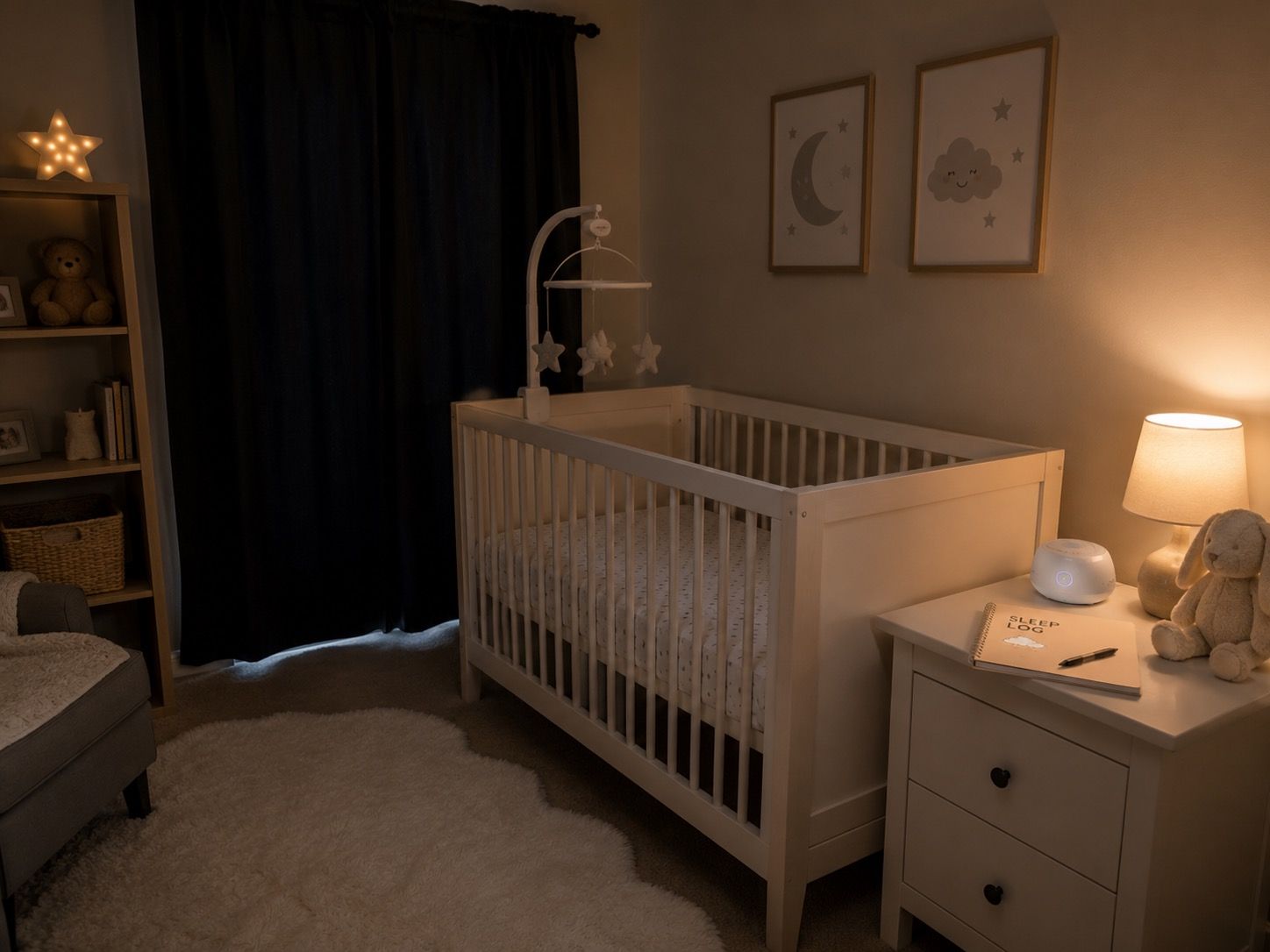
Look at the sleep space Is it dark (blackout), quiet (white noise, with the machine as far from your baby's head as possible), and at a comfortable temperature (68-72°F / 20-22°C)?
Keep bedtime consistent Is it the same order every night (bath, feed, book, lullaby, lay down)?
Get everyone on the same page Do both parents and any caregivers agree on the same method?
How to Make It Stick This Time
Now for the real attempt. Just hold onto these five ideas.
Pick one method and see it all the way through Choose the one that fits your family (Ferber, chair, or fade-out) and keep it consistent for at least 1-2 weeks.
Lay your baby down drowsy but awake If you put them down fully asleep, they may struggle to resettle on their own when they wake. Building that self-settling skill is really the whole point.
Go slow instead of rushing A step-by-step approach relapses far less than an abrupt change.
Brace for a brief rough patch The first few nights may bring harder crying, often called an extinction burst. You can still feed your baby, change a dirty diaper or comfort them if they seem sick, and if the crying doesn't sound like their usual cry, check whether they're unwell.
Do naps and nights together Training nights while rocking for naps breaks the consistency.
When This Happens, Try This
Waking too early at dawn
Check whether bedtime is too early, naps are too long, or light and noise are creeping in. Stretching the last wake window a little can help too.
Waking up over and over at night
See whether a sleep association is at play, like falling asleep by being rocked or fed. Practice laying your baby down drowsy but awake again.
It worked, then fell apart
It may just be a temporary factor like a regression, teething, travel, or illness. Try not to be too hard on yourself; once your baby bounces back, calmly return to your method.
When It's Worth Calling the Doctor
Separate from any training issue, reach out for help in these cases.
- Snoring, apnea, or mouth breathing that has nothing to do with training (but call 911 right away if your baby stops breathing for more than 20 seconds, turns blue, pale or gray, or is limp or hard to wake)
- Severe sleep problems alongside growth or developmental delays
- Recurring night terrors or intense nighttime fear
- Your own sleep deprivation tipping into depression or burnout
Managing Sleep Training with BebeSnap
The key to sleep training really comes down to consistency and good records, and it's hard to keep it all straight in your head, so let BebeSnap help.
- Log bedtimes and wakings so you can actually see the progress
- Analyze nap and night patterns to spot timing or overtiredness issues
- Ask the AI chatbot about sleep training troubles anytime, day or night
Frequently Asked Questions (FAQ)
Q: What is the most common reason sleep training fails?
A: By far it's lack of consistency. Using a different method each day, parents responding differently, or switching methods because a few days were hard all leave the baby more confused. Once you pick a method, stick with it without wavering for at least 1-2 weeks. Wrong timing, overtiredness, and environment problems are other common causes.
Q: When is the best time to start sleep training?
A: It's usually recommended after 4-6 months, since sleep cycles are immature before then and results are harder to achieve. Before retrying, confirm your baby is over 4-6 months and not in a regression or illness such as separation anxiety, teething, travel, or sickness.
Q: My baby suddenly cries harder during sleep training, should I give up?
A: The first few nights may bring harder crying, often called an extinction burst, so it helps to keep your chosen method consistent. Still, you can feed, change or comfort your baby when needed. Check whether teething, hunger or illness is the real cause, and if the cry doesn't sound like your baby's normal cry, they may be unwell.
Q: Why should I lay my baby down drowsy but awake?
A: If you lay them down fully asleep, they may struggle to resettle on their own when they wake during the night. Laying them down drowsy but awake builds their ability to self-settle, which is the key to sleep training success.
References
See Your Baby's Sleep Pattern Emerge
Track sleep and watch wake windows and night stretches appear as clear graphs.
See what the app does firstMedical Disclaimer: This article is for informational purposes only and does not replace professional medical advice. If you have concerns about your baby's health, please consult a pediatrician.
You Might Also Like
Wonder Weeks Calculator: Your Baby's 10 Mental Leaps From the Due Date
Baby Weight Gain Calculator: Grams Per Day From Two Weigh-Ins
Baby Impetigo: Golden Crusts, Antibiotic Treatment, and When Nursery Is Safe Again
Baby Mouth Sores (Stomatitis): Causes, How to Tell Them Apart, and Dehydration Signs
You Might Also Like
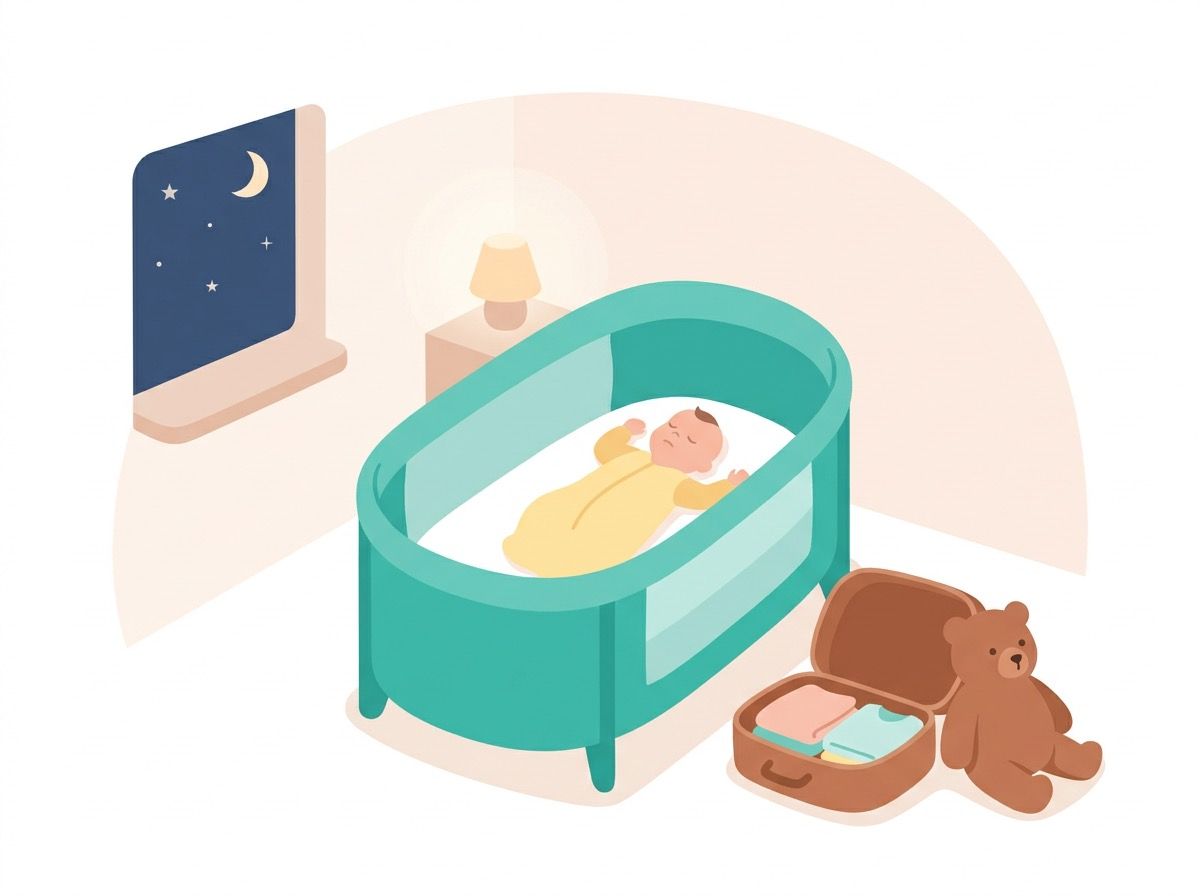
Baby Sleep While Traveling: Settling Them in a New Place and Resetting After
Worried a trip will wreck your baby's sleep? The first night is the hardest, and most babies reset within 3-7 days at home. What to pack, naps on the move, and safe sleep away.
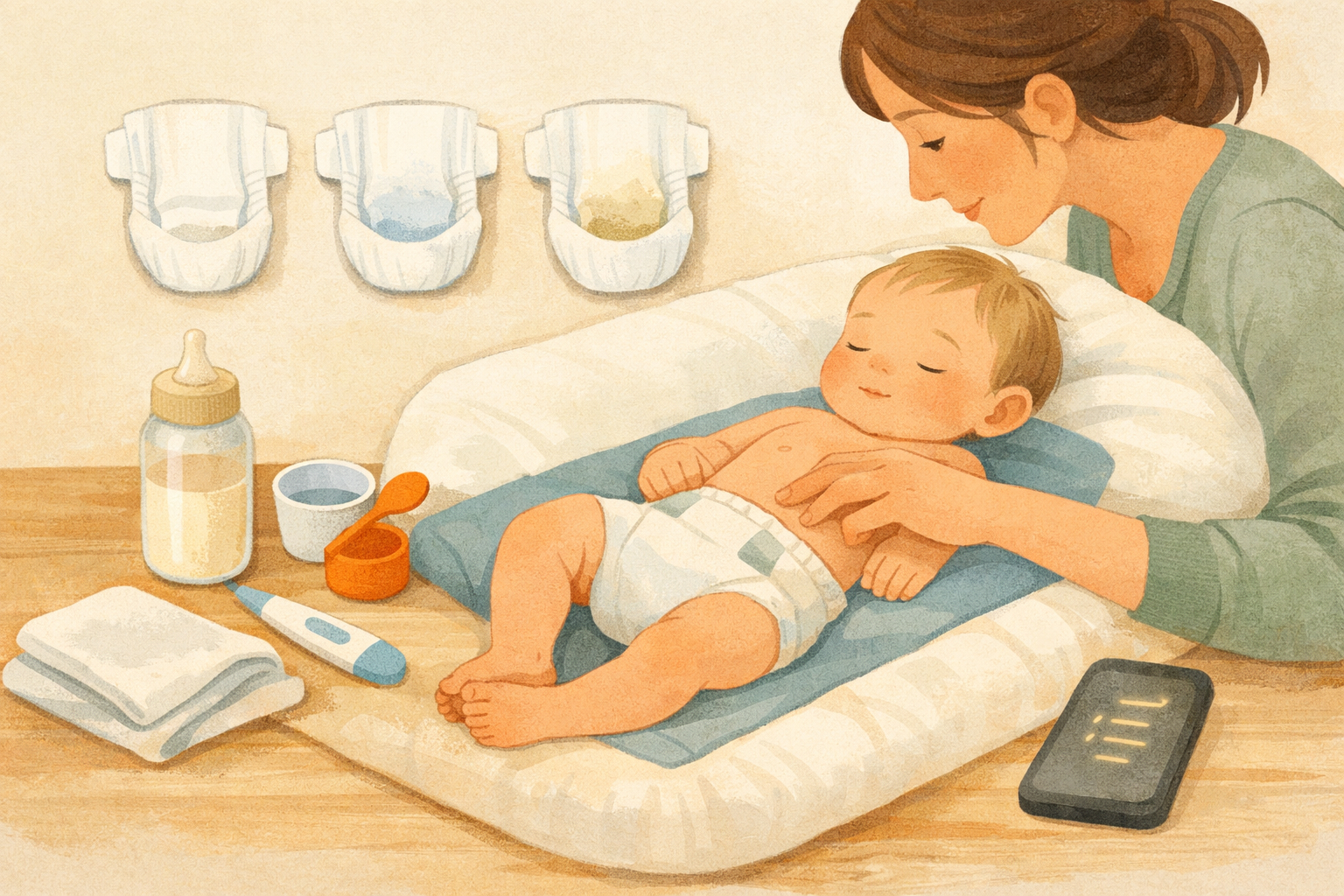
Baby Dehydration Signs After Vomiting or Diarrhea: Wet Diapers, Fluids, and When to Call
A parent guide to baby dehydration signs after vomiting or diarrhea, including how to track wet diapers, fluids, and when home care is no longer enough.

Baby Nap Refusal: Causes and Solutions
Is your baby fighting naps? It may be a mismatched wake window or a nap transition. Learn typical nap ranges by age and how to solve nap refusal.