12-Month & 18-Month Sleep Regression: Causes, Duration & Survival Tips
See Your Baby's Sleep Pattern Emerge
Get Started FreeIs your toddler suddenly waking multiple times a night and refusing naps right around their first birthday? The 12-month and 18-month sleep regressions are two of the most challenging phases parents face, driven by major developmental milestones like walking, talking, and growing independence. The good news: they typically last only 2-6 weeks and will pass with the right approach.
What Is the 12-Month Sleep Regression?
The 12-month sleep regression is a temporary disruption in sleep patterns that typically occurs between 11 and 13 months of age. A baby who was previously sleeping well may suddenly start waking frequently at night, resisting bedtime, and refusing naps.
According to the American Academy of Pediatrics (AAP), separation anxiety that begins in the second half of the first year can cause many nights of disrupted sleep. It is a normal stage of emotional development and usually fades around the second birthday.
Common Signs of the 12-Month Sleep Regression
- Waking 2-3 or more times per night
- Taking 30+ minutes to fall asleep
- Refusing naps or taking short naps (30-40 minutes)
- Increased fussiness and clinginess
- Early morning wakings before 5 AM
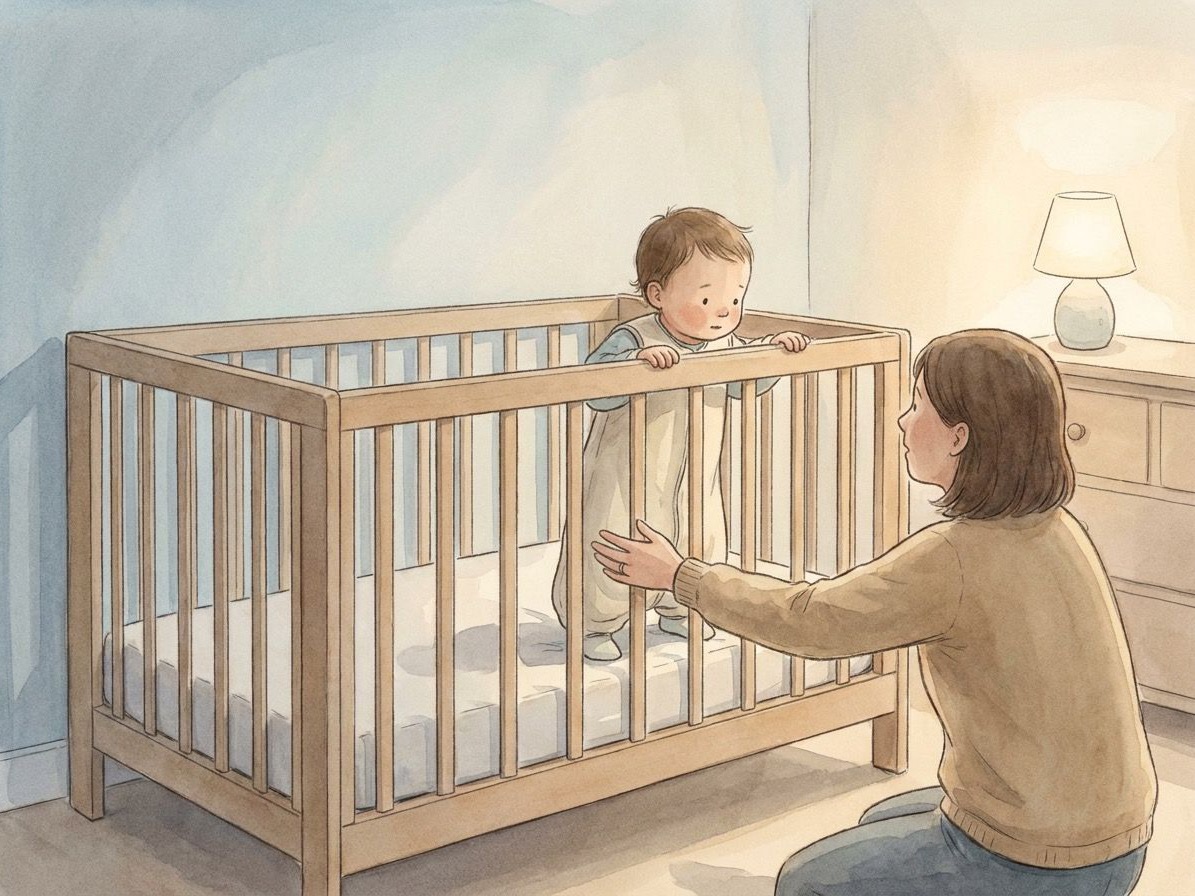
- Standing or attempting to walk in the crib
Causes of the 12-Month Sleep Regression
1. Walking Development
Around 12 months, many babies are taking their first steps. The brain and muscles are working overtime to master this new skill, creating a state of excitement that carries into nighttime. Babies may practice standing or walking in their crib instead of sleeping.
2. Nap Transition Confusion
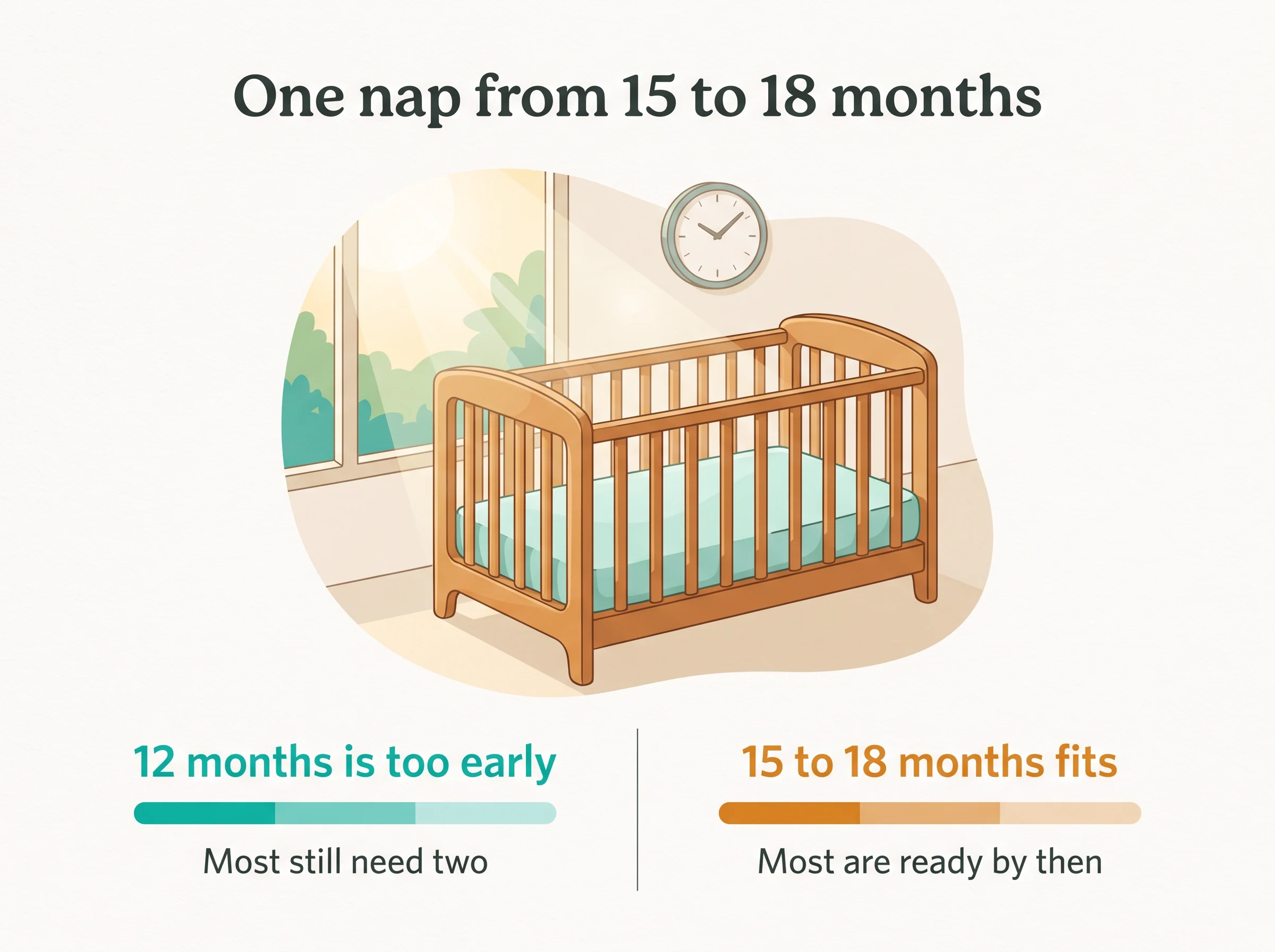
Many parents assume their 12-month-old is ready to drop to one nap, but most children are not ready for this transition until 15-18 months. Dropping a nap too early leads to overtiredness, which paradoxically makes nighttime sleep worse.
💡 If your 12-month-old refuses a nap, don't immediately drop it. Wait 2-3 weeks to see if it's truly a permanent change or just part of the regression.3. Separation Anxiety
As babies come to understand object permanence (knowing that people and things still exist even when out of sight), being apart from you starts to feel worrying. Separation anxiety often becomes noticeable around 9 months, and many toddlers who were fine as babies start at 15 to 18 months. This means they know you're somewhere else when you leave the room, intensifying bedtime resistance and nighttime distress.
4. Cognitive Leaps
At 12 months, babies are learning to understand simple words, point to objects, and grasp cause and effect. This explosion of brain activity can make it harder for them to settle their minds for sleep.
What Is the 18-Month Sleep Regression?
The 18-month sleep regression is often described as the hardest sleep regression. Occurring between 17 and 20 months, it goes beyond simple night waking to include strong resistance, tantrums, and outright defiance at bedtime.
Common Signs of the 18-Month Sleep Regression
- Intense bedtime resistance and refusal to lie down
- Attempting to climb out of the crib
- Waking at night and staying up for an hour or more
- Complete nap refusal (especially the afternoon nap)
- Intense crying and tantrums at bedtime
- Refusing to sleep without a parent present
Causes of the 18-Month Sleep Regression
1. Language Explosion
The period around 18 months is a time of explosive language development. Your toddler's brain is processing new words, phrases, and sentence structures at a rapid pace. This heightened brain activity can make it difficult to wind down for sleep, and some toddlers even practice new words in their cribs at night.
2. Emerging Independence and Willpower
At 18 months, toddlers develop a strong sense of self and autonomy. They want to make their own decisions, and "No!" becomes a favorite word. Going to bed is something a parent tells them to do, so it becomes a natural target for resistance.
3. Molar Eruption
The first molars usually come in from around the first birthday, and the canines around 18 months. Teething discomfort is usually mild, though it can disturb sleep. Fever, diarrhea, or crying that's worse than usual are not signs of teething, so call your pediatrician if you see them.
4. Nap Transition Period
Between 15 and 18 months, most toddlers transition from two naps to one. If this transition is not yet complete or is poorly timed, the resulting overtiredness or undertiredness can disrupt nighttime sleep.
5. Developing Fears and Imagination
At 18 months, toddlers develop greater imaginative capacity, which can lead to new fears of the dark or being alone. Even a child who previously slept independently may suddenly become afraid of their dark room.
12-Month vs. 18-Month Sleep Regression: Key Differences
| Factor | 12-Month Regression | 18-Month Regression |
|---|---|---|
| Typical Age | 11-13 months | 17-20 months |
| Primary Triggers | Walking development, nap transition starts | Language explosion, emerging autonomy |
| Key Behaviors | Standing in crib, nap refusal | Strong resistance, tantrums, crib climbing |
| Separation Anxiety | Often noticeable from about 9 months | Many children start now |
| Teething | First molars | Canines |
| Duration | 2-4 weeks | 2-6 weeks |
| Difficulty Level | Moderate | Most challenging |
How Long Do These Regressions Last?
The 12-month and 18-month sleep regressions are often said to last 2-6 weeks, but that isn't a research-based figure. Night waking from separation anxiety can go on for months and usually eases around age 2 (AAP). How parents respond also makes a difference:
- Consistent response: Recovery in 2-3 weeks
- Inconsistent response: Can extend to 6+ weeks
- New sleep habits formed: Regression may become permanent change
7 Strategies to Survive Sleep Regressions
1. Maintain a Consistent Bedtime Routine
Consistency is the most powerful tool during any sleep regression. Keep your established bedtime routine exactly the same.
- Start bedtime preparation at the same time each night
- Follow a predictable sequence: bath, brush teeth, stories, lullaby
- Dim lights and reduce stimulation 30 minutes before bed
2. Ensure Adequate Daytime Activity
Provide plenty of physical activity during the day, especially opportunities to practice new motor skills like walking and climbing. This reduces the urge to practice at night.
- Get outdoor time for natural light exposure (strengthens circadian rhythm)
- Adjust wake windows appropriately for your child's age
- Transition to calm activities 1-2 hours before bedtime
3. Time the Nap Transition Correctly
Don't rush the transition from two naps to one based on a few days of nap refusal. Refer to an age-appropriate nap schedule and look for these signs that your child is truly ready:
- Consistent refusal of the morning nap for 2+ weeks
- Taking two naps causes a very late bedtime
- Managing well on one nap without becoming overtired
- Age 15 months or older
4. Address Separation Anxiety
- Practice short separations: During the day, briefly leave the room and return to build confidence
- Play peekaboo: Reinforce the concept that you always come back
- Offer a comfort object: After the first birthday, a small lovey or blanket with your scent can provide reassurance. Pick one without buttons, ribbons or loose parts, and keep all soft objects out of the crib until 12 months
- Keep goodbyes brief: A short, calm "Goodnight, see you in the morning" each time
5. Manage Teething Pain
When molars are erupting, proactive pain management can make a big difference:
- Offer cold teething toys before bed
- Gently massage sore gums
- Consult your pediatrician about appropriate pain relief
- Provide plenty of chewing opportunities during the day
6. Optimize the Sleep Environment
Maintain an ideal sleep environment throughout the regression:
- Keep room temperature at 68-72°F (20-22°C)
- If you use a white noise machine, keep it as far from your child's head as possible, on a low setting, and run it for a short time only
- Ensure the room is very dark with blackout curtains
- Check crib safety (especially when babies start standing and climbing)
7. Take Care of Yourself
Sleep regressions are exhausting for parents too. The 18-month regression in particular is known to be the most draining.
- Take turns with your partner for nighttime duty
- Catch up on sleep during naps on weekends
- Remind yourself this phase is temporary
- Don't hesitate to ask for help from family, friends, or professionals
What NOT to Do During a Sleep Regression
1. Don't Overhaul Sleep Habits
- Don't start new sleep training during a regression
- Don't abandon existing sleep training and switch to rocking or co-sleeping
2. Don't Rush the Nap Transition
- Don't drop to one nap at 12 months just because of nap resistance
- Distinguish between regression-related nap refusal and genuine readiness to transition
3. Don't Over-Respond
- Wait 1-2 minutes before responding to nighttime cries
- Avoid turning on bright lights or screens
4. Don't Push Bedtime Later
- "Tiring them out more" is a myth
- Overtiredness actually increases night wakings
5. Don't Use Food as a Sleep Aid
- Offering snacks or milk every time your toddler wakes can create a nighttime feeding habit
How Are the 12- and 18-Month Regressions Different from Earlier Ones?
| Regression | Primary Cause | Key Feature | Duration |
|---|---|---|---|
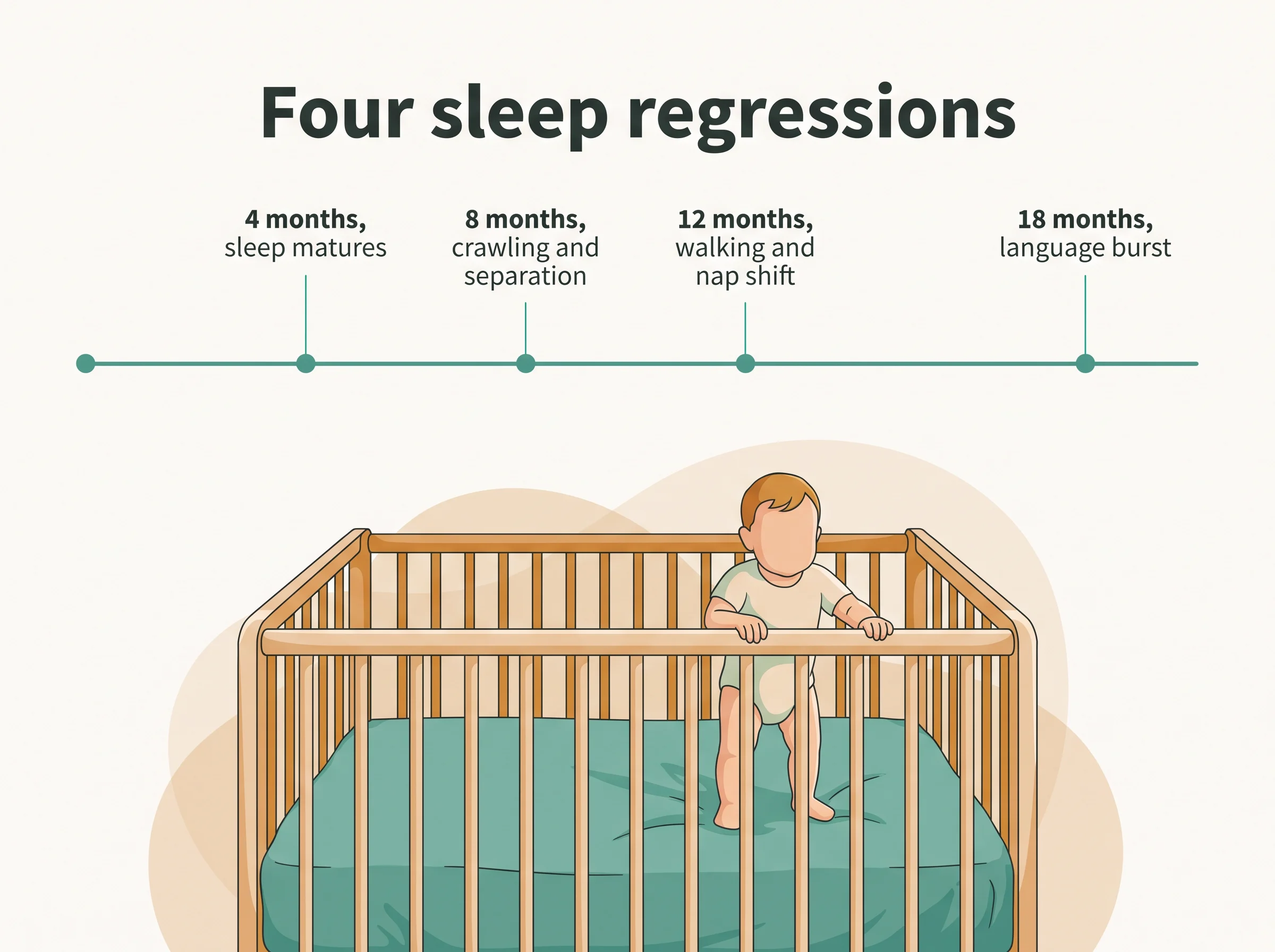
| 4 months | Sleep architecture maturation | Permanent change in sleep cycles | 2-6 weeks (includes permanent changes) |
| 8 months | Crawling, separation anxiety | Practicing crawling at night | 2-6 weeks |
| 12 months | Walking, cognitive leap | Standing in crib, nap refusal | 2-4 weeks |
| 18 months | Language explosion, autonomy | Strong resistance, tantrums | 2-6 weeks |

The 4-month regression involves a permanent change in sleep architecture, while the 12-month and 18-month regressions are temporary disruptions tied to developmental milestones. With consistent responses, they will pass.
When to See a Pediatrician
Consult your child's doctor if:
- The regression lasts longer than 6 weeks
- Your child is inconsolable and cannot be calmed
- Other symptoms are present (fever, loss of appetite, lethargy)
- You notice snoring, mouth breathing, or possible sleep apnea
- Your own sleep deprivation is seriously affecting daily functioning
Call 911 right away if your child is struggling to breathe, stops breathing for more than 20 seconds, turns pale, blue or gray, or is floppy, hard to wake or not responding normally.
Track Sleep Regression Patterns with BebeSnap
Effectively managing a sleep regression starts with accurately tracking and analyzing your child's sleep patterns. BebeSnap makes this process easy and insightful.
- Sleep logging: Automatically record bedtimes, wake times, and night wakings
- Pattern analysis: Identify when a regression begins and when recovery starts
- Nap tracking: Monitor nap frequency and duration to guide transition timing
- AI chatbot: Get personalized advice for your child's specific sleep challenges
Frequently Asked Questions (FAQ)
Q: How long do the 12-month and 18-month sleep regressions last?
A: They are often said to last 2-6 weeks, but that isn't a research-based figure. The AAP explains that night waking from separation anxiety, which starts after about 6 months, can go on for months and usually eases around age 2. A warm, consistent response helps during this time.
Q: Why is the 18-month sleep regression considered the hardest?
A: The 18-month regression goes beyond simple night waking to include strong resistance and tantrums. It coincides with an explosion of language development that keeps the brain active, a strong emerging sense of autonomy that fuels bedtime defiance, teething discomfort, and new fears of the dark and being alone.
Q: If my 12-month-old refuses a nap, should I drop to one nap right away?
A: No. Most children aren't ready for the one-nap transition until 15-18 months. Dropping a nap too early causes overtiredness that actually worsens nighttime sleep, so wait 2-3 weeks before deciding. Signs of readiness include consistently refusing the morning nap for 2+ weeks and being at least 15 months old.
Q: When should I see a doctor about a sleep regression?
A: Consult your pediatrician if the regression lasts longer than 6 weeks, your child is inconsolable, fever or loss of appetite appears, or you notice snoring or possible sleep apnea. Call 911 right away if your child struggles to breathe, stops breathing for more than 20 seconds, turns pale, blue or gray, or is floppy or hard to wake.
References
See Your Baby's Sleep Pattern Emerge
Track sleep and watch wake windows and night stretches appear as clear graphs.
See what the app does firstMedical Disclaimer: This article is for informational purposes only and does not replace professional medical advice. If you have concerns about your baby's health, please consult a pediatrician.
You Might Also Like
Wonder Weeks Calculator: Your Baby's 10 Mental Leaps From the Due Date
Baby Weight Gain Calculator: Grams Per Day From Two Weigh-Ins
Baby Impetigo: Golden Crusts, Antibiotic Treatment, and When Nursery Is Safe Again
Baby Mouth Sores (Stomatitis): Causes, How to Tell Them Apart, and Dehydration Signs
You Might Also Like
Baby Sleep While Traveling: Settling Them in a New Place and Resetting After
Worried a trip will wreck your baby's sleep? The first night is the hardest, and most babies reset within 3-7 days at home. What to pack, naps on the move, and safe sleep away.

2-Month-Old Daily Schedule: Feeding Intervals, Sleep & a Sample Timetable
What does a 2-month-old's day look like? Feeds every 2.5-3.5 hours, 14-17 hours of total sleep, and 4-5 naps. Use our real sample timetable to shape your baby's daily rhythm.

Baby Sleep Behaviors: Snoring, Sleep Talking & Night Terrors - When to Worry
Is your baby snoring, sleep talking, or screaming at night? Unusual sleep behaviors are common. Learn normal vs. concerning signs, with advice from the AAP.