Creating a Baby Bedtime Routine: Help Baby Fall Asleep Independently

See Your Baby's Sleep Pattern Emerge
Get Started FreeIs bedtime a nightly struggle at your house? A consistent bedtime routine helps your baby recognize when it's time to sleep and improves overall sleep quality. From the American Academy of Pediatrics(AAP) recommended "Brush, Book, Bed" routine to age-specific approaches, we'll cover everything you need to know.
Why Bedtime Routines Matter
| Benefit | Explanation |
|---|---|
| Creates Sleep Cues | Repeated routines signal the brain that sleep time is approaching |
| Reduces Cortisol | Predictable activities lower stress hormones |
| Promotes Melatonin | Dim lighting and calm activities encourage sleep hormone production |
| Strengthens Bonding | One-on-one time provides emotional security |
| Develops Self-Regulation | Baby learns to self-soothe and fall asleep independently |
Research from the Sleep Foundation shows that babies with consistent bedtime routines fall asleep faster, wake less frequently at night, and sleep longer overall.
Age-Specific Bedtime Routine Guide
Newborns (0-3 Months)
This is a "practice" stage for bedtime routines. Keep it short and simple.
| Step | Activity | Duration |
|---|---|---|
| 1 | Dim the lights | Immediate |
| 2 | Diaper change | 2-3 min |
| 3 | Swaddle | 1-2 min |
| 4 | Feed or pacifier | 10-15 min |
| 5 | Gentle rocking + shushing | 5 min |

Infants (4-6 Months)
A great time to start sleep training. Consider adding bath time to your routine.
| Step | Activity | Duration |
|---|---|---|
| 1 | Bath | 5-10 min |
| 2 | Massage + lotion | 3-5 min |
| 3 | Put on pajamas | 2-3 min |
| 4 | Feeding | 15-20 min |
| 5 | Lullaby or book | 5 min |
| 6 | Put in crib, say goodnight | 1-2 min |
Older Infants (7-12 Months)
At this age, babies anticipate and enjoy their routine. Emphasize reading time.
| Step | Activity | Duration |
|---|---|---|
| 1 | Bath | 10 min |
| 2 | Lotion + pajamas | 5 min |
| 3 | Brush teeth | 1-2 min |
| 4 | Read 2-3 books | 10 min |
| 5 | Feeding or snack | 10 min |
| 6 | Lullaby + cuddles | 3-5 min |
| 7 | Put in crib, goodnight | 1 min |
AAP Recommended: Brush, Book, Bed Routine
The American Academy of Pediatrics(AAP) recommends this simple and effective 3-step routine.
- Brush: Start tooth brushing habits when teeth appear
- Book: Read 1-2 books every night
- Bed: Place baby in crib drowsy but awake
Key Principles for Effective Bedtime Routines
1. Maintain Consistency
- Start at the same time every night (within ±15 minutes)
- Follow the same sequence
- Keep routine consistent even when caregivers change
2. Keep Appropriate Length
| Age | Recommended Duration |
|---|---|
| 0-3 months | 15-20 minutes |
| 4-6 months | 20-30 minutes |
| 7-12 months | 30-45 minutes |
| 12+ months | 30-45 minutes |
3. Choose Calming Activities
Good activities:
- Bath (60-90 minutes before bed)
- Massage
- Reading books
- Singing lullabies
- Quiet conversation
Avoid:
- Roughhousing
- TV or smartphone screens
- Activities in bright lighting
- Exciting games
4. Create the Right Sleep Environment
- Dim lights starting 1 hour before bed
- Consider using white noise
- Keep room temperature at 68-72°F (20-22°C)
- Use blackout curtains
The Science of Bath Timing
According to Cleveland Clinic, the body temperature change after bathing induces sleepiness.
- Warm bath temporarily raises body temperature
- As temperature drops afterward, drowsiness occurs
- Optimal timing: 60-90 minutes before bed
Common Bedtime Routine Mistakes to Avoid
- Letting baby fall asleep while feeding
- Creates feed-to-sleep association
- Baby will need feeding to resettle at every night waking
- Screen exposure
- Blue light suppresses melatonin production
- Eliminate all screens 1 hour before bed
- Exciting activities during routine
- Tickling, lifting high, etc.
- Adrenaline release makes it harder to fall asleep
- Starting too late
- Overtired babies actually have harder time falling asleep
- Begin routine when you see sleepy cues
- Inconsistent sequence
- Predictability is essential
- Changing order disrupts sleep cue formation
Bedtime Routines While Traveling
Maintain core elements even when environment changes.
Minimum to maintain while traveling:
- Read 1 book
- Sing a lullaby
- Say goodnight
Items to bring:
- Familiar sleep sack or blanket
- Favorite 1-2 books
- White noise machine (or app)
Expected Adjustment Periods
| Situation | Adjustment Period | Tips |
|---|---|---|
| Starting new routine | 2-3 weeks | Be patient and repeat daily |
| Changing routine | 1-2 weeks | Make changes gradually |
| Post-travel recovery | 3-5 days | Return to normal routine immediately |
| After sleep regression | 1-2 weeks | Be extra consistent with routine |
Managing Bedtime Routines with BebeSnap
BebeSnap helps you systematically manage your baby's bedtime routine.
- Sleep tracking: Log bedtime, wake time, and night wakings
- Routine timer: Manage duration of each activity
- Pattern analysis: See which routines work best with data
- AI sleep advice: Get personalized recommendations for your baby
👉 Learn more about BebeSnap Sleep Records
Frequently Asked Questions (FAQ)
Q: What bedtime routine does the AAP recommend?
A: The American Academy of Pediatrics recommends the simple, effective 3-step "Brush, Book, Bed" routine. Brush your baby's teeth once they appear, read 1-2 books every night, and place your baby in the crib while they're drowsy but awake.
Q: Why should I put my baby down drowsy but awake?
A: "Drowsy but awake" is key. If you put your baby down fully asleep, they'll need your help to resettle every time they wake at night, making bedtime harder. Putting them down awake helps them develop self-soothing skills so they can fall asleep independently.
Q: How long before bedtime should I give a bath?
A: The optimal timing is 60-90 minutes before bed. A warm bath temporarily raises body temperature, and as it drops afterward, drowsiness sets in. If daily baths feel overwhelming, you can bathe 2-3 times a week and use a warm washcloth on the other nights.
Q: How long does it take to adjust to a new bedtime routine?
A: When starting a new routine, it usually takes about 2-3 weeks. It's important to start at the same time each night (within ±15 minutes), follow the same sequence, and repeat patiently. After a sleep regression it takes 1-2 weeks, and returning from travel takes about 3-5 days.
References:
See Your Baby's Sleep Pattern Emerge
Track sleep and watch wake windows and night stretches appear as clear graphs.
See what the app does firstMedical Disclaimer: This article is for informational purposes only and does not replace professional medical advice. If you have concerns about your baby's health, please consult a pediatrician.
You Might Also Like
Wonder Weeks Calculator: Your Baby's 10 Mental Leaps From the Due Date
Baby Weight Gain Calculator: Grams Per Day From Two Weigh-Ins
Baby Impetigo: Golden Crusts, Antibiotic Treatment, and When Nursery Is Safe Again
Baby Mouth Sores (Stomatitis): Causes, How to Tell Them Apart, and Dehydration Signs
You Might Also Like
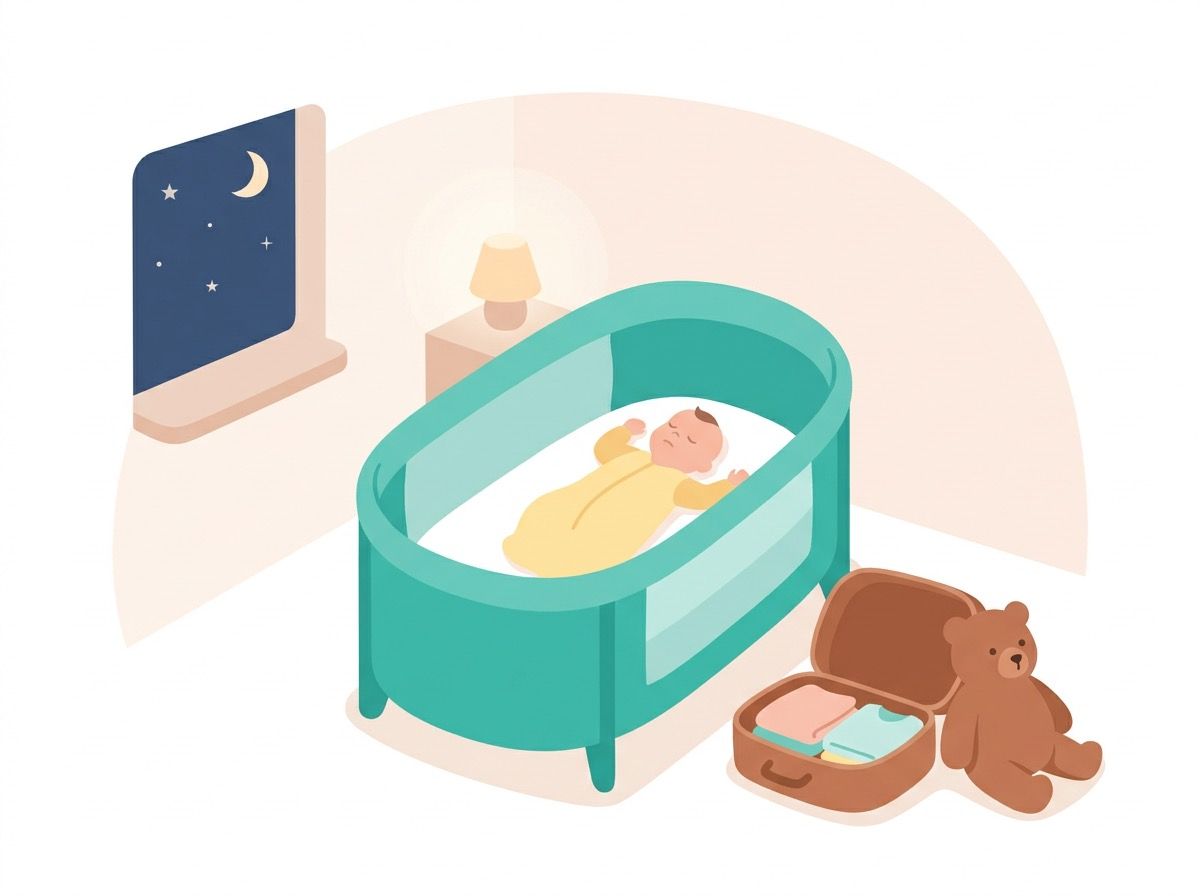
Baby Sleep While Traveling: Settling Them in a New Place and Resetting After
Worried a trip will wreck your baby's sleep? The first night is the hardest, and most babies reset within 3-7 days at home. What to pack, naps on the move, and safe sleep away.
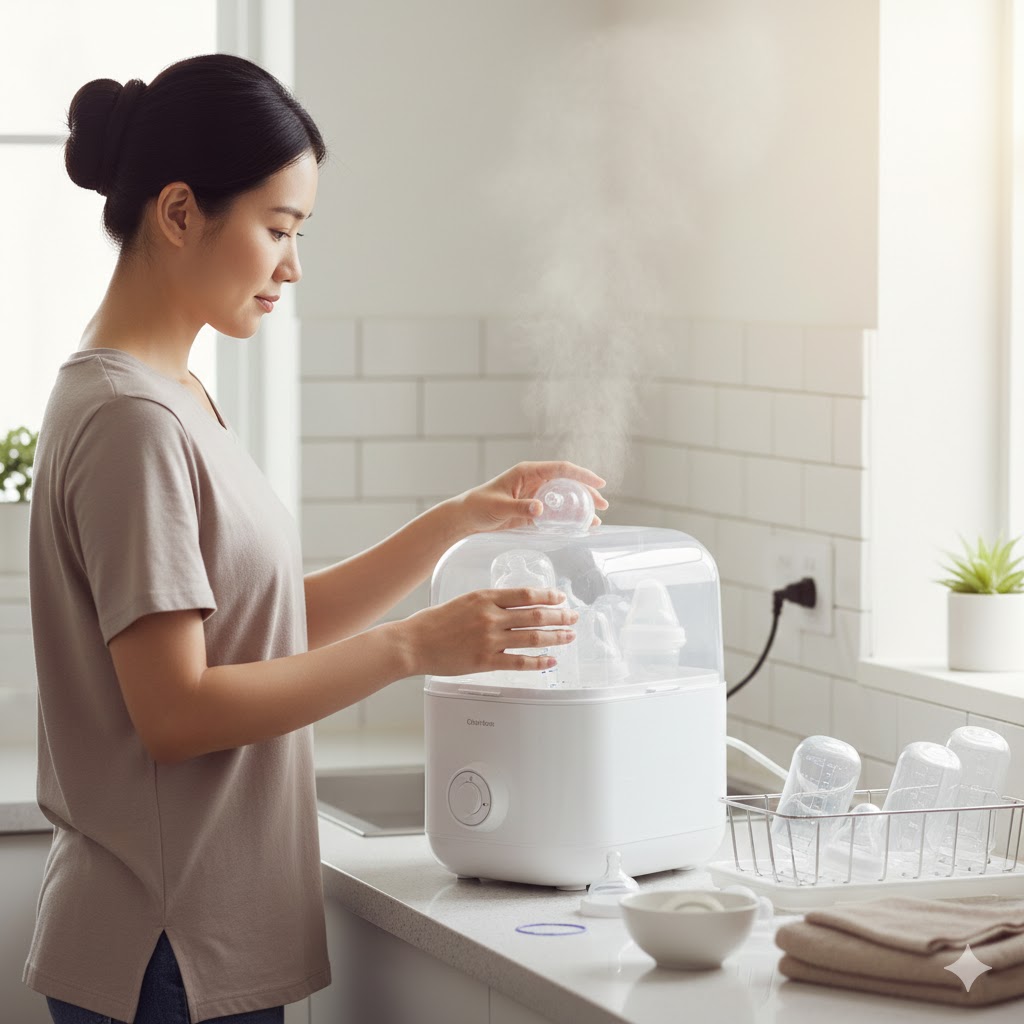
Baby Bottle Sterilization Guide | Boiling Time, When to Stop & Best Methods
How long should you sterilize baby bottles, and when can you stop? This guide answers the most common questions from new parents and covers boiling, steam, UV, and microwave sterilization.
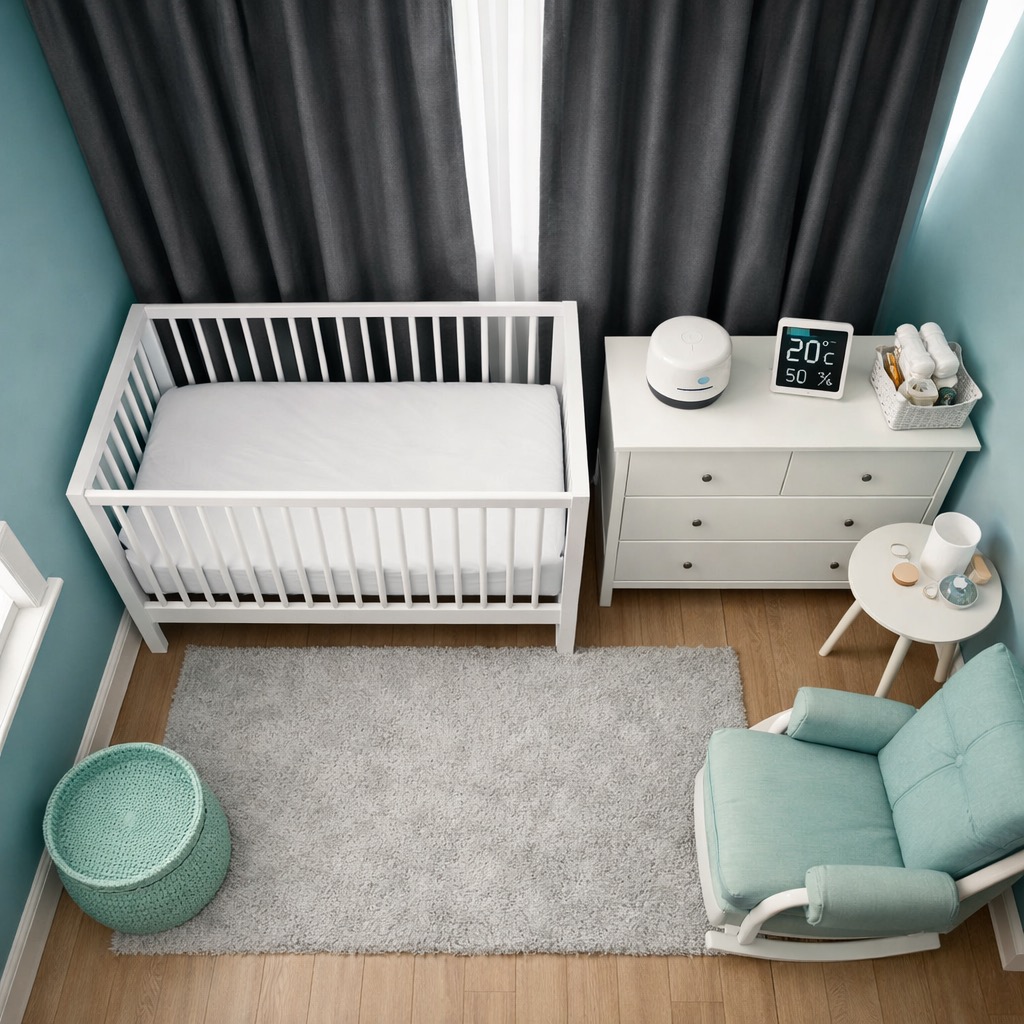
Baby Sleep Environment Guide: Ideal Temperature, Humidity & Lighting
Baby tossing and turning at night? Learn AAP-recommended sleep settings: temperature (68-72°F), humidity (40-60%), and lighting tips.