Baby Sleep Environment Guide: Ideal Temperature, Humidity & Lighting
See Your Baby's Sleep Pattern Emerge
Get Started FreeIs your baby tossing and turning or waking frequently at night? The sleep environment might be the problem. From temperature and humidity to lighting and sound, we'll show you how to create the optimal sleep environment based on American Academy of Pediatrics(AAP) safe sleep guidelines.
Optimal Sleep Environment Checklist
| Factor | Recommended Range | Importance |
|---|---|---|
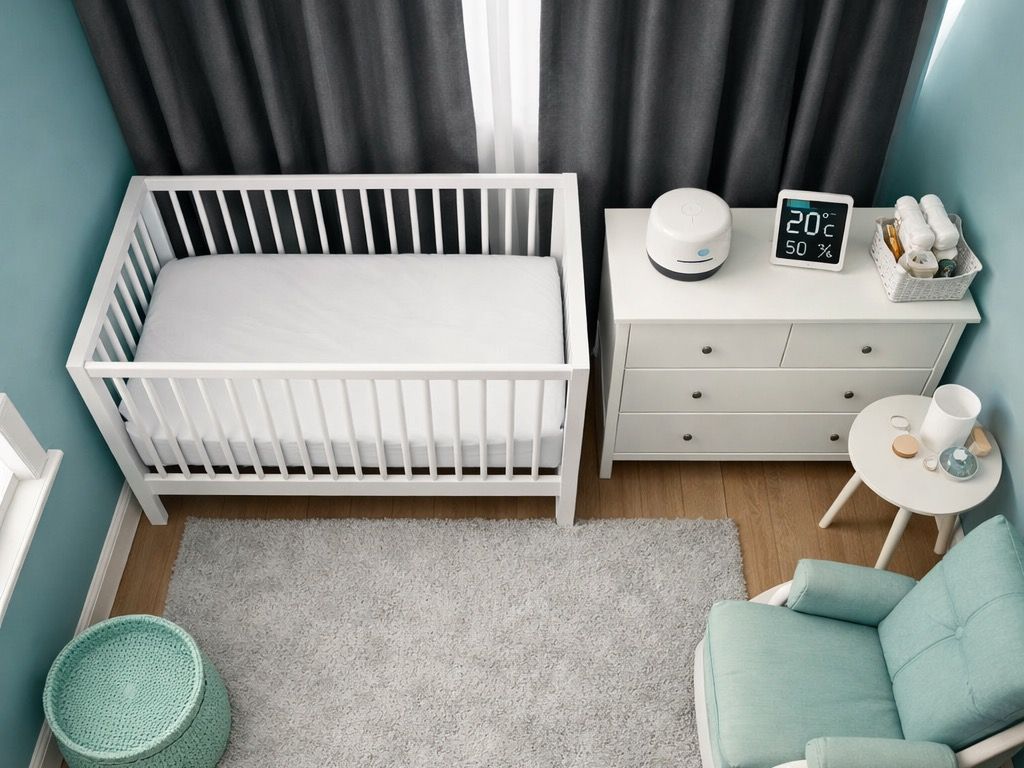
| Room Temperature | 68-72°F (20-22°C) | Essential |
| Humidity | 40-60% | Recommended |
| Lighting | Complete darkness | Essential |
| Sound | White noise 50-65dB | Recommended |
| Bedding | Firm mattress + sleep sack | Essential |
1. Temperature Management: Preventing Overheating is Key
Why Does Temperature Matter?
Babies have immature thermoregulation systems, making them highly sensitive to environmental temperatures. Overheating is a known risk factor for Sudden Infant Death Syndrome(SIDS).
AAP Recommended Temperature
The American Academy of Pediatrics(AAP) recommends keeping baby's room at 68-72°F (20-22°C). However, more important than exact numbers is ensuring your baby doesn't overheat.
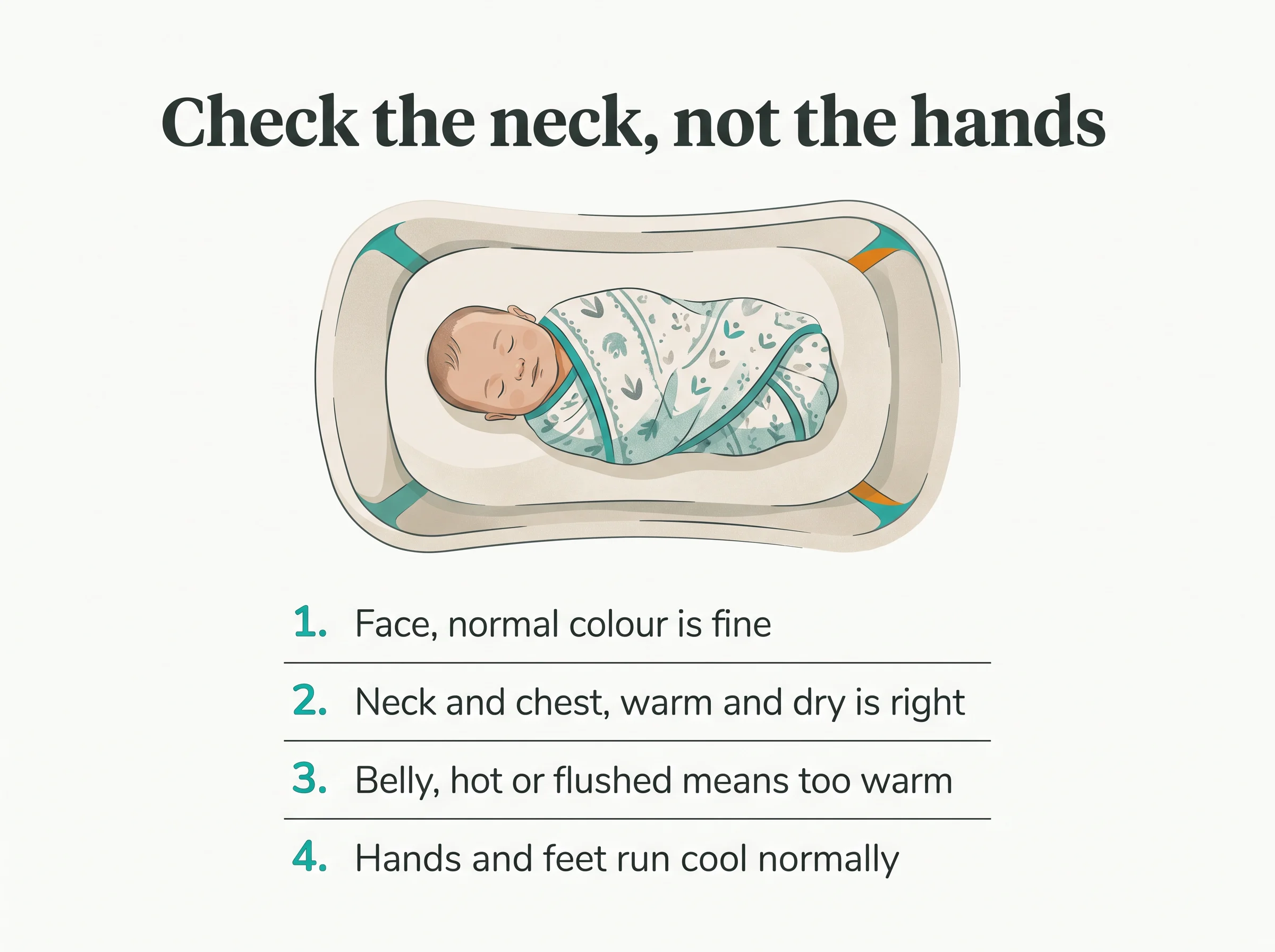
💡 AAP guideline: Dress your baby in no more than one additional layer than what an adult would need to be comfortable.How to Check if Baby's Temperature is Right
| Body Part | Optimal State | Overheating Signs |
|---|---|---|
| Back of neck/Chest | Warm and dry | Damp or sweaty |
| Tummy | Warm | Hot or flushed |
| Hands/Feet | May be slightly cool (normal) | - |
| Face | Normal color | Flushed red |

Seasonal Temperature Management
Summer:
- Keep AC airflow away from baby
- Ceiling fans recommended (AAP research shows reduced SIDS risk)
- Use 0.5-1 TOG sleep sacks
Winter:
- Avoid overheating from heaters
- Use sleep sacks instead of thick blankets
- Choose 2.5+ TOG sleep sacks
- Never use heating pads or electric blankets
2. Humidity Management: Key to Respiratory Health
Optimal Humidity Range
The ideal humidity for baby's room is 40-60%.
| Humidity | Condition | Effects |
|---|---|---|
| Below 30% | Too dry | Dry skin, congestion, nasal irritation |
| 40-60% | Optimal | Best respiratory health |
| Above 60% | Too humid | Mold, bacteria growth, breathing issues |
How to Adjust Humidity
When humidity is low:
- Use a humidifier (ultrasonic or evaporative)
- Clean humidifier daily, change water daily
- Keep at least 3 feet from crib
When humidity is high:
- Use a dehumidifier
- Ventilate frequently
- Don't dry wet laundry in the room
3. Lighting Management: Darker is Better
How Light Affects Sleep
Light suppresses melatonin (sleep hormone) production. The darker the room, the faster and longer your baby will sleep.
Ideal Lighting Environment
Nighttime sleep:
- Complete blackout recommended
- So dark you can't see your hand
- Use blackout curtains or blinds
Naps:
- Doesn't need to be pitch black but should be dark
- Especially important after 4 months
Feeding/Diapers:
- Use red or orange light
- Avoid white or blue light (causes alertness)
- Keep brightness minimal
Creating a Blackout Environment
- Blackout curtains: Must cover sides and top
- Blackout blinds: Ensure no light gaps
- Travel blackout: Portable blackout tents or shades
- Electronics: Cover charger lights and indicator LEDs with tape
4. Sound Management: The Magic of White Noise
Why is White Noise Effective?
The womb environment has constant noise at about 70-80dB. Sudden silence can actually make babies anxious.
White Noise Usage Guide
| Factor | Recommendation |
|---|---|
| Volume | 50-65dB (about shower level) |
| Distance | At least 6 feet from crib |
| Type | Continuous sounds (rain, fan) |
| Duration | All night OK (maintain consistency) |
Effective White Noise Types
Good white noise:
- Rain sounds
- Ocean waves
- Fan/AC sounds
- Heartbeat sounds (especially effective for newborns)
Sounds to avoid:
- Music (rhythm changes cause alertness)
- Irregular nature sounds like birdsong or thunder
- TV sounds
5. Safe Bedding Environment (AAP Guidelines)
Essential Principle: ABCs of Safe Sleep
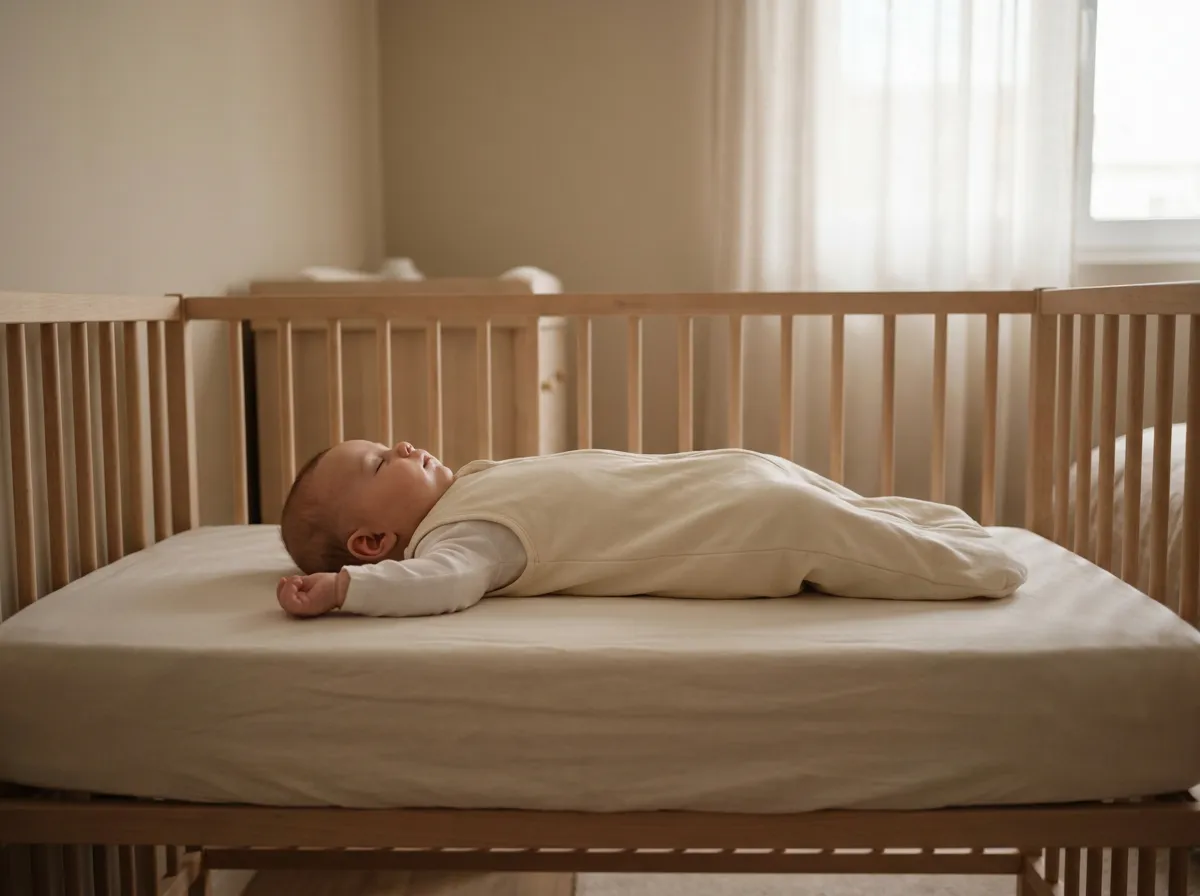
A - Alone: Baby sleeps alone B - Back: On their back C - Crib: In a safe sleep space
AAP Safe Sleep Recommendations
| Item | Recommended | Prohibited |
|---|---|---|
| Mattress | Firm and flat | Soft mattresses, toppers |
| Sheets | Fitted sheet only | Loose sheets, blankets |
| Warmth | Sleep sack/Wearable blanket | Quilts, blankets, pillows |
| In crib | Keep empty | Bumpers, toys, cushions |
| Head | Keep uncovered | Hats, hoods |
Sleep Sack Selection Guide
| Room Temperature | Recommended TOG | Baby's Clothing |
|---|---|---|
| 75°F+ (24°C+) | 0.5 TOG or less | Diaper only or short-sleeve bodysuit |
| 72-75°F (22-24°C) | 1.0 TOG | Short-sleeve bodysuit |
| 68-72°F (20-22°C) | 1.5-2.0 TOG | Long-sleeve bodysuit |
| 64-68°F (18-20°C) | 2.5 TOG | Long-sleeve bodysuit + pajamas |
| Below 64°F (18°C) | 3.0+ TOG | Long-sleeve bodysuit + pajamas |
6. Air Quality Management
Importance of Ventilation
- Ventilate 2-3 times daily (5-10 minutes each)
- Use air purifier on high pollution days
- Ventilate before sleep, then close door
Things to Avoid
- Air fresheners, candles, incense
- Cigarette smoke (including third-hand smoke)
- Mold, dust
- Keep pets away from the crib
Age-Specific Sleep Environment Adjustments
| Age | Temperature | Blackout | White Noise | Warmth |
|---|---|---|---|---|
| 0-3 months | 68-72°F | Night: blackout / Nap: some light OK | Highly recommended | Swaddle → Sleep sack |
| 4-6 months | 68-72°F | Blackout for both | Recommended | Sleep sack |
| 7-12 months | 66-70°F | Blackout | Optional (continue if established) | Sleep sack |
Recreating Sleep Environment While Traveling
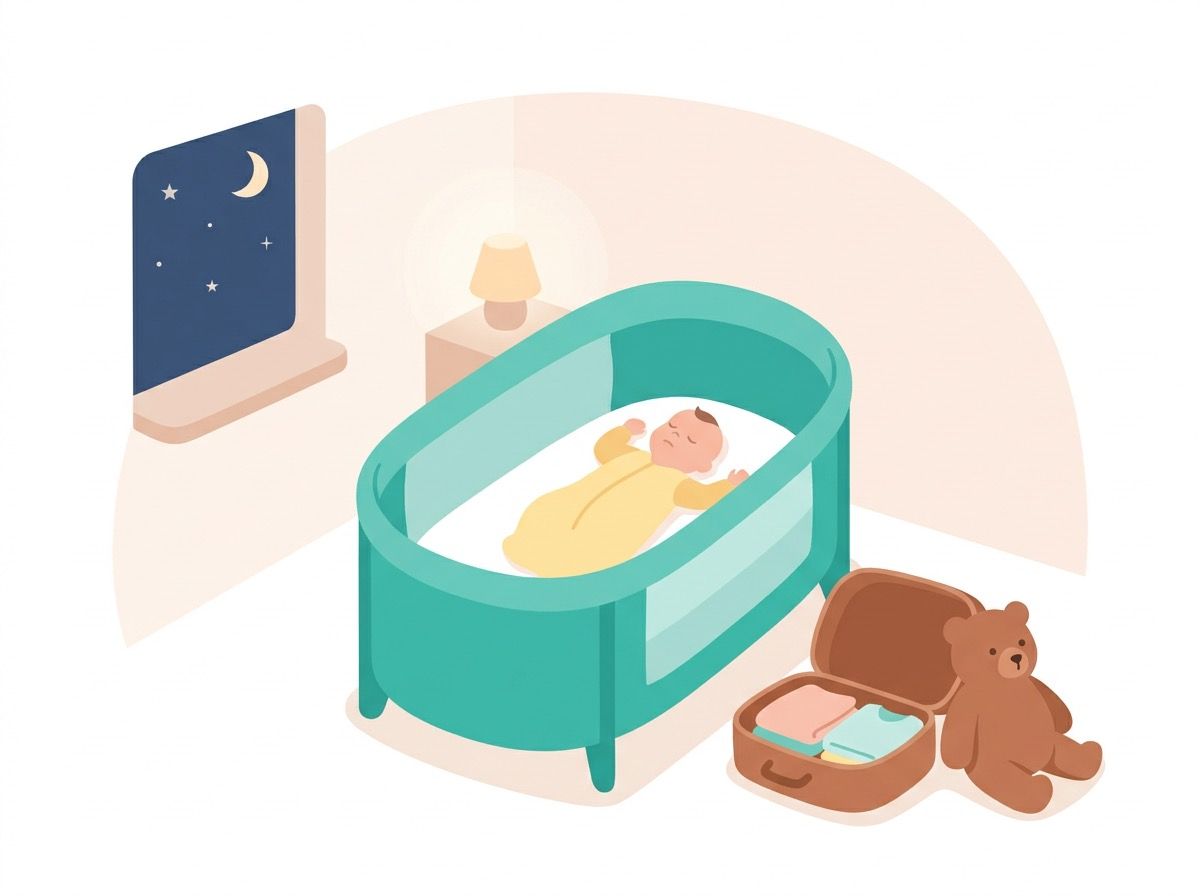
Creating a similar environment helps baby sleep well in unfamiliar places.
Things to bring:
- Portable white noise machine (app works too)
- Portable blackout (stick-on type)
- Familiar sleep sack
- Travel crib (optional)
Managing Sleep Environment with BebeSnap
BebeSnap app helps you systematically manage your baby's sleep environment.
- Sleep tracking: Understand correlation between temperature, conditions, and sleep quality
- Pattern analysis: See which environments produce best sleep through data
- AI advice: Get personalized sleep environment recommendations
- Sleep journal: Track sleep changes with environmental changes
👉 Learn more about BebeSnap Sleep Records
Frequently Asked Questions (FAQ)
Q: What is the ideal room temperature for a baby?
A: The American Academy of Pediatrics (AAP) recommends keeping baby's room at 68-72°F (20-22°C). More important than exact numbers is preventing overheating, which is a risk factor for SIDS. A good rule is to dress your baby in no more than one additional layer than what an adult would need to be comfortable.
Q: My baby's hands and feet feel cold, should I add more layers?
A: No, don't add layers just because the hands and feet feel cold. Due to circulation patterns, it's normal for a baby's extremities to be cooler. To check if the temperature is right, feel the back of the neck and chest. Warm and dry means just right; damp or sweaty is a sign of overheating.
Q: How loud should white noise be and where should I place it?
A: Keep the volume at 50-65dB (about shower level) and place the machine at least 6 feet (2m) from the crib. The AAP recommends setting volume below maximum. Continuous sounds like rain or ocean waves work best, while irregular sounds like music or birdsong should be avoided.
Q: What kind of light is best for nighttime feeds?
A: Red or orange light is best. Red light doesn't interfere with melatonin production, making it ideal for nighttime feeds. Avoid white or blue light since they cause alertness, and keep the brightness as low as possible.
References:
See Your Baby's Sleep Pattern Emerge
Track sleep and watch wake windows and night stretches appear as clear graphs.
See what the app does firstMedical Disclaimer: This article is for informational purposes only and does not replace professional medical advice. If you have concerns about your baby's health, please consult a pediatrician.
You Might Also Like
Wonder Weeks Calculator: Your Baby's 10 Mental Leaps From the Due Date
Baby Weight Gain Calculator: Grams Per Day From Two Weigh-Ins
Baby Impetigo: Golden Crusts, Antibiotic Treatment, and When Nursery Is Safe Again
Baby Mouth Sores (Stomatitis): Causes, How to Tell Them Apart, and Dehydration Signs
You Might Also Like
Baby Sleep While Traveling: Settling Them in a New Place and Resetting After
Worried a trip will wreck your baby's sleep? The first night is the hardest, and most babies reset within 3-7 days at home. What to pack, naps on the move, and safe sleep away.
How to Get Baby to Sleep Through the Night: Night Weaning & Tips
When will my baby sleep through the night? Most babies can by 4-6 months. Learn about night weaning and tips to help.
White Noise for Baby Sleep: Safe Volume Levels & How to Use
Does white noise really help babies sleep? Learn AAP-recommended safe volume (under 50dB), distance, and usage time.