Nipple Bleb (Milk Blister): Why You Shouldn't Pop It and What to Do Instead
Stop Trying to Remember Feed Times
Get Started FreeIf one spot on your nipple hurts with a sharp, stabbing pain during feeds and you can see a small white dot there, you may have a nipple bleb. Plenty of advice online tells you to pop it with a sterilized needle, but current international guidance says the opposite. A bleb is not a surface blister; it is inflammation inside the milk duct showing up at the opening, so popping it leaves a wound while the inflammation stays. Here's what causes blebs, what to avoid, what to do at home, and when to call your provider.
What Is a Nipple Bleb?
It's a small white, clear, or yellow dot on the surface of your nipple. It blocks one of the tiny nipple pores that milk flows through, which causes sharp or shooting pain during and after feeding.
The most important thing to understand is that the location fools you. It looks like something sitting on the surface, but it is actually inflammatory material from inside the duct that has worked its way out and lodged at the opening. Cleveland Clinic describes blebs as "a sign of inflammation in your milk ducts."
💡 The visible dot is the result, not the cause. That's why removing the dot alone doesn't stop the pain.What Causes Them
Nearly every cause comes back to an imbalance between milk made and milk removed.
1. Shallow latch When your baby latches onto the nipple tip only, milk doesn't drain well and the duct openings get compressed. If your nipple comes out flattened or creased like a lipstick tip after a feed, that's a sign of a shallow latch.
2. Oversupply When you make more than your baby takes, ducts stay congested and inflammation sets in more easily.
3. Poorly fitted pump flange A flange that's too small or too large creates repeated friction on the nipple. If you pump often, start your troubleshooting here.
4. External pressure Tight bras, always sleeping on the same side, and carrier straps across the breast all contribute.
⛔ Three Things Not to Do
This is the most important section. International guidance explicitly warns against all three.
1. Poking or popping it with a needle This is the most widespread bad advice. Cleveland Clinic states plainly that you shouldn't pick at them, poke them with a needle, or try to slough them off. A bleb is only the exit point of deeper inflammation, so popping it leaves the inflammation intact and an open wound raises your risk of bacteria entering and mastitis developing.
2. Applying gentian violet or harsh antiseptics These damage nipple skin and make things worse.
3. Aggressive rubbing or squeezing Pressing hard to force something out swells the tissue and narrows the duct further.
What Changed in 2022: Ice, Not Heat
The Academy of Breastfeeding Medicine published Clinical Protocol #36 in 2022, and it reset the conventional wisdom in two ways.
One is that blocked ducts, blebs, mastitis, and abscesses are no longer treated as separate conditions. They are now understood as different points along a single inflammation spectrum. That shifted treatment away from "get rid of the bleb" toward calming the inflammation itself.
The other is that ice replaced heat. Warmth increases blood flow, which increases swelling, and swollen tissue compresses the duct even more: a feedback loop.
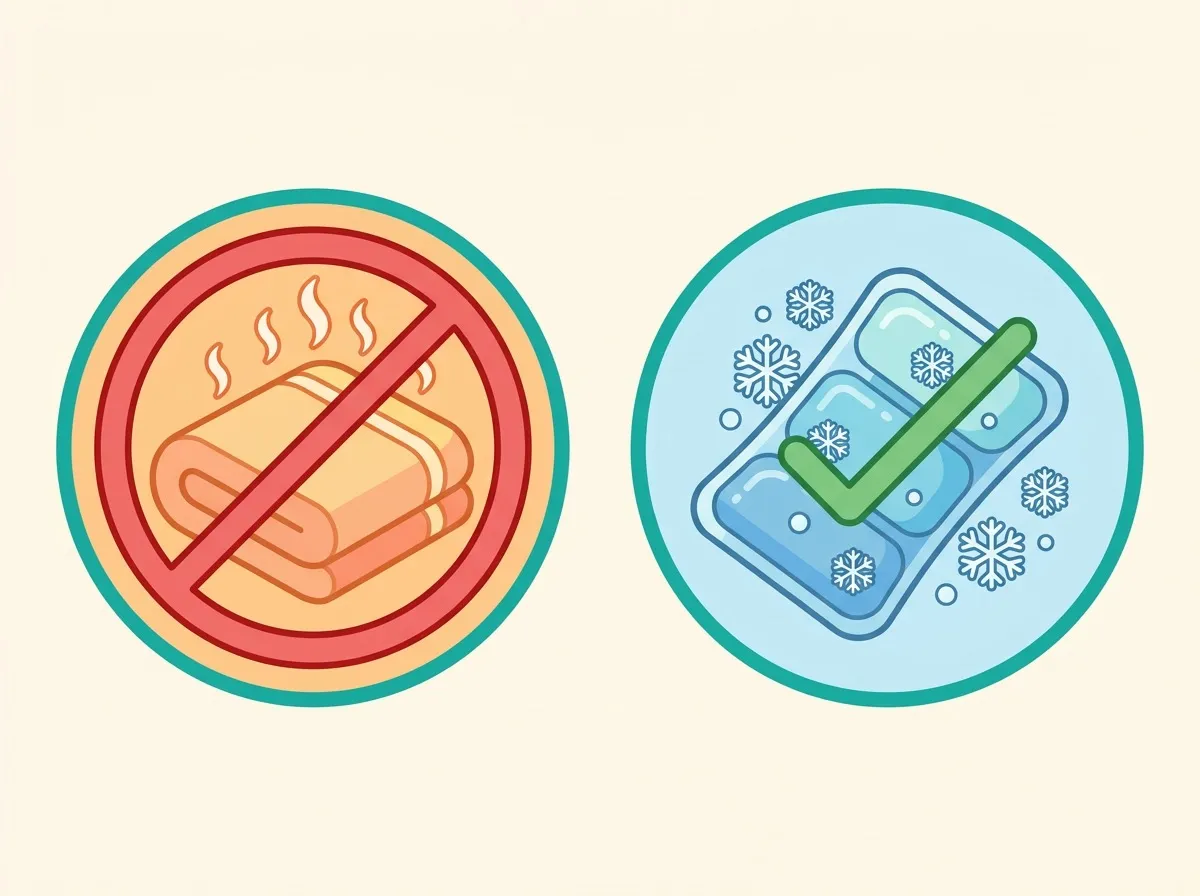
The recommended approach is summarized as BAIT.
| Letter | Means | In practice |
|---|---|---|
| Breast rest | Rest the breast | Stop excessive pumping and massage |
| Advil | Ibuprofen | Anti-inflammatory, compatible with breastfeeding |
| Ice | Cold compress | 10-15 minutes after feeds, not heat |
| Tylenol | Acetaminophen | For pain control |
What to Do at Home
Fix the latch first Make sure your baby takes in areola, not just the nipple. A shallow latch is the root cause often enough that blebs keep coming back if you skip this step.
Rotate feeding positions Alternating cradle, football, and side-lying positions drains different parts of the breast.
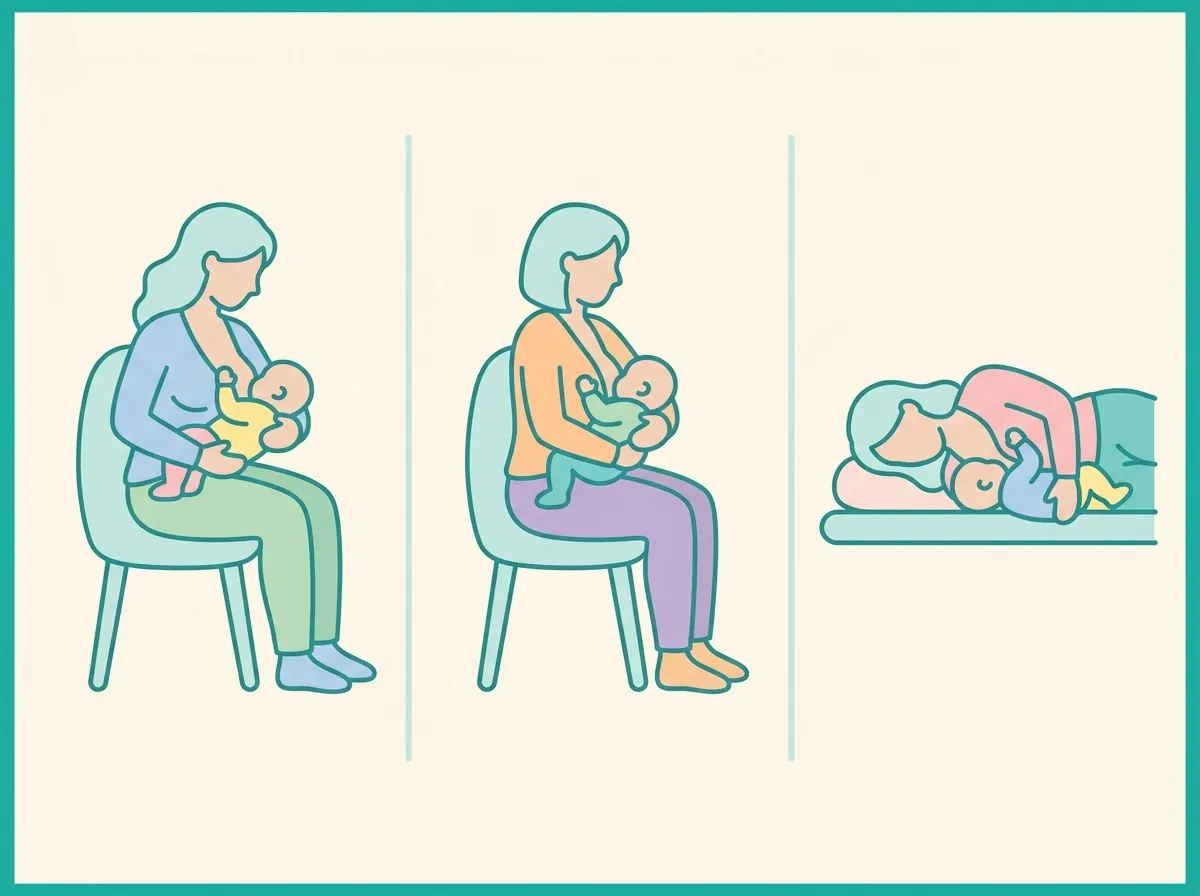
Start on the affected side Your baby sucks most strongly at the beginning of a feed, so starting there helps drainage. If it's too painful, starting on the other side is fine.
Cold compress after feeds 10-15 minutes with a pack wrapped in a thin cloth. Never apply ice directly to skin.
Sunflower lecithin It's thought to reduce milk viscosity and improve flow. Ask your provider if blebs keep recurring.
Remove sources of pressure Take a break from underwire bras, tight tops, and heavy bag straps.
When to Call Your Provider
| Sign | Why it matters |
|---|---|
| Fever of 100.4°F (38°C) or higher, chills, body aches | May have progressed to mastitis needing antibiotics |
| Red, hot area on the breast | Inflammation has spread beyond the duct |
| No improvement after 12-24 hours of care | The point at which guidance recommends being seen |
| Blebs that keep returning in the same spot | May need a prescribed topical steroid cream |
| A firm lump that doesn't resolve | Needs evaluation for abscess |

For recurrent blebs, providers sometimes prescribe a topical steroid cream. Don't use one on your own judgment, get seen.
How Long Does It Take?
There's both reassurance and realism here. Most cases improve within a few weeks, but some blebs take one to two months to resolve completely.
If it hasn't cleared in a few days, you aren't doing it wrong. If the pain is gradually decreasing, you're on the right track. But if pain is worsening or you develop a fever, don't wait it out: get care.
💡 You don't need to stop breastfeeding because of a bleb. Draining the breast regularly actually helps recovery.Tracking Feeds with BebeSnap
- Log feed times and which side, so you can spot if one side is being favored
- Look back at days when feeding intervals stretched unusually long
- Note painful days so you can describe the timeline accurately at your appointment
- Ask the AI chatbot about positioning and latch whenever a question comes up
Frequently Asked Questions (FAQ)
Q: Can I pop a nipple bleb with a needle?
A: No. Cleveland Clinic explicitly says not to pick at blebs, poke them with a needle, or try to slough them off. A bleb isn't a surface blister; it's inflammation from inside the duct that has surfaced at the opening. Popping it leaves the inflammation intact and creates an open wound where bacteria can enter and cause mastitis.
Q: Should I use heat or ice?
A: Ice. The Academy of Breastfeeding Medicine changed this recommendation in its 2022 Protocol #36. Heat increases blood flow, which increases swelling, and swollen tissue compresses the duct further, creating a feedback loop. Apply a cold pack wrapped in a thin cloth for 10-15 minutes after feeds.
Q: Do I need to stop breastfeeding if I have a bleb?
A: No. Draining the breast regularly supports recovery, so continuing to feed is generally better. Starting the feed on the affected side helps because your baby sucks most strongly at the beginning. If the pain is too intense, starting on the other side is perfectly fine.
Q: How long until it goes away?
A: Most improve within a few weeks, though complete resolution can take one to two months. Not clearing within a few days doesn't mean something is wrong, as long as the pain is decreasing. Seek care if you develop a fever of 100.4°F (38°C) or higher or see no improvement after 12-24 hours of home care.
References
Stop Trying to Remember Feed Times
Log time, amount, and intervals. BebeSnap turns them into your baby's daily pattern.
See what the app does firstMedical Disclaimer: This article is for informational purposes only and does not replace professional medical advice. If you have concerns about your baby's health, please consult a pediatrician.
You Might Also Like
Wonder Weeks Calculator: Your Baby's 10 Mental Leaps From the Due Date
Baby Weight Gain Calculator: Grams Per Day From Two Weigh-Ins
Baby Impetigo: Golden Crusts, Antibiotic Treatment, and When Nursery Is Safe Again
Baby Mouth Sores (Stomatitis): Causes, How to Tell Them Apart, and Dehydration Signs
You Might Also Like
Tomato for Babies: When to Start, Skin and Seeds, and Why Cherry Tomatoes Are Never Served Whole
Tomato can start at 5-6 months once the skin and seeds are removed and it is cooked. Portions run 20-30g at 7-8 months and 30-40g at 9-11 months, counted together with fruit. Cherry tomatoes are the one vegetable Japan's childcare guidance names by name as something not to serve whole.
Baby Breathing Red Flags at Night: When Cough or Congestion Needs Urgent Help
A baby coughing or sounding congested at night needs urgent help if breathing looks hard, lips or face change color, feeding drops sharply, the baby is hard to wake, or a baby under 12 weeks has a fever.
Baby Food Freezer Cube Method: Batch Cooking, Portioning, and Mix-and-Match
Cook each ingredient separately, freeze one food per cube, and mix and match on a warm base. Covers texture by stage, 3-5 day allergy spacing, and the 1-month freezer rule.