Does My Baby Need Zinc Supplements?
Check Your Baby's Health from One Photo
Get Started FreeHello! Today, we'll talk about zinc, which is essential for your baby's growth and immunity. Many parents worry about choosing the right supplements for their babies, so let's find out if zinc supplements are really necessary.
What is Zinc?
Zinc is an essential mineral that our body needs.
- Growth and Development: Helps with cell growth and tissue formation
- Immune System Support: Protects respiratory system and reduces inflammation
- Wound Healing: Helps small wounds heal faster
What Happens When Zinc is Deficient?
If your baby lacks zinc:
- Weakened Immunity: More frequent colds and hospital visits
- Loss of Appetite: Reluctance to eat
- Growth Delay: May be smaller than peers
- Diarrhea: Frequent upset stomach
Recommended Daily Zinc Intake for Babies
| Age | Daily Recommended (mg) | Daily Maximum (mg) |
|---|---|---|
| 6-11 months | 3 | - |
| 1-2 years | 3 | 6 |
| 3-5 years | 4 | 9 |

Foods Rich in Zinc
- Meats: Beef, pork, chicken
- Seafood: Oysters, crab, shrimp
- Grains: Unprocessed grains like brown rice and whole wheat
- Dairy: Milk contains more zinc than soy milk!
💡 Pro tip: Try adding small amounts of brown rice or meat to baby food. It's a natural way for your baby to get zinc!
Do We Really Need Zinc Supplements?
Most babies get enough zinc through food. In these cases, though, ask your pediatrician whether your baby might be low in zinc (don't give a baby under 1 a zinc supplement unless your pediatrician prescribes one):
- Poor Appetite: When refusing meat or baby food
- Exclusive Breastfeeding: If not eating solids well after 6 months
- Taking Iron Supplements: Iron can interfere with zinc absorption
- Frequent Diarrhea: Can lead to zinc loss
- Taking Certain Medications: Some antibiotics can interfere with zinc absorption
- Vegan Mother's Breast Milk: Mother's diet might be low in zinc
Conclusion
While zinc is crucial for your baby's growth and health, getting it through food is best. Excessive supplementation might interfere with other nutrient absorption, so be careful.
If your baby eats well, there's no need to worry. However, if you're concerned about appetite or health issues, consult with a healthcare professional!
Supporting all parents working hard for their babies' health! Feel free to ask any questions. 😊
Frequently Asked Questions (FAQ)
Q: Does my baby really need zinc supplements?
A: Most babies get enough zinc through food, so supplements are usually not necessary. Getting zinc from food is best, and excessive supplementation can actually interfere with the absorption of other nutrients.
Q: How much zinc does my baby need each day?
A: The recommended daily intake is 3mg for ages 6-11 months, 3mg (max 6mg) for ages 1-2 years, and 4mg (max 9mg) for ages 3-5 years. These figures follow the 2025 Dietary Reference Intakes for Koreans (Ministry of Health and Welfare).
Q: Which foods are rich in zinc?
A: Meats like beef, pork, and chicken, along with seafood such as oysters, crab, and shrimp, are rich in zinc. Unprocessed grains like brown rice and whole wheat, plus dairy like milk, also contain it. Adding small amounts of brown rice or meat to baby food is a natural way to get zinc.
Q: What are the signs of zinc deficiency in babies?
A: A zinc-deficient baby may have weakened immunity with frequent colds, loss of appetite and reluctance to eat, and growth delay: being smaller than peers in height or weight. Frequent diarrhea can also be a sign.
👉 Get parenting advice from BebeSnap AI Chatbot
References
Check Your Baby's Health from One Photo
AI stool analysis reads color and texture, and keeps every health record in one place.
See what the app does firstMedical Disclaimer: This article is for informational purposes only and does not replace professional medical advice. If you have concerns about your baby's health, please consult a pediatrician.
You Might Also Like
Tomato for Babies: When to Start, Skin and Seeds, and Why Cherry Tomatoes Are Never Served Whole
Apple for Babies: Stage-by-Stage Portions and When Raw Apple Is Safe
Spinach for Babies: When to Start, Why Boiling Matters, and the One Time to Skip It
Potato for Babies: When to Start, Safe Shapes, and Why Never to Blend It
You Might Also Like
Baby Impetigo: Golden Crusts, Antibiotic Treatment, and When Nursery Is Safe Again
Golden-brown crusts spreading across your baby's skin? Impetigo is a common, highly contagious bacterial skin infection in young children. It stops being contagious 48 hours after treatment starts. Here is how to recognise it and when nursery is safe again.
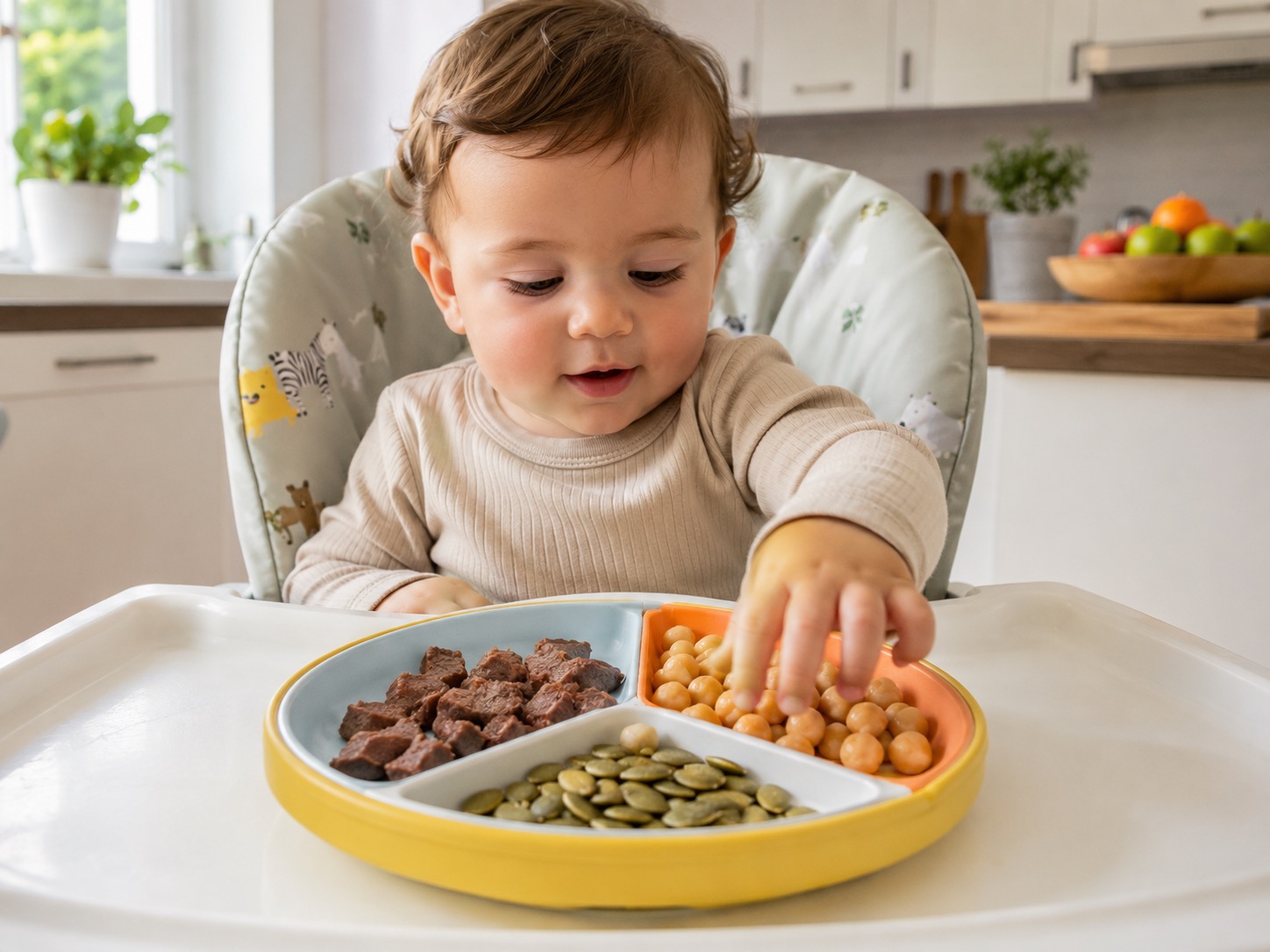
Baby Zinc Supplement Guide: When It's Needed, Daily Dosage, and Zinc-Rich Foods
After 6 months, breast milk alone may not supply enough zinc. Meet the 3mg daily need with beef, eggs, and other zinc-rich foods.

Baby Poop Colors: What's Normal?
Your newborn's poop color reveals their health. Learn the normal stool colors for breast milk, formula, and solids: and which colors mean it's time to pay attention.