BLW vs Spoon Feeding: Which Method Is Right for Your Baby?
Stop Trying to Remember Feed Times
Get Started FreeWhen starting solid foods, many parents wonder whether to choose BLW or traditional spoon feeding. Compare the pros and cons of both methods to find the best approach for your baby.
What Is BLW?
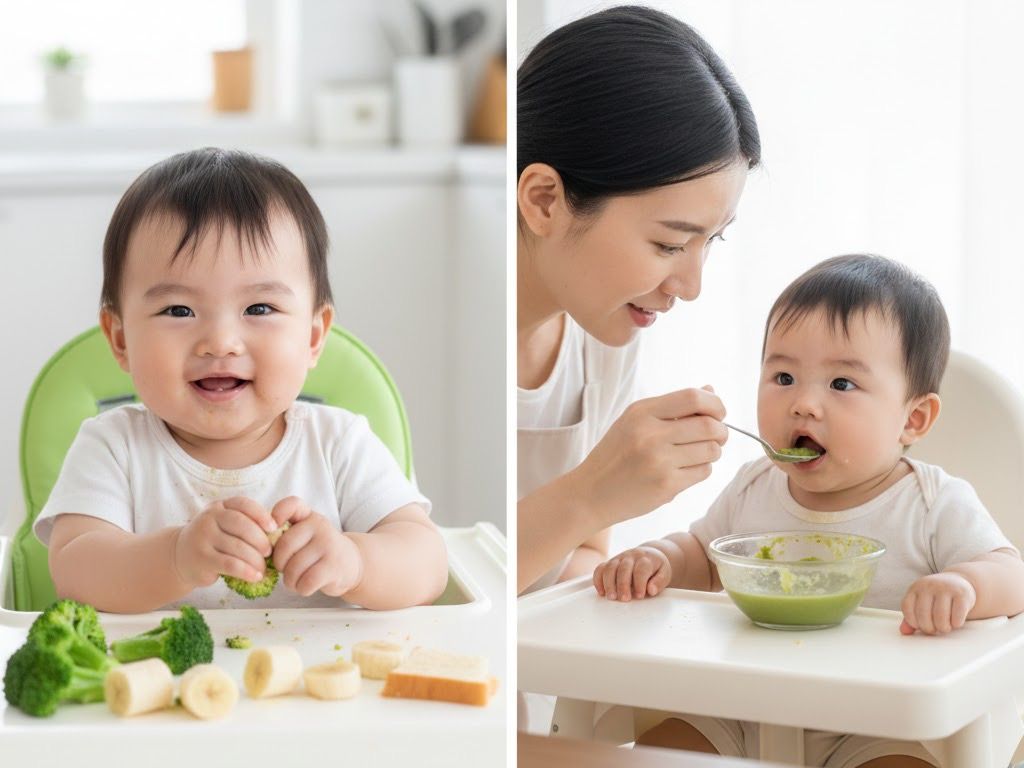
BLW(Baby-Led Weaning) is a self-directed feeding method where babies pick up and eat food themselves. Instead of purees, soft finger foods are offered for babies to explore and eat independently.
Core Principles of BLW
- Baby sits at the table with the family
- No spoon-feeding; baby feeds themselves
- Baby controls how much and how fast they eat
- Experience various textures and flavors simultaneously
What Is Spoon Feeding?
Traditional spoon feeding involves parents feeding pureed foods to their baby. It starts with thin cereals and gradually increases texture.
Characteristics of Spoon Feeding
- Texture can be controlled by stages
- Exact intake can be measured
- Stable nutritional intake
- Proceeds under parental control
Advantages of BLW
1. Self-Regulation Development
Babies learn to regulate their intake, preventing overeating and developing the ability to recognize hunger and fullness cues.
2. Fine Motor Skill Development
Grasping, holding, and bringing food to the mouth develops hand-eye coordination and fine motor skills.
3. Diverse Texture Experience
Experiencing various textures from the start reduces picky eating tendencies and increases food curiosity.
4. Family Meal Participation
Eating the same food with family builds social dining experiences and positive associations with mealtime.
BLW respects baby's autonomy and turns meals into enjoyable exploration time.Advantages of Spoon Feeding
1. Stable Nutritional Intake
Precise amounts can be measured and balanced nutrients provided for stable growth nutrition.
2. Reduced Choking Risk
Starting with smooth purees presents relatively lower initial choking risk.
3. Less Messy
Food spills less compared to BLW, making cleanup relatively easier.
4. Easier Allergy Management
Introducing one ingredient at a time makes it easier to identify allergic reactions precisely.
Comparison of Both Methods
| Aspect | BLW | Spoon Feeding |
|---|---|---|
| Start Time | 6 months (when can sit) | 4-6 months |
| Food Form | Finger foods, stick shapes | Purees, cereals |
| Intake Control | Baby-led | Parent-led |
| Prep Time | Same as family meals | Separate preparation needed |
| Cleanup Difficulty | Messy | Relatively clean |

Combined Approach: Best of Both Worlds
Recently, a combined approach using both BLW and spoon feeding has gained popularity.
How to Do Combined Feeding
- Offer purees with spoon while also providing finger foods
- Choose flexibly based on baby's mood and situation
- Pursue both nutritional intake and autonomy development
Safety Tips
BLW Safety Rules
- Offer food in finger-sized stick shapes
- Cook hard foods until soft
- Always cut round foods (grapes, cherry tomatoes)
- Always supervise your baby
Spoon Feeding Safety Rules
- Check temperature before feeding
- Don't force feed if baby refuses
- Adjust consistency to prevent choking
Track Baby Food with BebeSnap
Whatever method you choose, BebeSnap app helps you record systematically.
- Record food types and amounts
- Note baby's reactions and preferences
- AI analysis for nutritional balance
- Track suspected allergy ingredients
👉 Learn more about BebeSnap Feeding Records
Frequently Asked Questions (FAQ)
Q: When can I start BLW versus spoon feeding?
A: BLW typically starts at 6 months, once your baby can sit independently, while spoon feeding can start at 4-6 months. BLW uses finger foods and stick-shaped pieces, whereas spoon feeding uses purees and cereals.
Q: What is the biggest advantage of BLW?
A: Babies learn to regulate their own intake, which helps prevent overeating and develops their ability to recognize hunger and fullness cues. Grasping food and bringing it to the mouth also builds hand-eye coordination and fine motor skills, and experiencing varied textures from the start can reduce picky eating.
Q: Can I combine both feeding methods?
A: Yes, a combined approach has become popular, offering purees with a spoon while also providing finger foods. You can choose flexibly based on your baby's mood and situation, pursuing both nutritional intake and autonomy. There's no single right answer; the best method is what works for your baby and family.
Q: How do I prevent choking during BLW?
A: Offer food in finger-sized stick shapes and cook hard foods until soft. Always cut round foods like grapes and cherry tomatoes, and supervise your baby closely throughout the entire meal.
References
Stop Trying to Remember Feed Times
Log time, amount, and intervals. BebeSnap turns them into your baby's daily pattern.
See what the app does firstMedical Disclaimer: This article is for informational purposes only and does not replace professional medical advice. If you have concerns about your baby's health, please consult a pediatrician.
You Might Also Like
Wonder Weeks Calculator: Your Baby's 10 Mental Leaps From the Due Date
Baby Weight Gain Calculator: Grams Per Day From Two Weigh-Ins
Baby Impetigo: Golden Crusts, Antibiotic Treatment, and When Nursery Is Safe Again
Baby Mouth Sores (Stomatitis): Causes, How to Tell Them Apart, and Dehydration Signs
You Might Also Like
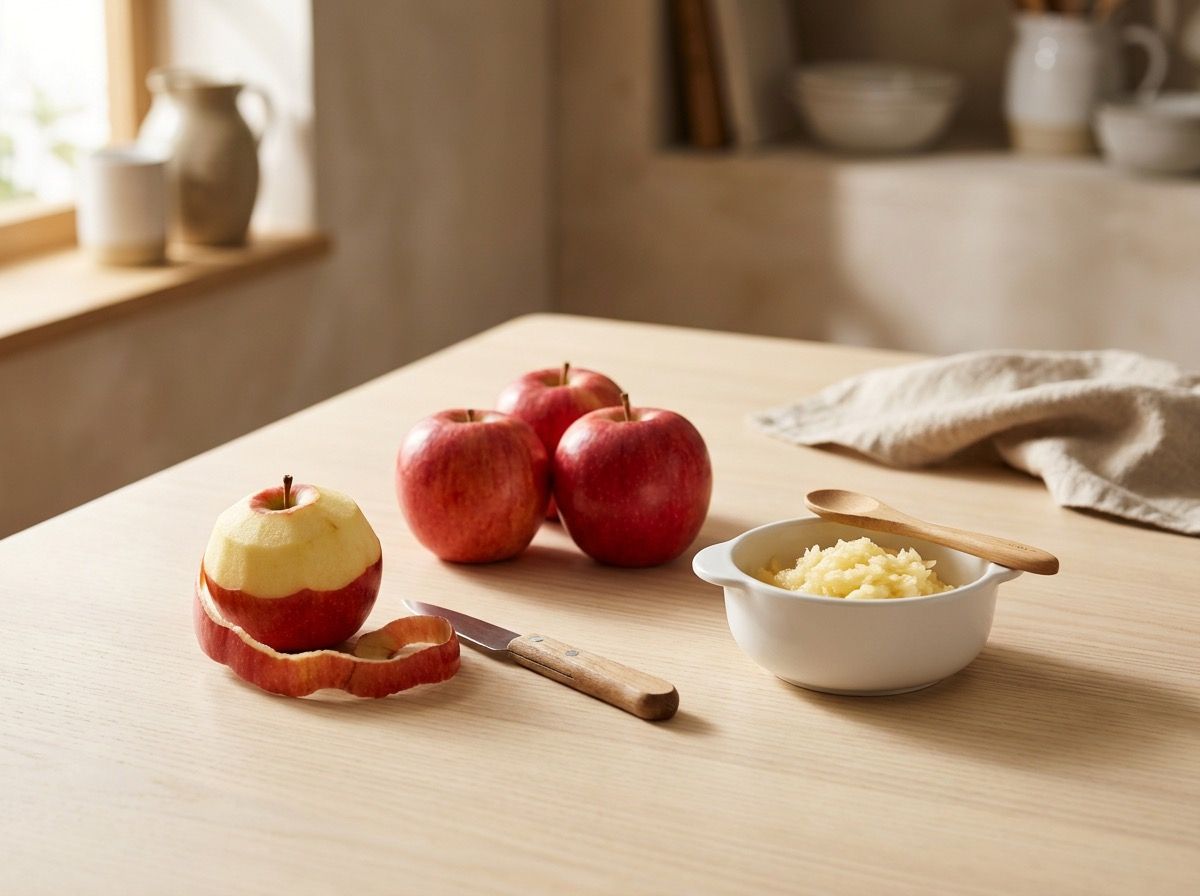
Apple for Babies: Stage-by-Stage Portions and When Raw Apple Is Safe
Apple can start in the first weaning stage, grated and cooked. Portions are 20-30g at 7-8 months and 30-40g at 9-11 months, counted together with vegetables. Front teeth bite, but the molars that grind only start coming in at the end of weaning.
🍼 Bottle Nipple Size Guide
Bottle nipples need to match your baby. Flow rates and stages that cause choking or overfeeding, sizing by age, and when to replace: here's how to choose the right nipple.
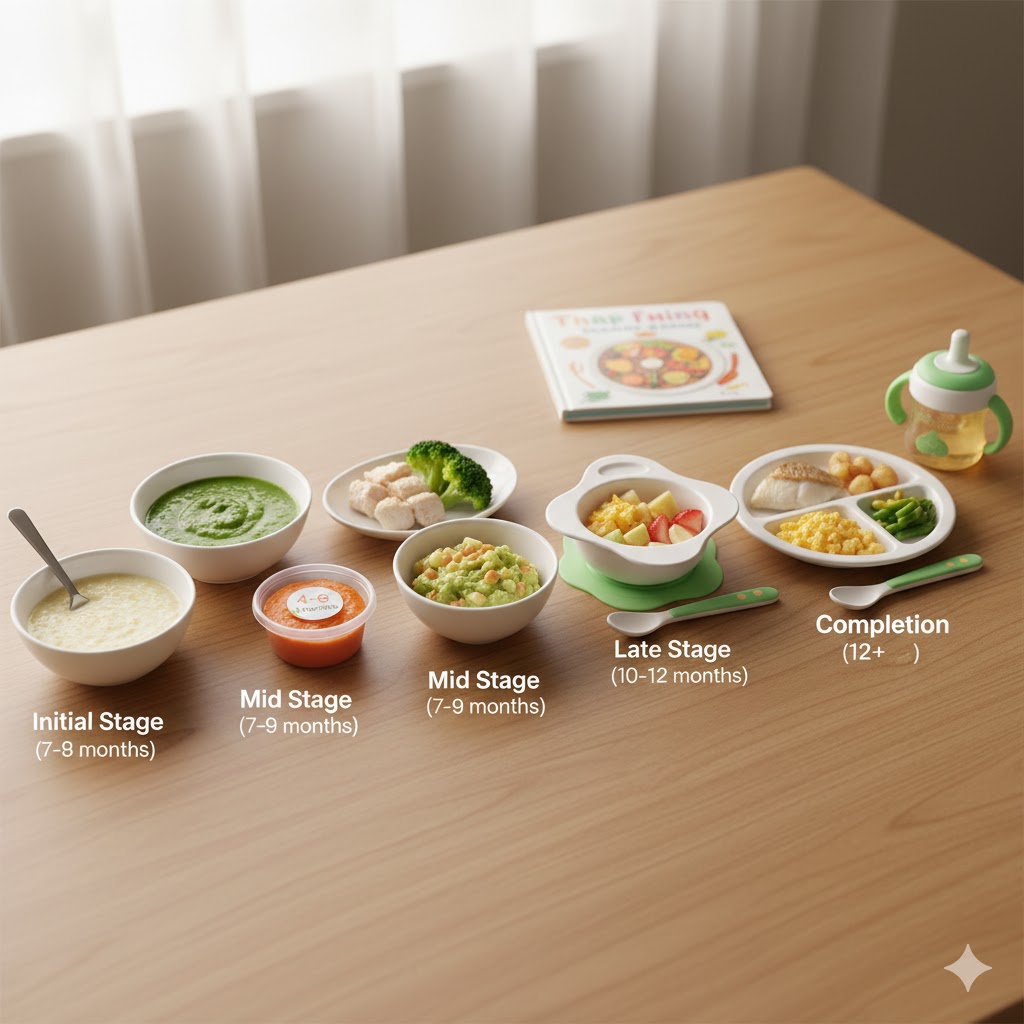
Baby Food Stages Guide: From First Bites to Toddler Meals
Solids progress through 4 stages: early, middle, late, and completion. Learn each stage's characteristics, appropriate foods, textures, and precautions for the right timing.