Baby Food Stages Guide: From First Bites to Toddler Meals
Stop Trying to Remember Feed Times
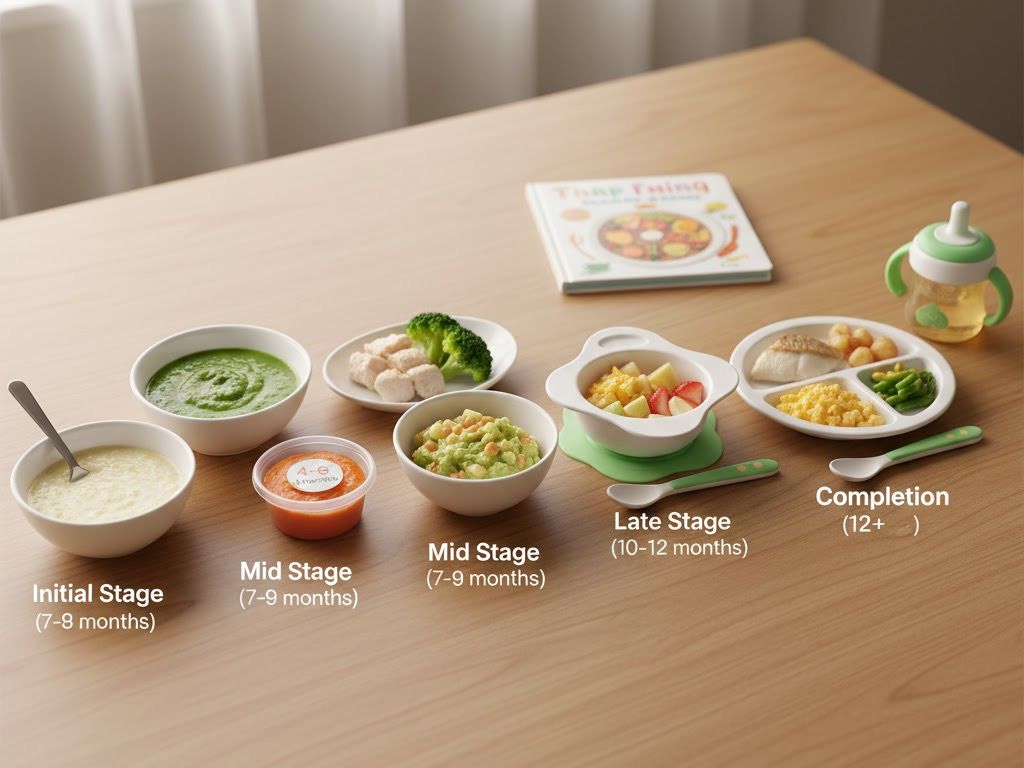
Get Started FreeBaby's transition to solid foods is more than just a dietary change; it lays the foundation for lifelong eating habits. Learn about the characteristics, appropriate foods, and precautions for each stage: early, middle, late, and completion phases.
When to Start Solids
The World Health Organization(WHO) and American Academy of Pediatrics recommend starting solid foods at around 6 months of age. However, since every baby develops differently, look for these readiness signs.
Signs of Readiness
- Can hold head steady and sit with support
- Shows interest in food and reaches for it
- Tongue-thrust reflex has diminished
- Has doubled birth weight
Early Stage (6 Months)
The early stage is an adjustment period where babies get used to spoons and new flavors.
Early Stage Characteristics
- Once daily, starting with 1-2 spoonfuls
- Thin, runny consistency (10:1 water to rice ratio)
- Start with rice cereal, adding one ingredient at a time
- Wait 3-4 days between new foods to check for allergies
Recommended Foods
- Grains: Rice
- Vegetables: Zucchini, potato, sweet potato, broccoli
- Fruits: Apple, pear, banana
Middle Stage (7-8 Months)
During the middle stage, increase meal quantity and frequency while combining various ingredients.
Middle Stage Characteristics
- Twice daily, 50-80g per meal
- Mashed consistency (7:1 water to rice ratio)
- Full introduction of protein foods
- Can mix two or more ingredients
Recommended Foods
- Grains: Rice, oatmeal, glutinous rice
- Vegetables: Carrot, cabbage, spinach, bok choy
- Protein: Tofu, chicken breast, white fish, egg yolk
- Fruits: Strawberry, watermelon, melon
Late Stage (9-11 Months)
In the late stage, textures advance to foods that can be mashed with gums.
Late Stage Characteristics
- Three times daily, 100-120g per meal
- Finely chopped consistency (soft rice)
- Introduction of finger foods
- Experience diverse flavors and textures
Recommended Foods
- Grains: Soft rice, noodles, bread
- Vegetables: Mushrooms, bell peppers, tomatoes
- Protein: Beef, pork, salmon, whole egg
- Dairy: Plain yogurt, cheese
Completion Stage (12-15 Months)
The completion stage transitions to toddler food and establishes family mealtime habits.
Completion Stage Characteristics
- Three main meals + 1-2 snacks daily
- Regular rice texture, similar to adult dishes
- Begin practicing with utensils
- Encourage self-feeding attempts
Stage-by-Stage Precautions
1. Allergy Management
Start new ingredients in small amounts and observe for 3-4 days. If symptoms like hives, vomiting, or diarrhea appear, stop that ingredient and consult your pediatrician.
2. Foods to Avoid
- Before 12 months: Honey, cow's milk, whole nuts
- Before 24 months: Shellfish, raw seafood
- All ages: Foods high in added sugar/salt
3. Choking Prevention
- Always cut grapes and cherry tomatoes
- Grind nuts or use nut butters
- Always feed in an upright seated position
Manage Baby Food with BebeSnap
Track your baby food journey systematically with the BebeSnap app.
- Record ingredients tried
- AI nutrition analysis for balanced meals
- Track and monitor allergy reactions
- View alongside baby's growth curve
👉 Learn more about BebeSnap Feeding Records
Frequently Asked Questions (FAQ)
Q: When should I start solid foods?
A: The WHO and AAP recommend starting solids at around 6 months. Since every baby develops differently, look for readiness signs: holding the head steady and sitting with support, showing interest in food and reaching for it, a diminished tongue-thrust reflex, and having doubled birth weight.
Q: How many days apart should I introduce new ingredients?
A: To check for allergies, start each new ingredient in a small amount and introduce one at a time, waiting 3-4 days between them. If symptoms like hives, vomiting, or diarrhea appear, stop that ingredient and consult your pediatrician.
Q: How much and how often should I feed at each stage?
A: Early stage (6 months) is once daily with 1-2 spoonfuls; middle stage (7-8 months) is twice daily at 50-80g per meal; late stage (9-11 months) is three times daily at 100-120g; and completion stage (12-15 months) is three main meals plus 1-2 snacks. Texture progresses from thin puree to regular rice.
Q: Which foods should I never give before age 1?
A: Before 12 months, avoid honey, cow's milk, and whole nuts. Before 24 months, avoid shellfish and raw seafood, and at all ages limit foods high in added sugar and salt. Always cut grapes and cherry tomatoes and grind nuts to prevent choking.
References
Stop Trying to Remember Feed Times
Log time, amount, and intervals. BebeSnap turns them into your baby's daily pattern.
See what the app does firstMedical Disclaimer: This article is for informational purposes only and does not replace professional medical advice. If you have concerns about your baby's health, please consult a pediatrician.
You Might Also Like
Wonder Weeks Calculator: Your Baby's 10 Mental Leaps From the Due Date
Baby Weight Gain Calculator: Grams Per Day From Two Weigh-Ins
Baby Impetigo: Golden Crusts, Antibiotic Treatment, and When Nursery Is Safe Again
Baby Mouth Sores (Stomatitis): Causes, How to Tell Them Apart, and Dehydration Signs
You Might Also Like
Apple for Babies: Stage-by-Stage Portions and When Raw Apple Is Safe
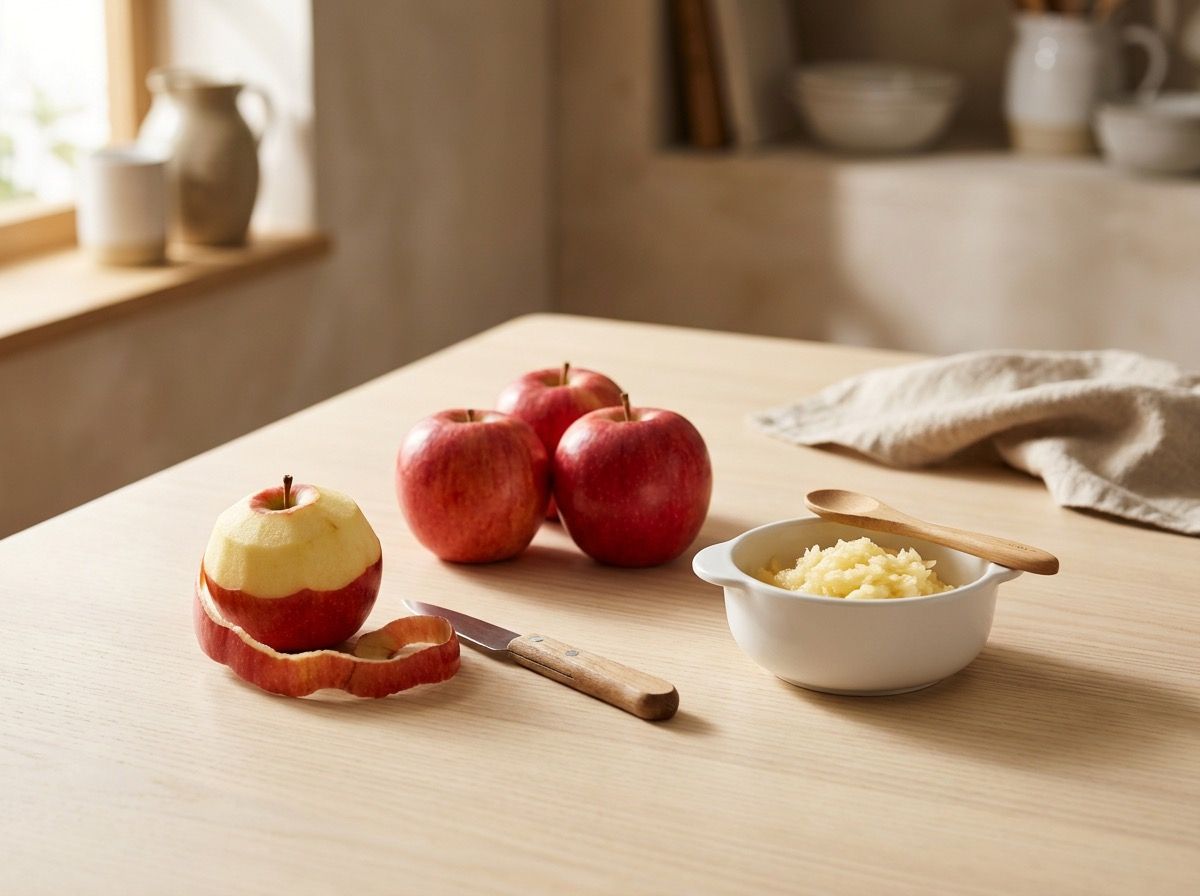
Apple can start in the first weaning stage, grated and cooked. Portions are 20-30g at 7-8 months and 30-40g at 9-11 months, counted together with vegetables. Front teeth bite, but the molars that grind only start coming in at the end of weaning.
Baby Food Storage Guide: How Many Days in the Fridge, Months in the Freezer, and Safe Reheating
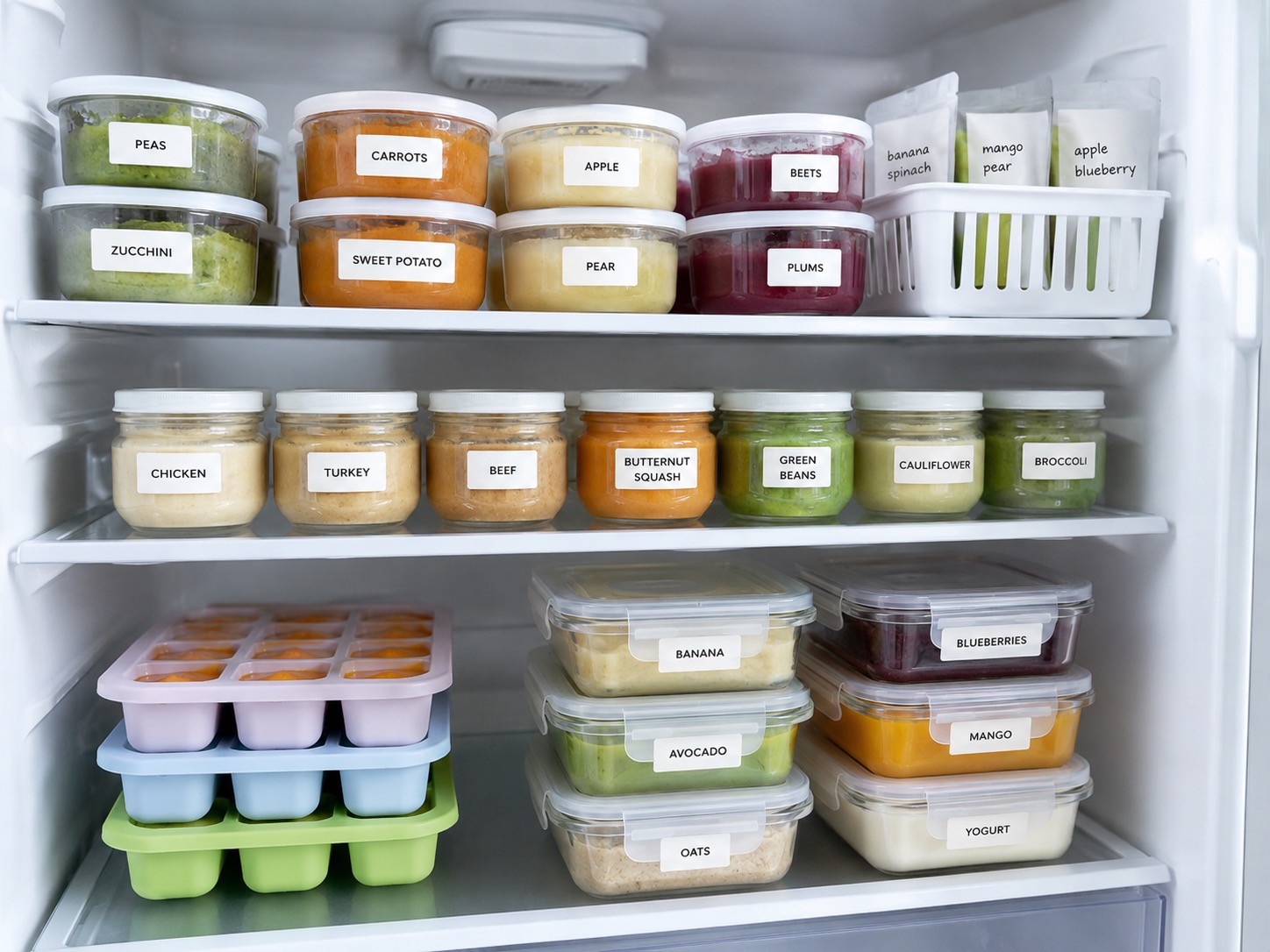
Homemade baby food keeps 1–2 days in the fridge and 1–3 months frozen. Here's a clear guide to cube portioning, thawing, and reheating.
🍼 Bottle Nipple Size Guide
Bottle nipples need to match your baby. Flow rates and stages that cause choking or overfeeding, sizing by age, and when to replace: here's how to choose the right nipple.