How to Prepare Baby Formula | Water Temperature, Ratio & Storage Guide
Stop Trying to Remember Feed Times
Get Started FreePreparing baby formula may seem simple, but there are many important factors to consider including water temperature, ratio, and hygiene. Proper formula preparation ensures your baby absorbs nutrients correctly and helps prevent digestive issues. This guide covers everything you need to know about preparing formula.
Before Preparing Formula
Hygiene is the most important step before making formula.
Essential Supplies
- Sterilized bottle and nipple
- Formula (within one month of opening)
- Boiled and cooled water or bottled water
- Formula scoop (use the one included with product)
- Bottle warmer (optional)
Hand Washing
- Wash hands with soap for at least 20 seconds
- Clean under nails and between fingers
Water Temperature for Formula
Water temperature is crucial when preparing formula.
Recommended Temperature: 70°C (158°F) or Higher
The World Health Organization (WHO) recommends using water at 70°C or higher.
Why Use Water Above 70°C
- Kills bacteria (Cronobacter) that may be present in formula
- Eliminates Salmonella
- Not complete sterilization but significantly reduces risk
How to Get the Right Temperature
- Bring water to a full boil
- Let cool for about 30 minutes to reach 70°C
- Or use a formula prep machine set to 70°C
| Water State | Temperature | Suitability |
|---|---|---|
| Boiling water | 100°C (212°F) | ❌ May destroy nutrients |
| 30 min after boiling | 70°C (158°F) | ✅ Recommended |
| Lukewarm water | 40°C (104°F) | ⚠️ Won't kill bacteria |
| Cold water | Room temp | ❌ Formula won't dissolve well |
Step-by-Step Formula Preparation
Step 1: Prepare Water
- Cool boiled water to 70°C
- Pour about 2/3 of the needed water into the bottle
Step 2: Measure Formula
- Scoop formula with the provided scoop
- Level off the top (use back of knife or chopstick)
- Don't pack or compress the powder
Step 3: Add Formula
- Add formula to the bottle
- Follow manufacturer's recommended ratio (typically 1 scoop per 30ml water)
Step 4: Mix
- Close with nipple and cap
- Gently shake until completely dissolved
- Swirl in circles to minimize bubbles
Step 5: Add Remaining Water
- Add rest of water to reach desired amount
- Gently mix again
Step 6: Check Temperature
- Cool bottle under running cold water (feeding temp: 98-99°F / 36-37°C)
- Test a few drops on inner wrist
- Should feel lukewarm
Formula Ratio (Concentration)
Follow the manufacturer's recommended ratio exactly.
Risks of Incorrect Concentration
| Concentration | Problems |
|---|---|
| Too concentrated | Dehydration, constipation, kidney strain, obesity risk |
| Too diluted | Malnutrition, poor weight gain, developmental delays |

Standard Formula Ratio
- Most formulas: 1 scoop per 30ml (1 oz) water
- Check packaging as it varies by product
Formula Storage
Unopened Formula
- Store in cool, dry place
- Avoid direct sunlight
- Check expiration date
Opened Formula
- Seal tightly, store in cool place
- Do NOT refrigerate (moisture causes spoilage)
- Use within one month of opening
Prepared Formula
- Room temperature: Use within 2 hours
- Refrigerated: Use within 24 hours (not recommended)
- Leftover from feeding: Discard immediately (bacteria growth)
Common Formula Preparation Mistakes
1. Adding formula before water
- Hard to measure water accurately
- May result in over-concentration
2. Packing the scoop
- Increases formula amount, making it too concentrated
- Level off the scoop properly
3. Shaking vigorously
- Creates too many bubbles causing gas
- Swirl gently in circles
4. Microwaving to warm
- Uneven heating creates hot spots, burn risk
- Use warm water bath instead
5. Reusing leftover formula
- Baby's saliva introduces bacteria
- Always discard after feeding
Formula Preparation While Out
What to Bring
- 2-3 sterilized bottles
- Formula dispenser (pre-portioned)
- Thermos (with hot water)
- Bottled water (for cooling)
How to Make Formula on the Go
- Pour about 2/3 hot water from thermos into bottle
- Add formula and mix
- Add cool bottled water to adjust temperature
- Test on wrist before feeding
Night Feeding Tips
Prepare Ahead
- Pre-portion formula in dispensers
- Keep thermos with 70°C water ready
- Prepare cooling water
- Place everything by bedside
Using a Bottle Warmer
- Maintains consistent temperature
- Convenient for pre-heating water
- Never keep prepared formula warm
Manage Feeding with BebeSnap
Systematically manage formula feeding with the BebeSnap app.
- Feeding Log: Record feeding times, amounts, and formula type
- Formula Calculator: Check recommended amounts by age
- Pattern Analysis: Understand feeding intervals and amounts
- Reminders: Alerts for next feeding time
- AI Chatbot: Get answers to formula feeding questions
👉 Learn how to use BebeSnap Feeding Record
Frequently Asked Questions (FAQ)
Q: What water temperature should I use to make formula?
A: The World Health Organization (WHO) recommends using water at 70°C (158°F) or higher. Water at 70°C or above kills bacteria such as Cronobacter and Salmonella that may be present in formula. Boil water fully, then let it cool for about 30 minutes to reach 70°C. Cool the bottle to 36-37°C before feeding.
Q: Can I make formula stronger if my baby seems hungry?
A: No. Making formula too concentrated can cause dehydration, constipation, kidney strain, and obesity risk. Making it too diluted can lead to malnutrition, poor weight gain, and developmental delays. Increase the amount, but keep the manufacturer's ratio exactly (usually 1 scoop per 30ml of water).
Q: How long can prepared formula be kept?
A: Use it within 2 hours at room temperature. Refrigerated formula can be kept up to 24 hours, but this is not recommended. Any formula left over from a feeding should be discarded immediately because the baby's saliva breeds bacteria. Store opened powder sealed in a cool place (not the fridge) and use within one month.
Q: Can I microwave formula to warm it?
A: Avoid the microwave because it heats unevenly and creates hot spots that can burn your baby. Warm the bottle in a warm water bath instead. After warming, test a few drops on your inner wrist to make sure it feels lukewarm (36-37°C) before feeding.
References
Stop Trying to Remember Feed Times
Log time, amount, and intervals. BebeSnap turns them into your baby's daily pattern.
See what the app does firstMedical Disclaimer: This article is for informational purposes only and does not replace professional medical advice. If you have concerns about your baby's health, please consult a pediatrician.
You Might Also Like
Wonder Weeks Calculator: Your Baby's 10 Mental Leaps From the Due Date
Baby Weight Gain Calculator: Grams Per Day From Two Weigh-Ins
Baby Impetigo: Golden Crusts, Antibiotic Treatment, and When Nursery Is Safe Again
Baby Mouth Sores (Stomatitis): Causes, How to Tell Them Apart, and Dehydration Signs
You Might Also Like
Apple for Babies: Stage-by-Stage Portions and When Raw Apple Is Safe
Apple can start in the first weaning stage, grated and cooked. Portions are 20-30g at 7-8 months and 30-40g at 9-11 months, counted together with vegetables. Front teeth bite, but the molars that grind only start coming in at the end of weaning.
Hip Dysplasia (DDH) in Babies: Leg-Length & Thigh-Fold Signs and Early Detection
Breech babies have about a 12.5% rate of hip dysplasia. Watch for unequal leg length, asymmetric thigh folds, and limited hip spread: an ultrasound at 6 weeks catches it early, and the Pavlik harness resolves roughly 70-80% of cases.
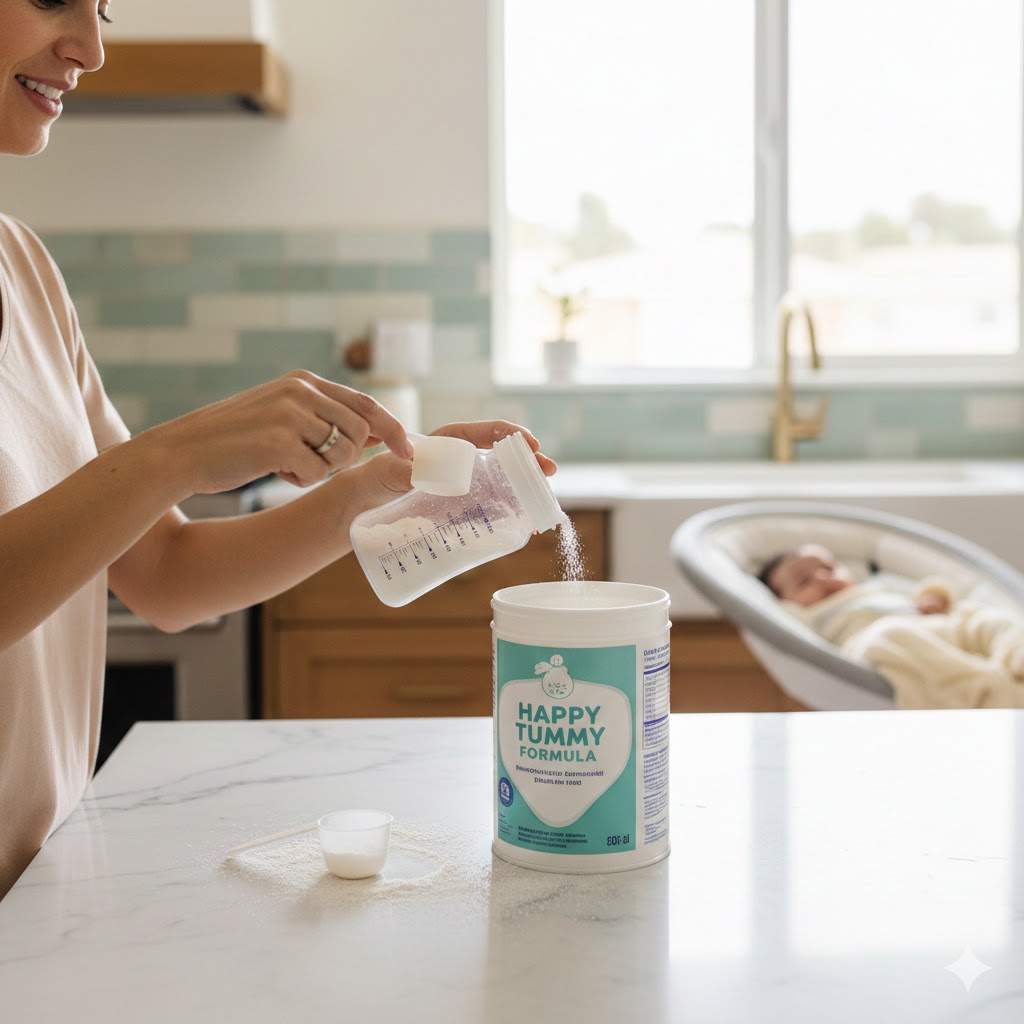
Formula Calculator: Weight×2.5oz Formula & Amount by Age
Not sure how much formula to give? Basic formula: weight(kg)×150ml÷feedings. From newborn 2-3oz to 6-month 6-8oz.