Formula Calculator: Weight×2.5oz Formula & Amount by Age
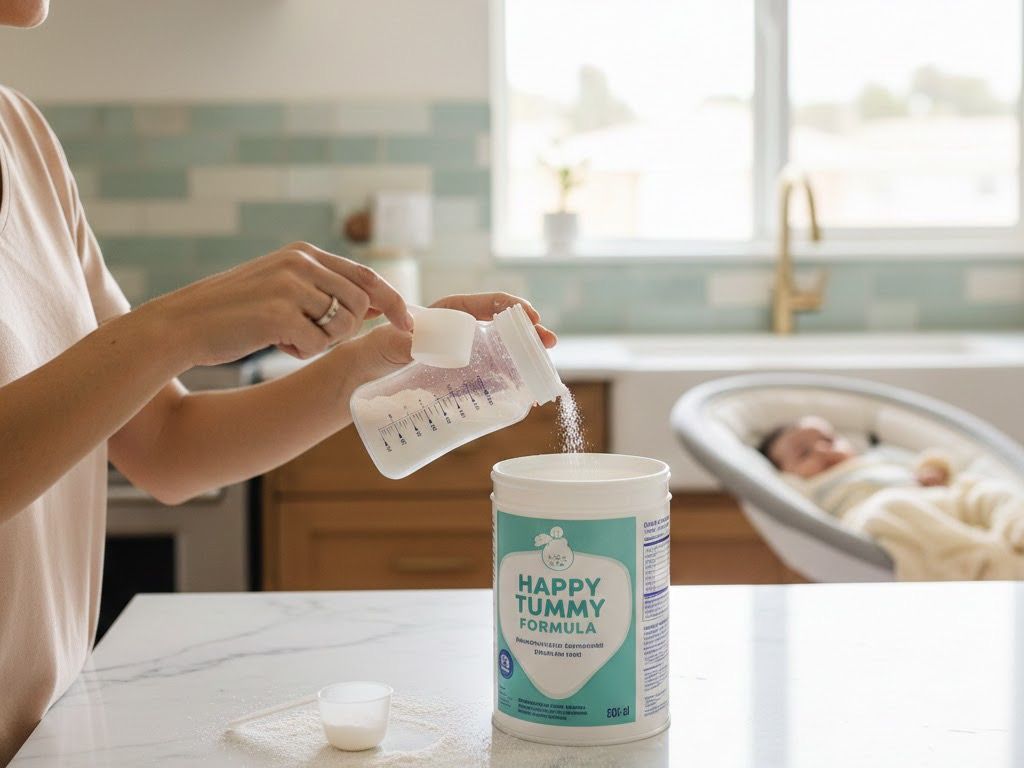
🍼 Formula Calculator
💡 This calculation is based on the weight×150ml formula. Every baby's needs are different, so use this as a guide!
📋 By Age
Stop Trying to Remember Feed Times
Get Started FreeWondering how much formula to feed your baby? While every baby's appetite is different, we've compiled age-specific guidelines based on World Health Organization(WHO) and American Academy of Pediatrics(AAP) recommendations. From basic formulas to reading your baby's hunger cues, here's everything you need to know.
Basic Formula Calculation
| Method | Formula | Example |
|---|---|---|
| Standard Calculation | Weight (kg) × 150ml ÷ Number of feeds | 5kg baby: 750ml ÷ 6 feeds = 125ml/feed |
| Daily Range | Weight (kg) × 120-180ml | 5kg baby: 600-900ml/day |
Formula Amount by Age
Newborn (0-2 weeks)
| Factor | Recommendation |
|---|---|
| Per Feeding | 30-60ml (1-2oz) |
| Frequency | 8-12 times/day |
| Interval | 2-3 hours |
| Daily Total | 300-500ml |
2 Weeks to 1 Month
| Factor | Recommendation |
|---|---|
| Per Feeding | 60-90ml (2-3oz) |
| Frequency | 7-8 times/day |
| Interval | 2.5-3 hours |
| Daily Total | 450-700ml |
1-2 Months
| Factor | Recommendation |
|---|---|
| Per Feeding | 90-120ml (3-4oz) |
| Frequency | 6-8 times/day |
| Interval | 3-3.5 hours |
| Daily Total | 600-900ml |
2-4 Months
| Factor | Recommendation |
|---|---|
| Per Feeding | 120-150ml (4-5oz) |
| Frequency | 5-6 times/day |
| Interval | 3.5-4 hours |
| Daily Total | 700-900ml |
4-6 Months
| Factor | Recommendation |
|---|---|
| Per Feeding | 150-180ml (5-6oz) |
| Frequency | 5-6 times/day |
| Interval | 4 hours |
| Daily Total | 800-1000ml |
6-12 Months (After Starting Solids)
| Factor | Recommendation |
|---|---|
| Per Feeding | 180-240ml (6-8oz) |
| Frequency | 3-5 times/day |
| Interval | 4-5 hours |
| Daily Total | 600-900ml (combined with solids) |
Signs Your Baby is Getting Enough
Signs of Adequate Feeding
- Diaper changes: 6-8 wet diapers per day
- Weight gain: 150-200g per week (until 4 months)
- Alertness: Active and responsive when awake
- Skin color: Healthy complexion
- Post-feeding satisfaction: Appears content after feeding
Signs of Hunger
- Rooting: Turning head and opening mouth
- Hand to mouth: Bringing hands to mouth
- Fussiness: Restless after feeding
- Sucking motions: Sucking on fists or fingers
Signs of Fullness
- Refusing nipple: Turning away or pushing bottle
- Slowing down: Sucking slows or stops
- Falling asleep: Drifts off peacefully during feeding
- Relaxed body: Open hands and relaxed posture
Overfeeding and Underfeeding Warning Signs
Overfeeding Symptoms
| Symptom | Description |
|---|---|
| Frequent spitting up | Large amounts after each feeding |
| Bloated belly | Firm, distended abdomen |
| Rapid weight gain | Significantly exceeding growth curve |
| Increased fussiness | Discomfort from gas or indigestion |
Underfeeding Symptoms
| Symptom | Description |
|---|---|
| Poor weight gain | No gain or loss over 2+ weeks |
| Fewer wet diapers | Less than 6 per day |
| Dark urine | Deep yellow or orange color |
| Lethargy | More sleepy and less responsive than usual |
Practical Formula Feeding Tips
Preparing Formula Correctly
- Water first: Add cooled boiled water first
- Accurate measuring: Level off each scoop
- Gentle mixing: Swirl gently to minimize air bubbles
- Temperature check: Test on inner wrist (body temperature)
Feeding Position
- 45-degree angle: Hold baby with upper body elevated
- Bottle angle: Keep nipple filled with formula
- Burp breaks: Burp every 60-90ml
- Paced feeding: Take 15-20 minutes per feeding
Growth Spurts
Babies go through periods where they suddenly want to eat more.
| Growth Spurt | Duration | Response |
|---|---|---|
| 2-3 weeks | 2-3 days | Feed on demand |
| 6 weeks | 2-3 days | Increase by 10-20ml per feeding |
| 3 months | 3-7 days | Adjust amount or frequency |
| 6 months | 3-7 days | Consider starting solids |
Frequently Asked Questions (FAQ)
Q: Can I save leftover formula?
A: No. According to the American Academy of Pediatrics (AAP), formula that your baby has drunk from should be discarded within 1 hour due to bacteria risk. Prepared but untouched formula can be refrigerated for up to 24 hours.
Q: Should I wake my baby every 3-4 hours to feed at night?
A: During the newborn period (first 2 weeks), wake your baby to feed if they sleep longer than 4 hours, since newborns need 8-12 feedings a day at 2-3 hour intervals. After that, once weight gain is normal, you can feed on demand and follow your baby's hunger cues instead of the clock.
Q: Can I switch formula brands?
A: Yes, if needed. Consult your pediatrician first and transition gradually over 1-2 weeks.
Manage Formula Feeding with BebeSnap
If remembering formula amounts and times is challenging, BebeSnap can help.
- One-touch feeding logs: Auto-calculate amounts, times, and intervals
- Feeding pattern analysis: Daily/weekly feeding graphs
- Reminders: Next feeding time alerts
- Growth tracking: Correlate weight gain with feeding amounts
- AI health reports: Feeding pattern analysis and tips
👉 Learn more about BebeSnap Feeding Records
References:
Stop Trying to Remember Feed Times
Log time, amount, and intervals. BebeSnap turns them into your baby's daily pattern.
See what the app does firstMedical Disclaimer: This article is for informational purposes only and does not replace professional medical advice. If you have concerns about your baby's health, please consult a pediatrician.
You Might Also Like
Wonder Weeks Calculator: Your Baby's 10 Mental Leaps From the Due Date
Baby Weight Gain Calculator: Grams Per Day From Two Weigh-Ins
Baby Impetigo: Golden Crusts, Antibiotic Treatment, and When Nursery Is Safe Again
Baby Mouth Sores (Stomatitis): Causes, How to Tell Them Apart, and Dehydration Signs
You Might Also Like

Apple for Babies: Stage-by-Stage Portions and When Raw Apple Is Safe
Apple can start in the first weaning stage, grated and cooked. Portions are 20-30g at 7-8 months and 30-40g at 9-11 months, counted together with vegetables. Front teeth bite, but the molars that grind only start coming in at the end of weaning.
Formula Feeding Guide: Amount, Schedule & Overfeeding Signs by Age
How much formula should I give? Newborn 2-3oz, 3mo 5oz, 6mo 7oz. Learn overfeeding/underfeeding signs and schedules.
Baby Won't Eat? Age-by-Age Guide to Food Refusal Causes & Practical Solutions
Is your baby suddenly refusing food? From weaning strikes to picky eating, food refusal is a normal part of development. Learn age-specific causes and gentle strategies that actually work.