Toddler Meals: Transitioning from Baby Food to Family Meals
Stop Trying to Remember Feed Times
Get Started FreeAfter the first birthday, babies graduate from baby food and enter the toddler food stage. This is an important transitional period toward adult meals and a golden time for forming proper eating habits. Learn about the characteristics and precautions of toddler food.
What Is Toddler Food?
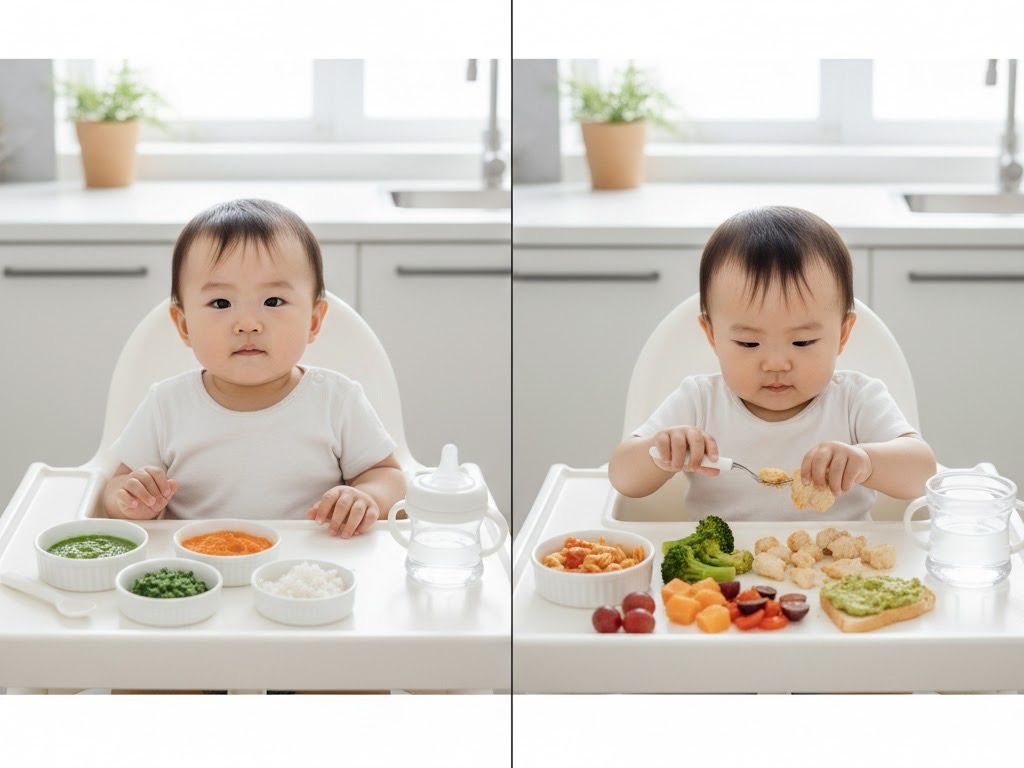
Toddler food refers to meals from 12 months to 3 years of age. It's the stage where children move from soft baby food textures to gradually eating foods similar to adults.
Characteristics of Toddler Food
- Eating soft or regular rice
- Eating soup and side dishes separately
- Practicing with spoons and forks
- Eating at the table with family
What Changes After Age One
Foods Now Allowed
- Cow's milk (prohibited before 1 → allowed after)
- Honey (botulism risk cleared)
- Nuts (finely chopped after allergy check)
- Whole eggs (including whites)
- Various seafood
Foods Requiring Caution
- Hard nuts, candy (choking risk)
- Raw seafood, raw meat
- Caffeinated drinks
- High-salt, high-sugar foods
Daily Meal Composition by Age
12-18 Months
| Meal | Composition | Example |
|---|---|---|
| Breakfast | Main dish + 1-2 sides | Soft rice + egg roll + vegetables |
| Morning Snack | Fruit or dairy | Half banana + milk |
| Lunch | Main + soup + 2 sides | Rice + seaweed soup + grilled fish + greens |
| Afternoon Snack | Carb + protein | Sweet potato + cheese |
| Dinner | Main + 2-3 sides | Rice + braised tofu + beef stir-fry + vegetables |

18-24 Months
Gradually approaches adult meals; can share lightly seasoned family meals.
2-3 Years
Can eat almost like adults, but salty and spicy foods still need caution.
Toddler Nutrition Balance
Essential Nutrient Checklist
1. Protein
- Recommended at every meal
- Meat, fish, eggs, tofu, legumes
- Daily intake: about 1g per kg body weight
2. Calcium
- Essential for bone and teeth development
- Milk, cheese, yogurt, fish with bones
- Daily intake: 500-600mg
3. Iron
- Prevents anemia and supports brain development
- Red meat, spinach, fortified cereals
- Best absorbed with vitamin C
4. Fat
- Important for brain development (don't restrict)
- Avocado, nuts, fatty fish
- Avoid low-fat dairy before age 2
Dealing with Picky Eating
Picky eating is common between ages 1-3. Don't force; try various approaches.
Picky Eating Strategies
1. Repeated Exposure
New foods need 10-15 exposures to become familiar. Keep offering even if rejected.
2. Involvement
Involving children in shopping and cooking increases food interest.
3. Role Modeling
Show your child you enjoying the food. Children learn through imitation.
4. No Forcing
Forced feeding creates negative food associations. Accept if they don't eat.
Don't limit playtime or snacks as punishment for not eating. Linking food with punishment/rewards interferes with healthy eating habit formation.Toddler Food Cooking Tips
Minimize Seasoning
Use about 1/3 the seasoning of adult food. Children's taste buds are sensitive and can taste even mild flavors.
Choking Prevention Cutting
- Grapes, cherry tomatoes: quarter
- Hot dogs, sausages: slice lengthwise then cut small
- Meat: cut against the grain
- Nuts: finely chop or use butter form
Maintain Soft Texture
Since molars aren't fully developed, mince or cook meat tender.
Healthy Toddler Snack Ideas
Healthy Snack Ideas
- Fruit pieces (apple, pear, grapes)
- Veggie sticks (cucumber, carrot, bell pepper)
- Cheese cubes
- Plain yogurt
- Boiled eggs
- Whole wheat crackers
- Steamed sweet potato, potato
Snacks to Avoid
- Cookies, candy, chocolate
- Soda, juice
- Processed meats (ham, sausage)
- Fried foods
Starting Mealtime Manners
Basic mealtime manners can be taught after age one.
Things to Teach
- Washing hands before meals
- Eating while seated
- Using spoons and forks
- Not throwing food
- Saying grace or thank you
Manage Toddler Food with BebeSnap
BebeSnap app systematically manages the toddler food stage too.
- Daily meal recording
- AI nutrition analysis for balance check
- Growth curve monitoring
- Understanding picky eating patterns
👉 Learn more about BebeSnap Feeding Records
Frequently Asked Questions (FAQ)
Q: When does the toddler food stage begin?
A: Toddler food refers to meals from 12 months to 3 years of age. After the first birthday, children move from soft baby food textures to eating soft or regular rice, eating soup and side dishes separately, and sitting down to eat at the table with the family.
Q: What new foods can I introduce after age one?
A: You can introduce cow's milk and honey (botulism risk cleared), both prohibited before age 1, plus finely chopped nuts after an allergy check, whole eggs including the whites, and various seafood. However, hard nuts and candy (choking risk), raw seafood, caffeinated drinks, and high-salt or high-sugar foods still require caution.
Q: My child is a picky eater, what should I do?
A: Picky eating is common between ages 1-3. New foods need 10-15 exposures to become familiar, so keep offering them even if rejected, involve your child in shopping and cooking, and model enjoying the food yourself. Don't force feeding, as it creates negative food associations.
Q: How should I cut food to prevent choking in toddlers?
A: Quarter grapes and cherry tomatoes, slice hot dogs and sausages lengthwise then cut them small, cut meat against the grain, and finely chop nuts or use a butter form. Since molars aren't fully developed yet, it's best to mince or cook meat until tender.
References
Stop Trying to Remember Feed Times
Log time, amount, and intervals. BebeSnap turns them into your baby's daily pattern.
See what the app does firstMedical Disclaimer: This article is for informational purposes only and does not replace professional medical advice. If you have concerns about your baby's health, please consult a pediatrician.
You Might Also Like
Wonder Weeks Calculator: Your Baby's 10 Mental Leaps From the Due Date
Baby Weight Gain Calculator: Grams Per Day From Two Weigh-Ins
Baby Impetigo: Golden Crusts, Antibiotic Treatment, and When Nursery Is Safe Again
Baby Mouth Sores (Stomatitis): Causes, How to Tell Them Apart, and Dehydration Signs
You Might Also Like

Apple for Babies: Stage-by-Stage Portions and When Raw Apple Is Safe
Apple can start in the first weaning stage, grated and cooked. Portions are 20-30g at 7-8 months and 30-40g at 9-11 months, counted together with vegetables. Front teeth bite, but the molars that grind only start coming in at the end of weaning.

Toddler Tantrums: Why They Happen and How to Respond in the Moment
Tantrums aren't bad behavior; they're a normal part of brain development from ages 1–3. Common myths, a 4-step response, prevention, and red flags.

Breast Milk Storage Guide | Refrigeration, Freezing & Thawing Tips
How long does pumped breast milk keep? Storage times at room temperature, fridge, and freezer, plus safe thawing and warming: everything about breast milk storage.