Baby Food Freezing: How to Freeze in Cubes for 1 Month Storage
Stop Trying to Remember Feed Times
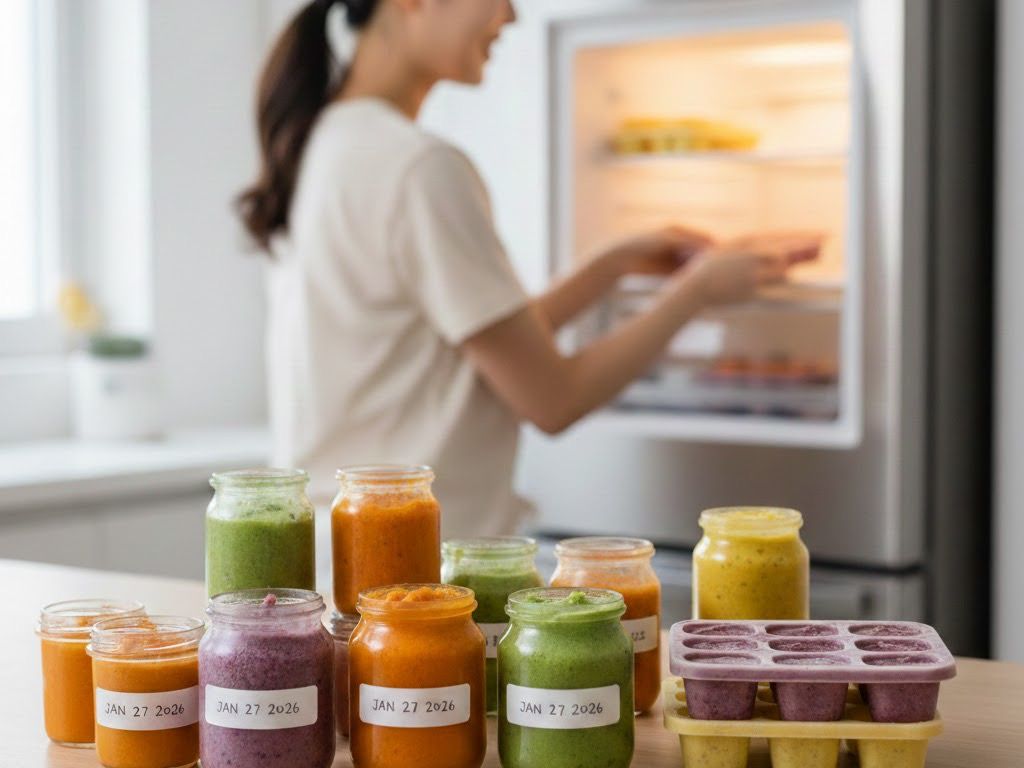
Get Started FreeMaking fresh, nutritious baby food daily while managing busy parenting is challenging. By using proper freezing techniques, you can prepare multiple meals at once, saving time while providing healthy food for your baby.
Benefits of Freezing Baby Food
Time Savings
Preparing a week's worth of baby food on weekends significantly reduces weekday parenting burden.
Nutrient Preservation
Freezing immediately when fresh minimizes loss of vitamins and minerals.
Menu Variety
Making and freezing various types allows you to offer different meals daily.
Frozen baby food can be stored up to 1 month, but consuming within 2 weeks is best.Foods Suitable for Freezing
Freezes Well
- Purees (sweet potato, potato, carrot, zucchini, etc.)
- Porridges (rice, vegetable, meat porridge)
- Stocks (vegetable broth, bone broth)
- Cooked meats (beef, chicken, pork)
- Legumes (except tofu)
Not Suitable for Freezing
- Tofu (becomes crumbly)
- Egg whites (becomes rubbery)
- Raw vegetables (lettuce, cucumber)
- Dairy (yogurt, cheese)
- Bananas (discolors and becomes mushy)
Choosing Freezing Containers
Silicone Cube Trays
- Easy portioning (single servings)
- Easy to pop out
- Dishwasher safe
- Great for early-stage baby food
Glass Containers
- Safe for reheating
- No hormone concerns
- Easy to see contents
- Great for later-stage baby food
Breast Milk Storage Bags
- Convenient for small puree amounts
- Hygienic single-use
- Space efficient
- Great for early-stage baby food
Proper Freezing Methods
1. Cool Completely Before Freezing
Freezing while hot raises freezer temperature and affects other foods. Cool at room temperature for 30 minutes to 1 hour before freezing.
2. Portion Before Freezing
Dividing into single servings allows thawing only what's needed, reducing food waste.
3. Remove Air
Remove as much air as possible when filling containers. Air causes freezer odors and speeds oxidation.
4. Label Everything
Always write the freezing date and contents. Using oldest items first is important.
Frozen Baby Food Storage Duration
| Baby Food Type | Refrigerator | Freezer |
|---|---|---|
| Vegetable Puree | 2-3 days | 1 month |
| Fruit Puree | 1-2 days | 1 month |
| Meat Puree | 1-2 days | 1-2 months |
| Porridge | 2-3 days | 1 month |
| Stock | 3-4 days | 2-3 months |

Safe Thawing Methods
Recommended Thawing Methods
1. Refrigerator Thawing(Safest)
Move to refrigerator the night before and thaw slowly. Takes 8-12 hours but is safest.
2. Water Bath Thawing
When in a hurry, place container in warm water. Be careful water doesn't enter the container.
3. Microwave Thawing
Fastest but may not thaw evenly. Stir during thawing.
Methods to Avoid
- Leaving at room temperature long (bacteria risk)
- Direct hot water immersion
- Refreezing after thawing (never do this)
Reheating Precautions
Check Proper Temperature
Ensure internal temperature reaches 74°C (165°F) or higher after reheating.
Stir Thoroughly
Microwaves create hot spots, so stir during heating and check temperature before feeding.
Reheat Only Once
Reheat only once. Multiple reheating increases bacteria risk.
Efficient Baby Food Prep Tips
Weekly Meal Planning
Plan a week's menu in advance and prepare all needed ingredients at once.
Portion by Ingredient
Freezing purees as individual ingredients allows combining for various meals as needed.
Utilize Stocks
Pre-made frozen vegetable or bone broths are convenient for making porridge or purees.
Manage Baby Food with BebeSnap
BebeSnap app helps manage frozen baby food inventory and feeding records.
- Frozen baby food inventory management
- Record what baby ate
- AI nutrition analysis for balance check
- Allergy reaction tracking
👉 Learn more about BebeSnap Feeding Records
Frequently Asked Questions (FAQ)
Q: How long can I store frozen baby food?
A: Frozen baby food can be stored up to 1 month, but consuming it within 2 weeks is best for nutrition and flavor. Vegetable and fruit purees and porridge keep for 1 month, meat purees for 1-2 months, and stocks for 2-3 months in the freezer.
Q: Are there foods that should not be frozen?
A: Yes. Tofu becomes crumbly, egg whites turn rubbery, raw vegetables get mushy, and dairy like yogurt and cheese as well as bananas do not freeze well. Purees, porridge, cooked meats, and stocks all freeze well.
Q: How do I safely thaw frozen baby food?
A: The safest method is moving it to the refrigerator the night before and thawing slowly over 8-12 hours. When in a hurry, use a warm water bath with the container sealed or a microwave, stirring partway through. Never leave it at room temperature for long or refreeze after thawing.
Q: How long is thawed baby food good for?
A: Thawed baby food must be eaten within 24 hours, and any leftovers must be discarded. Reheat only once, warming it until the internal temperature reaches 74°C (165°F) or higher, then stir thoroughly and check the temperature before feeding.
References
Stop Trying to Remember Feed Times
Log time, amount, and intervals. BebeSnap turns them into your baby's daily pattern.
See what the app does firstMedical Disclaimer: This article is for informational purposes only and does not replace professional medical advice. If you have concerns about your baby's health, please consult a pediatrician.
You Might Also Like
Wonder Weeks Calculator: Your Baby's 10 Mental Leaps From the Due Date
Baby Weight Gain Calculator: Grams Per Day From Two Weigh-Ins
Baby Impetigo: Golden Crusts, Antibiotic Treatment, and When Nursery Is Safe Again
Baby Mouth Sores (Stomatitis): Causes, How to Tell Them Apart, and Dehydration Signs
You Might Also Like
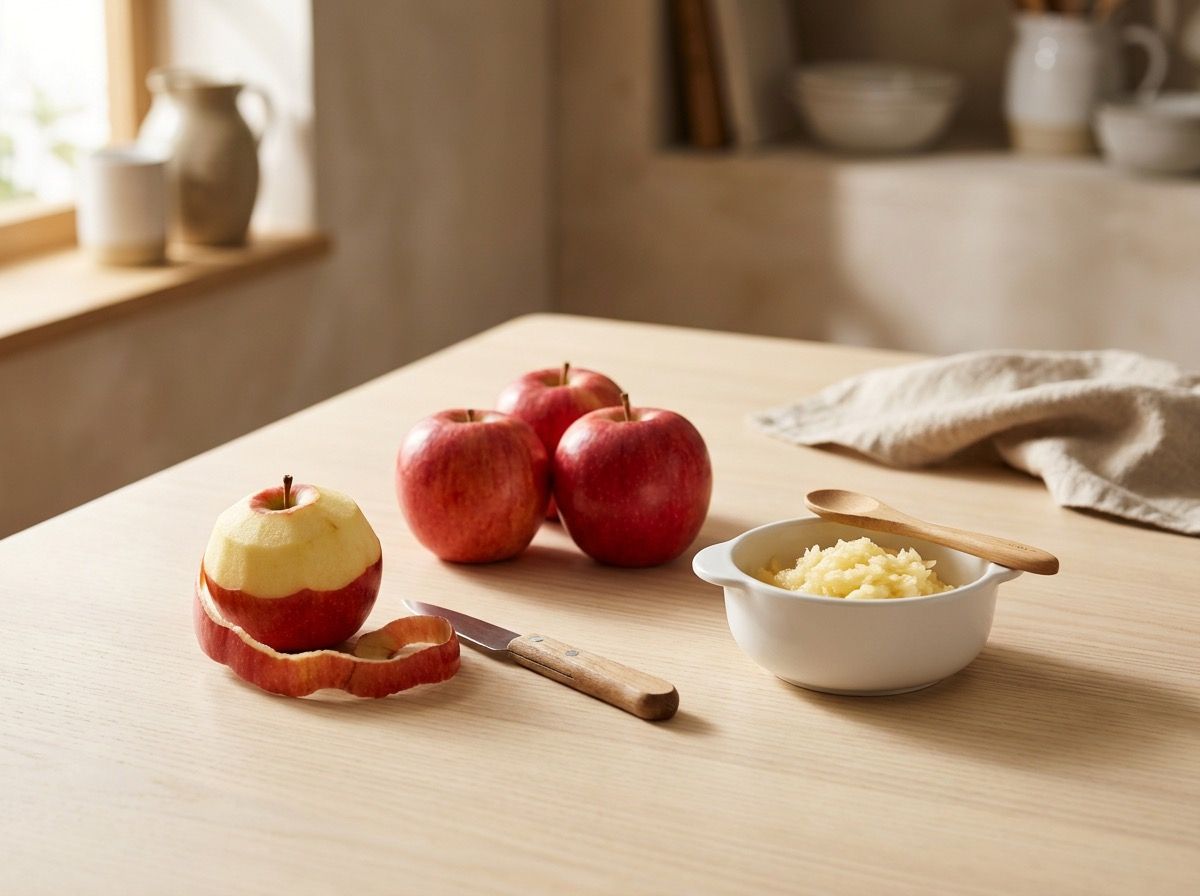
Apple for Babies: Stage-by-Stage Portions and When Raw Apple Is Safe
Apple can start in the first weaning stage, grated and cooked. Portions are 20-30g at 7-8 months and 30-40g at 9-11 months, counted together with vegetables. Front teeth bite, but the molars that grind only start coming in at the end of weaning.
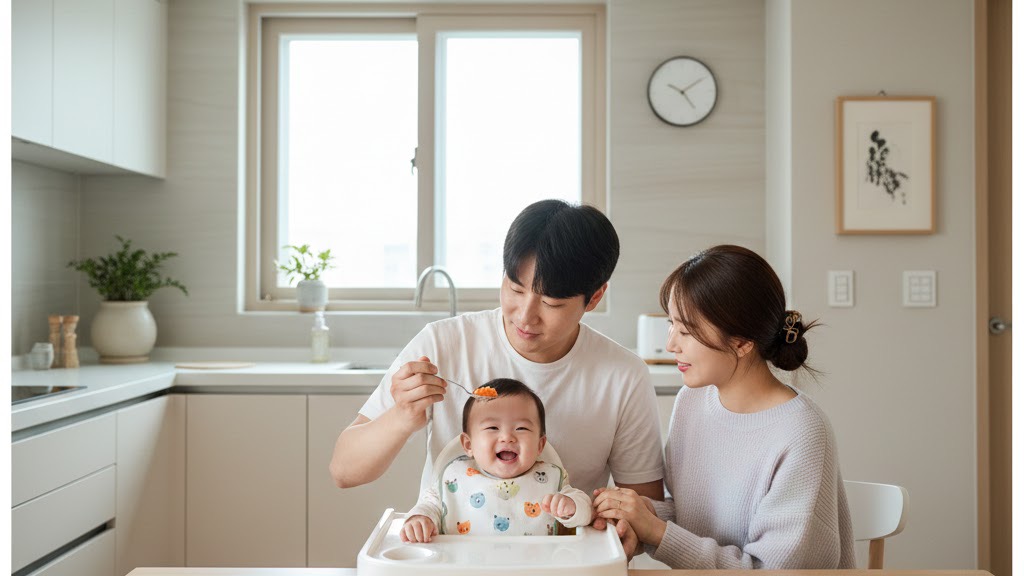
Baby Food Portion Size Guide | How Much Solids by Age (6-12 Months)
How much baby food should you offer? This guide covers portion sizes by age, feeding frequency, how to increase solids, and how to adjust milk intake when starting solids.
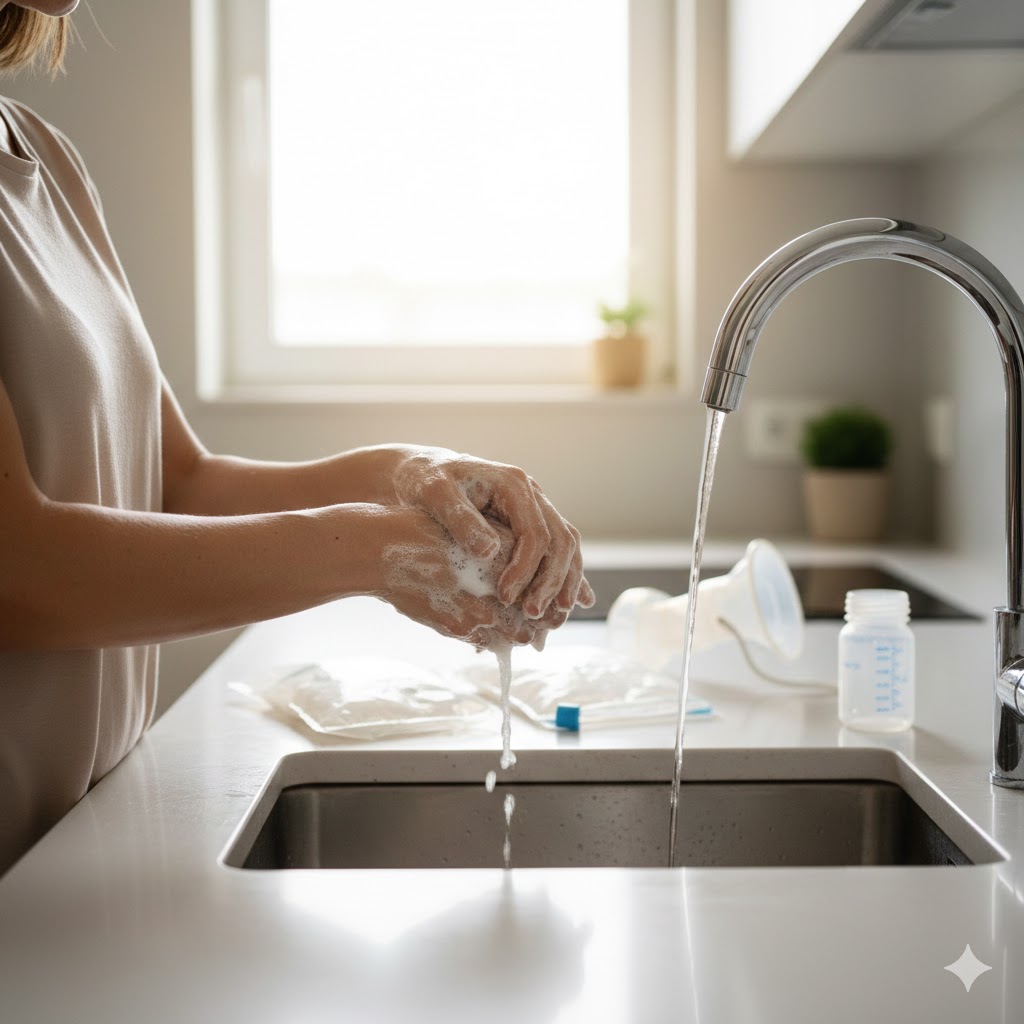
Breast Milk Storage Guide | Refrigeration, Freezing & Thawing Tips
How long does pumped breast milk keep? Storage times at room temperature, fridge, and freezer, plus safe thawing and warming: everything about breast milk storage.