Postpartum Depression Self-Check Guide: Baby Blues vs PPD, EPDS Screening & Recovery

All Your Baby Records in One App
Get Started FreeAfter giving birth, are you suddenly bursting into tears, feeling anxious for no reason, or doubting whether you can care for your baby? You are not alone. About 80% of new mothers experience emotional changes after delivery, and 10 to 20% develop postpartum depression. In this guide, we will walk you through the differences between baby blues and PPD, how to use the EPDS self-screening tool, breastfeeding-safe treatment options, and specific ways your partner can help support your recovery.
Baby Blues vs Postpartum Depression: Key Differences
Experiencing emotional changes after childbirth is completely normal. But baby blues and postpartum depression(PPD) are very different conditions. Knowing the distinction is the first step toward getting the right help.
| Feature | Baby Blues | Postpartum Depression (PPD) |
|---|---|---|
| Onset | 3 to 5 days after delivery | Any time in the first year (often in the first few weeks; can start in pregnancy) |
| Duration | Resolves within 2 weeks | Lasts months to years without treatment |
| Frequency | About 80% of mothers | 10 to 20% of mothers |
| Severity | Mild mood swings | Interferes with daily functioning |
| Key symptoms | Sudden tears, irritability, anxiety | Deep sadness, hopelessness, guilt, sleep disruption |
| Treatment needed | Self-resolves with rest and support | Professional treatment required |
Risk Factors for Postpartum Depression
Anyone can develop postpartum depression, but certain factors increase the risk. Knowing them in advance can help with prevention and early intervention.
Biological factors
- Rapid drop in estrogen and progesterone after delivery
- Thyroid hormone fluctuations
- Personal history of depression or anxiety disorders
- PPD in a previous pregnancy
- Family history of depression
Environmental factors
- Sleep deprivation (chronic sleep loss from newborn care)
- Lack of support from partner or family
- Financial stress
- Difficult pregnancy or traumatic birth experience
- Breastfeeding difficulties or pressure
Psychological factors
- Pressure to be the "perfect mother"
- Difficulty bonding with the baby
- Identity crisis and role adjustment
- Social isolation
Postpartum Depression Symptom Checklist
If several of the following symptoms persist for more than 2 weeks, it may be time to talk to a healthcare professional.
Emotional changes
- Feeling sad, empty, or tearful for no apparent reason
- Feeling emotionally numb or disconnected
- Difficulty feeling love or attachment toward your baby
- Overwhelming guilt or feelings of worthlessness
- Explosive irritability over small things
Physical symptoms
- Extreme fatigue even after resting
- Loss of appetite or overeating
- Trouble sleeping despite being exhausted, or sleeping too much
- Unexplained headaches, stomachaches, or body pain
Behavioral changes
- Loss of interest in activities you used to enjoy
- Wanting to withdraw from your baby, family, or friends
- Difficulty concentrating or making decisions
- Avoiding going out or social interaction
Severe symptoms (seek help immediately)
- Thoughts of harming yourself
- Fear that you might hurt your baby
- Feeling detached from reality or experiencing hallucinations (this can be postpartum psychosis: get seen the same day, and call 911 if anyone may be in danger)
EPDS (Edinburgh Postnatal Depression Scale) Self-Screening
The EPDS is the most widely used screening tool for postpartum depression worldwide. It consists of 10 simple questions and takes about 5 minutes to complete.
What is the EPDS?
- A self-report questionnaire developed in 1987 in the UK
- Assesses how you have felt during the past 7 days
- Each question is scored from 0 to 3
- Total score ranges from 0 to 30
- Validated in dozens of languages, including Korean, Japanese, and Spanish
The 10 EPDS Question Areas
- Whether you could laugh and see the funny side of things
- Whether you looked forward to things with enjoyment
- Whether you blamed yourself unnecessarily when things went wrong
- Whether you felt anxious or worried for no good reason
- Whether you felt scared or panicky for no good reason
- Whether things were getting on top of you
- Whether you were so unhappy that you had difficulty sleeping
- Whether you felt sad or miserable
- Whether you were so unhappy that you have been crying
- Whether you had thoughts of harming yourself
Score Interpretation
| Score Range | Interpretation | Recommended Action |
|---|---|---|
| 0 to 8 | Normal range | Continue self-care practices |
| 9 to 12 | Possible mild depression | Rescreen in 2 to 4 weeks, monitor closely |
| 13 or above | Likely postpartum depression | Professional evaluation recommended |

When to take the EPDS
- At your 4 to 6 week postpartum checkup (many healthcare providers administer it routinely)
- Again at 3 months and 6 months postpartum
- Anytime you notice symptoms emerging
Self-Care Strategies for Postpartum Depression
Alongside professional treatment, these daily practices can support your recovery. Start small, even one change can make a difference.
Make sleep your top priority
- Follow the "sleep when baby sleeps" rule whenever possible
- Share nighttime feedings with your partner (using pumped milk or formula)
- Choose rest over a perfectly clean house
- Aim for at least 4 hours of uninterrupted sleep per day
Move your body
- Take a 15 to 30 minute walk with your baby
- Try postnatal yoga or gentle stretching (free videos available online)
- Start with light movement rather than intense exercise
- Get sunlight exposure (boosts vitamin D and serotonin)
Stay socially connected
- Keep in regular contact with friends and family
- Join a new parents' group or online community
- Connect with other mothers who have babies the same age
- Remember: you are not the only one struggling
Nurture your mental health
- Try 5 minutes of deep breathing or meditation daily
- Write in a journal (putting emotions into words can be therapeutic)
- Aim to be a "good enough mother" rather than a "perfect mother"
- Practice speaking to yourself with the same kindness you would show a friend
A Guide for Partners: When You Suspect PPD
Postpartum depression is not something a mother goes through alone. A partner's understanding and support can significantly impact recovery.
Do these things
- Listen without fixing: Rather than offering solutions, just listen. Research shows that simply being heard is one of the most powerful forms of emotional support
- Take over night feedings: Handle 1 to 2 nighttime feedings using pumped milk or formula. Ensuring continuous sleep for the mother is crucial
- Handle visible chores: Do the dishes, laundry, and cleaning without being asked
- Create alone time: Give your partner even 30 minutes to herself, a shower, a walk, a coffee run
- Suggest professional help together: Say "Let's go see someone together" rather than "You need help"
Avoid saying these things
- "Other moms seem to handle it fine"
- "Just think positive"
- "What more do you want me to do?"
- "You have a baby; you should be happy"
- "A mother shouldn't feel this way"
Say these instead
- "You're going through a lot, and you're doing great"
- "I know you're a good mom"
- "What can I do to help right now?"
- "How about we see someone together? I'll make the appointment"
- "If you need rest, rest. I've got the baby"
Professional Treatment: When and How to Get Help
Postpartum depression is highly treatable. With proper treatment, most mothers recover fully.
When should you seek professional help?
- Symptoms persist for more than 2 weeks
- Daily life (feeding, baby care, self-care) feels unmanageable
- EPDS score is 13 or above
- You have thoughts of self-harm or harming your baby (contact help immediately)
Treatment options
1. Talk therapy (Psychotherapy)
- Cognitive Behavioral Therapy(CBT): Helps identify and change negative thought patterns. The most evidence-based approach for PPD
- Interpersonal Therapy(IPT): Focuses on relationship changes and role transitions
- Online therapy is available, making it accessible during baby care
2. Medication
- Breastfeeding-safe antidepressants exist. SSRIs such as sertraline and paroxetine have minimal transfer to breast milk and are considered first-line treatments for breastfeeding mothers
- You do not need to stop breastfeeding to take antidepressants
- Always consult with a psychiatrist to find the right medication for you
- Antidepressants typically take 2 to 4 weeks to show full effects
3. Newer treatments
- Zuranolone: The first FDA-approved oral medication specifically for PPD (approved 2023). A 14-day course with rapid onset of action. It passes into breast milk and its effects on breastfed babies aren't yet clear, so talk with your doctor first if you're breastfeeding, and don't drive for 12 hours after each dose
- Brexanolone: An IV infusion treatment requiring hospitalization
Where to Get Help
United States
- Postpartum Support International HelpLine: 1-800-944-4773 (call or text)
- Crisis Text Line: Text HOME to 741741
- 988 Suicide & Crisis Lifeline: call or text 988 (24/7)
- PSI Online Support Groups: postpartum.net/get-help
United Kingdom
- PANDAS Foundation Helpline: 0808 196 1776
- Samaritans: 116 123
Asking for help is not weakness; it is strength. The single most important thing you can do for your baby is to take care of yourself.
Track Your Wellbeing with BebeSnap
When you are navigating the emotional challenges of new parenthood, having the right support tools can make a real difference.
- AI Parenting Chatbot: Feeling overwhelmed during a 3 AM feeding? Ask the BebeSnap AI chatbot anything, from baby care questions to emotional support. Available 24/7
- Feeding & Sleep Tracking: Record your baby's feeding amounts and sleep patterns to share accurate data with your healthcare provider during consultations
- Growth Records: Document your baby's milestones with photos to remind yourself how far you have both come and find joy in the small victories
FAQ
Q: How do I tell if it's baby blues or postpartum depression?
A: The biggest differences are duration and severity. Baby blues start 3 to 5 days after delivery and resolve within 2 weeks. Postpartum depression lasts beyond 2 weeks and is severe enough to interfere with daily life. If things are not improving after two weeks, please talk to your healthcare provider.
Q: Can postpartum depression affect my baby?
A: Yes, untreated PPD can affect your baby's emotional development and attachment. This is not said to blame you; it is actually the strongest reason to seek treatment. When you are well, your baby thrives.
Q: Can I take antidepressants while breastfeeding?
A: Yes. SSRIs such as sertraline and paroxetine are considered safe for breastfeeding mothers, as they have minimal transfer to breast milk. Always discuss options with a psychiatrist who specializes in perinatal mental health.
Q: Where can I take the EPDS?
A: Many healthcare providers administer the EPDS at your postpartum checkup. You can also find validated online versions. However, remember that self-screening results are a starting point, a formal diagnosis should always come from a qualified professional.
Q: Can fathers get postpartum depression too?
A: Yes. Paternal postnatal depression affects about 8 to 10% of new fathers. Sleep deprivation, role changes, financial pressure, and feeling excluded from the mother-baby bond can all contribute. If you are a partner who is struggling, please seek professional support for yourself as well.
References
All Your Baby Records in One App
Feeding, sleep, diapers, growth: every daily record in one place.
See what the app does firstYou Might Also Like
Tomato for Babies: When to Start, Skin and Seeds, and Why Cherry Tomatoes Are Never Served Whole
Apple for Babies: Stage-by-Stage Portions and When Raw Apple Is Safe
Spinach for Babies: When to Start, Why Boiling Matters, and the One Time to Skip It
Potato for Babies: When to Start, Safe Shapes, and Why Never to Blend It
You Might Also Like
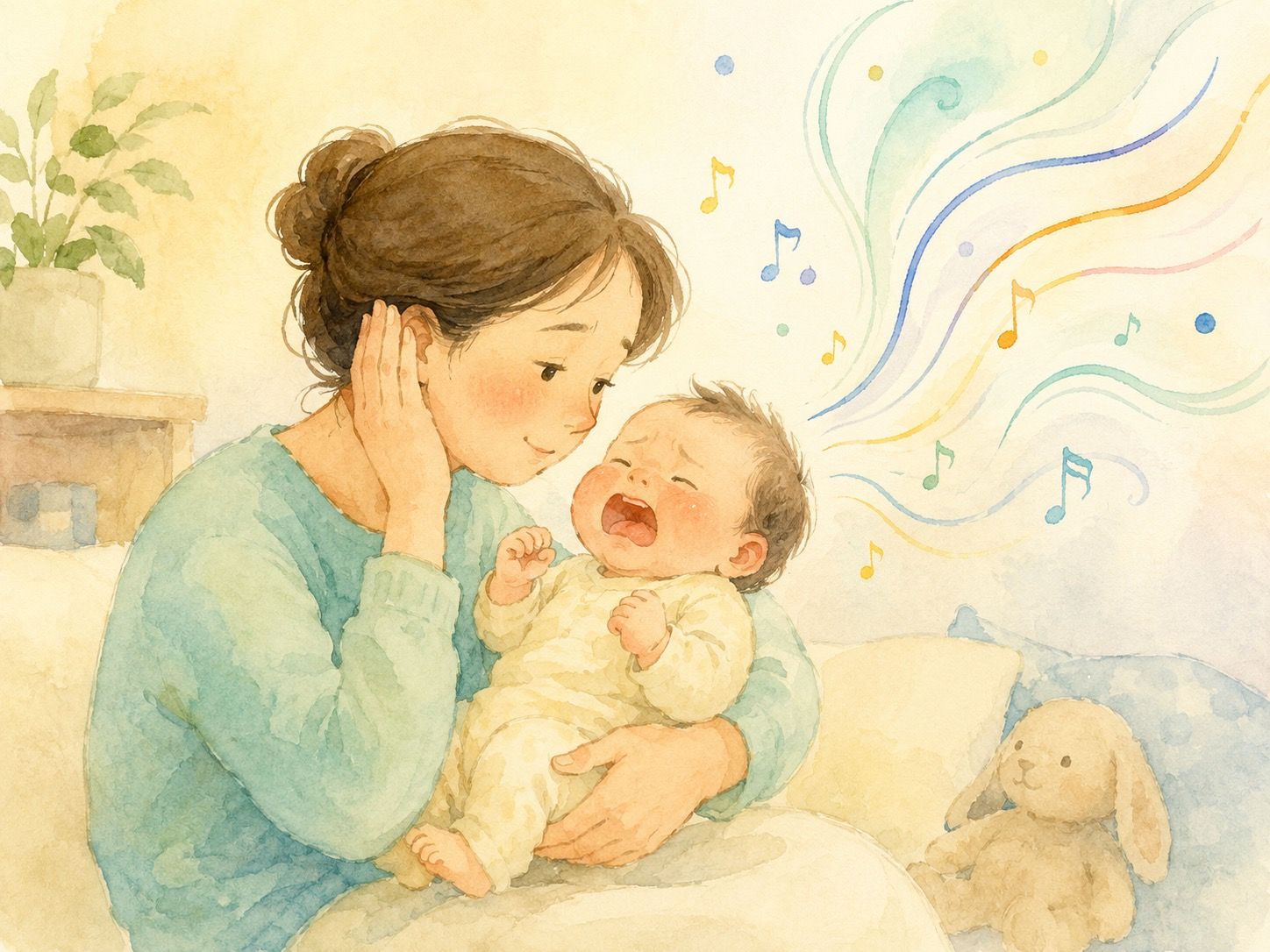
Decoding Baby Cries: Reading Hunger, Sleepy, Discomfort, and Pain by Sound and Body Cues
Baby cries can be read through sound patterns and body cues. Here's how to tell hunger, sleepy, discomfort, and pain apart, the pre-cry signals, why crying peaks around 6 weeks, and 5 soothing moves.

Potty Training Guide | When to Start, Methods & Tips for Success
Potty training works best when you start at your child's readiness signs. From judging the right time to effective potty training and nighttime dryness, a step-by-step guide.
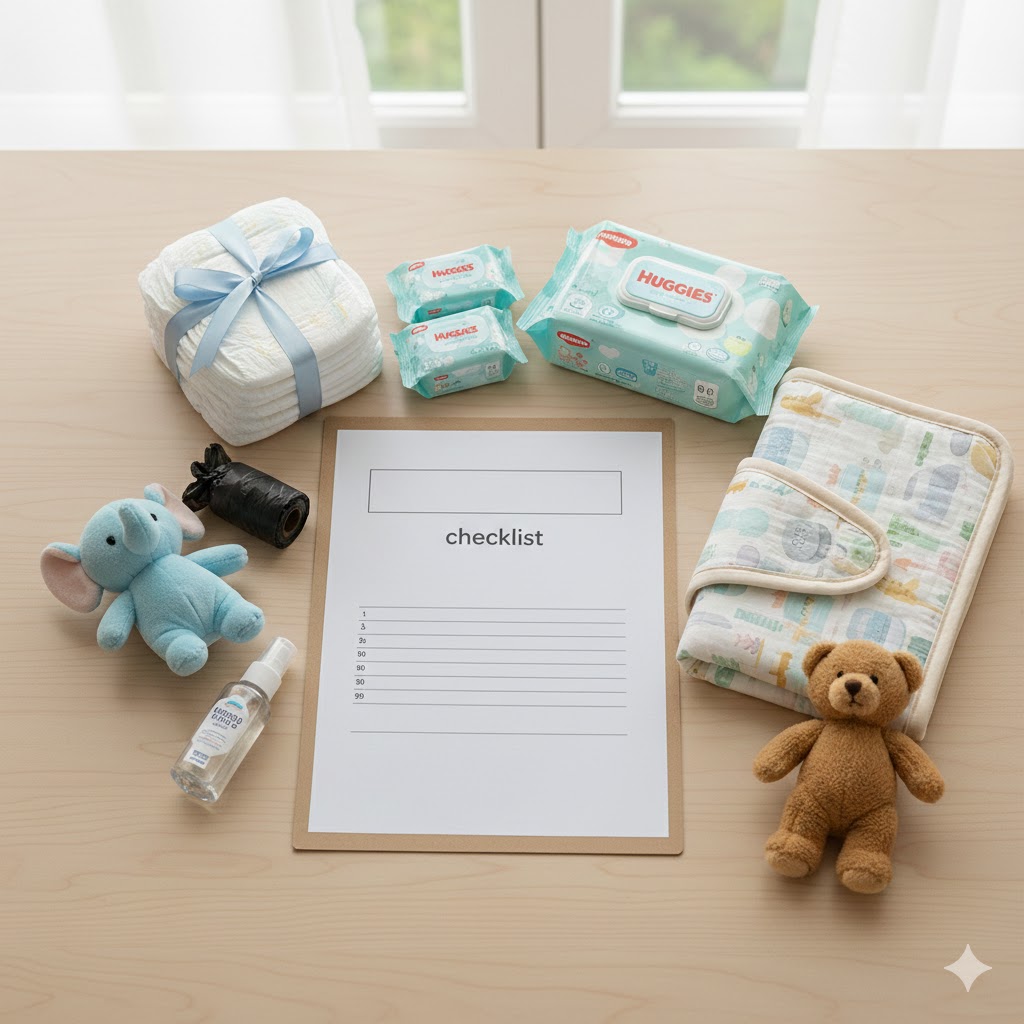
Baby Outing Checklist | Essential Items by Age
Easy-to-forget outing essentials, organized by your baby's age. From diapers and feeding to spare clothes and situational must-haves, pack by this checklist worry-free.