Baby Ear Cleaning Guide | Safe Ear Wax Care & Cotton Swab Warnings
All Your Baby Records in One App
Get Started FreeBaby ear cleaning is a concern for many parents. While it's tempting to clean out visible earwax, a newborn's ear canal is very delicate and can easily be injured. This guide covers safe baby ear cleaning methods, cotton swab precautions, and the important role of earwax.
The Role of Earwax
Earwax isn't dirty; it actually serves important protective functions.
Functions of Earwax
- Blocks dust and foreign particles
- Protects and lubricates ear canal skin
- Inhibits bacteria and fungus growth
- Prevents the ear canal from drying out
When Baby Ear Cleaning is Needed
Cleaning is Appropriate
- When earwax is visible on the outer ear
- When there's moisture around ears after bathing
- When there's buildup behind the ears
Cleaning is Unnecessary
- For earwax deep inside the ear canal
- When no earwax is visible
- When baby shows no discomfort
Safe Baby Ear Cleaning Methods
Supplies Needed
- Soft washcloth or gauze
- Lukewarm water
- Baby-specific cotton swabs (for outer ear only)
- Baby oil (optional)
Step-by-Step Cleaning
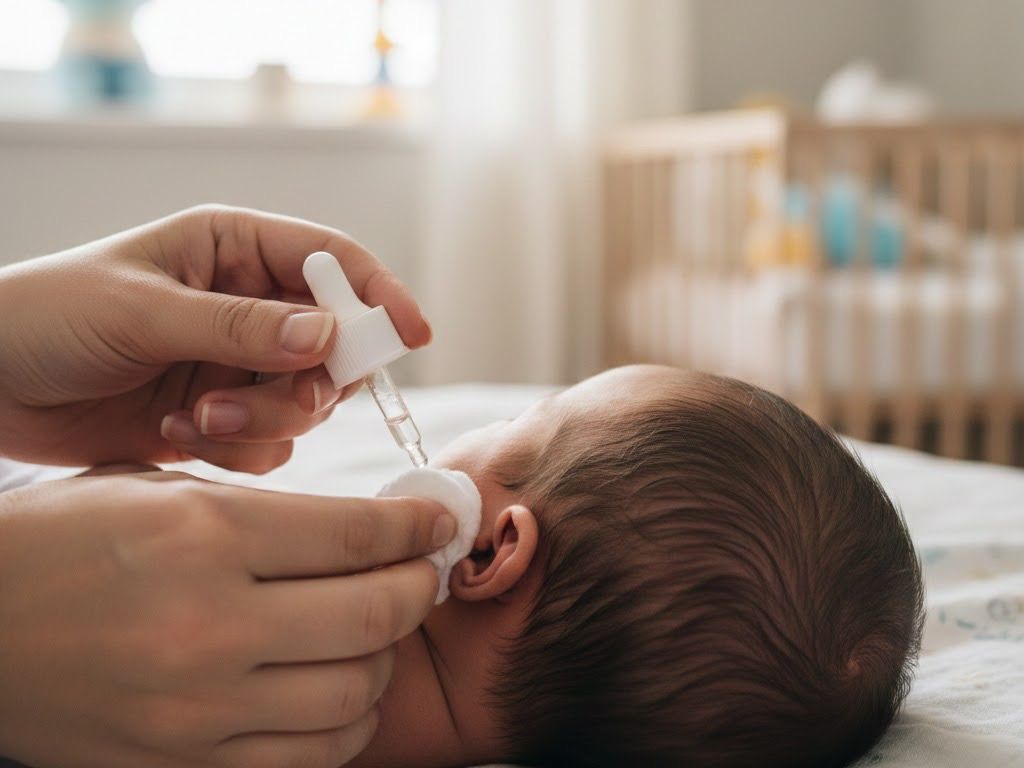
1. Cleaning the Outer Ear
- Dampen a soft cloth or gauze with lukewarm water
- Wring out well so it's not dripping
- Gently wipe the folds of the outer ear
2. Cleaning Behind the Ears
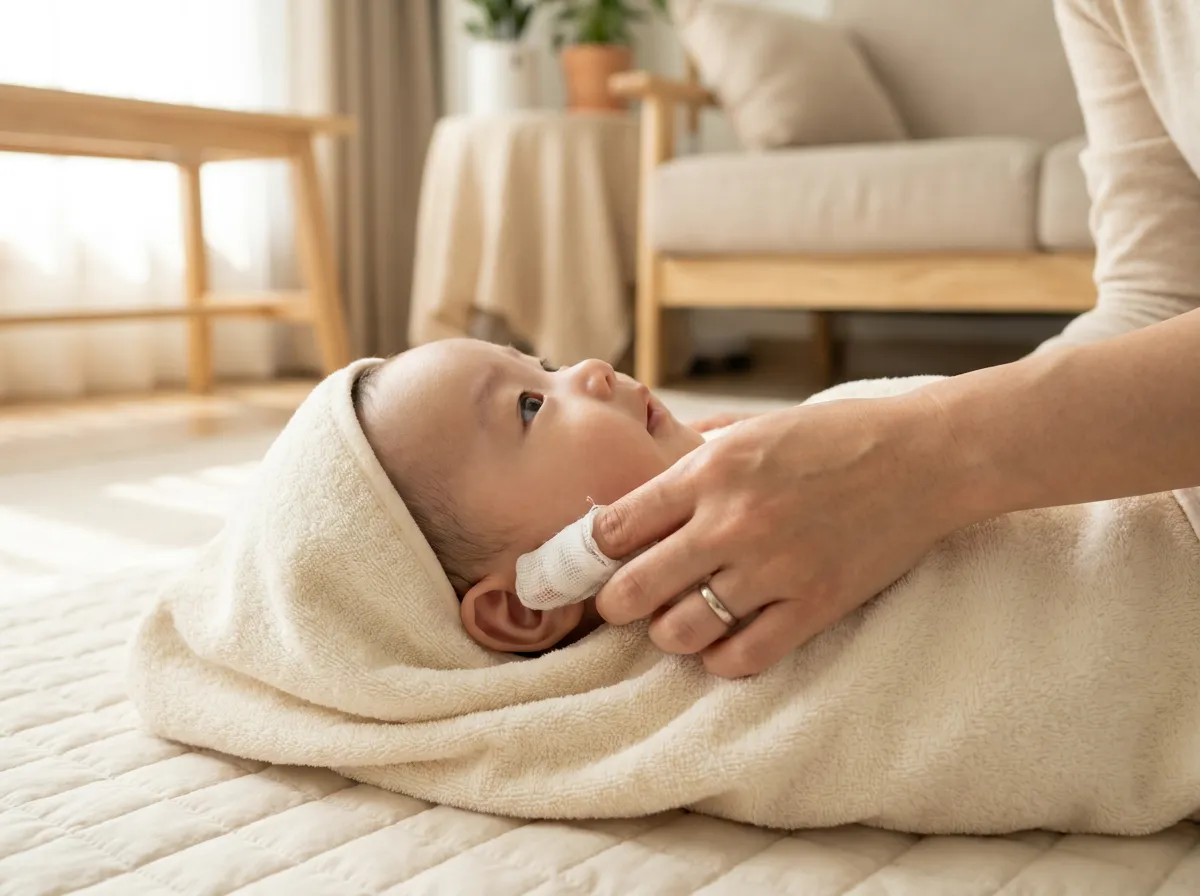
- Behind the ears collects sweat and dead skin easily
- Gently wipe with a damp cloth
- Dry with a clean towel
3. Ear Canal Entrance
- Only wipe visible earwax at the opening
- Don't go deep into the ear canal
- Use baby cotton swabs only within 1cm of the opening
Post-Bath Ear Care
Water may enter the ears during bathing:
- Gently dry the outer ear with a soft towel
- Lightly wipe just the ear opening with a cotton swab
- Never insert anything deep into the ear canal
Cotton Swab Safety Warnings
Improper cotton swab use can be harmful.
Why Cotton Swabs Are Dangerous
| Risk | Explanation |
|---|---|
| Pushing wax deeper | Wax gets pushed in, causing impaction |
| Eardrum damage | Deep insertion risks eardrum perforation |
| Canal injury | Scratches to ear canal skin cause inflammation |
| Infection risk | Bacteria can enter through wounds |
Proper Cotton Swab Use
- Use baby-specific swabs (thinner and shorter than adult swabs)
- Only clean within 1cm of the ear opening
- Gently wipe, don't dig
- Stop immediately if baby moves
When Baby Has Excessive Earwax
Some babies produce more earwax than others.
Why Earwax Increases
- Active metabolism during this stage
- Narrow, curved ear canals make discharge difficult
- Genetic factors (parents' earwax type)
Types of Earwax
- Dry earwax: Flaky form, common in Asians
- Wet earwax: Sticky form, common in Westerners
Handling Excessive Earwax
- Don't force removal
- Wait for natural discharge
- Visit an ENT doctor if baby seems uncomfortable
When to See a Doctor
Seek medical attention if your baby has:
- Earwax blocking the ear canal affecting hearing
- Discharge or pus from the ear
- Strong odor from the ear
- Frequent ear tugging or scratching
- Fever with fussiness
- Not responding to sounds on one side
Ear Infection Prevention & Ear Health
Improper ear cleaning can cause ear infections.
Preventing Ear Infections
- Don't force-clean the ear canal
- Don't bottle-feed while lying flat (prevents milk reflux into ears)
- Avoid secondhand smoke exposure
- Treat colds early
Healthy Ear Habits
- Dry outer ears after bathing
- Allow natural earwax discharge
- Regular pediatric/ENT checkups
Ear Care Tips by Age
| Age | Care Method |
|---|---|
| Newborn to 3 months | Wipe outer ear only with damp gauze |
| 3-6 months | Clean behind ears and outer ear during bath |
| 6-12 months | Encourage natural wax discharge, ENT visit if needed |
| 12+ months | Consult specialist if child shows ear discomfort |

Manage Baby Health with BebeSnap
Track your baby's health systematically with BebeSnap.
- Health Notes: Record ear cleaning schedule and unusual symptoms
- Medical Visit Records: Save ENT appointment history
- AI Chatbot: Get 24/7 answers to ear health questions
Frequently Asked Questions (FAQ)
Q: Can I put a cotton swab inside my baby's ear?
A: No. Inserting a cotton swab pushes earwax deeper, causing impaction, and risks eardrum perforation and ear canal injury. Both the AAP and specialists recommend never inserting cotton swabs into the ear canal. Only gently wipe within 1cm of the ear opening.
Q: Do I need to dig out my baby's earwax?
A: No. Ears have a natural self-cleaning mechanism that pushes earwax outward, so there is no need to dig it out. Earwax actually blocks dust, protects and lubricates the ear canal skin, and inhibits bacteria growth. Only wipe away earwax that is visible.
Q: What should I do when water gets in the ears after a bath?
A: Gently dry the outer ear with a soft towel and lightly wipe just the ear opening with a cotton swab, being careful not to insert anything deep into the canal. Avoiding bottle-feeding while lying flat also helps prevent milk reflux into the ears, which can cause infections.
Q: When should I see an ENT doctor?
A: See a doctor if earwax blocks the ear canal and affects hearing, there is discharge or pus, or a strong odor from the ear. Also visit an ENT if your baby frequently tugs or scratches the ear, has a fever with fussiness, or does not respond to sounds on one side.
References
All Your Baby Records in One App
Feeding, sleep, diapers, growth: every daily record in one place.
See what the app does firstYou Might Also Like
Apple for Babies: Stage-by-Stage Portions and When Raw Apple Is Safe
Spinach for Babies: When to Start, Why Boiling Matters, and the One Time to Skip It
Potato for Babies: When to Start, Safe Shapes, and Why Never to Blend It
Introducing Fish to Your Baby: When to Start, What Order, What to Avoid
You Might Also Like
Decoding Baby Cries: Reading Hunger, Sleepy, Discomfort, and Pain by Sound and Body Cues
Baby cries can be read through sound patterns and body cues. Here's how to tell hunger, sleepy, discomfort, and pain apart, the pre-cry signals, why crying peaks around 6 weeks, and 5 soothing moves.

Baby Ear Infection: Signs, Prevention & Treatment Guide
Baby pulling at ears with fever? 80% of kids get ear infections by age 3. Learn symptoms in babies who can't tell you it hurts.
How to Trim Baby Nails | Newborn Nail Care Tips & Safety Guide
Baby nails grow fast and can scratch the face. The safest time to trim is while they sleep. Learn when and how to trim, tool choices, and key cautions.