Breast Milk Storage Guide | Refrigeration, Freezing & Thawing Tips
Stop Trying to Remember Feed Times
Get Started FreeBreast milk is precious liquid gold that provides optimal nutrition for your baby. Whether returning to work or going out, knowing proper breast milk storage methods ensures your baby can continue receiving breast milk. This guide covers storage duration, refrigeration, freezing, and thawing methods.
Basic Principles of Breast Milk Storage
Follow these essential guidelines for safe breast milk storage.
Before Storage
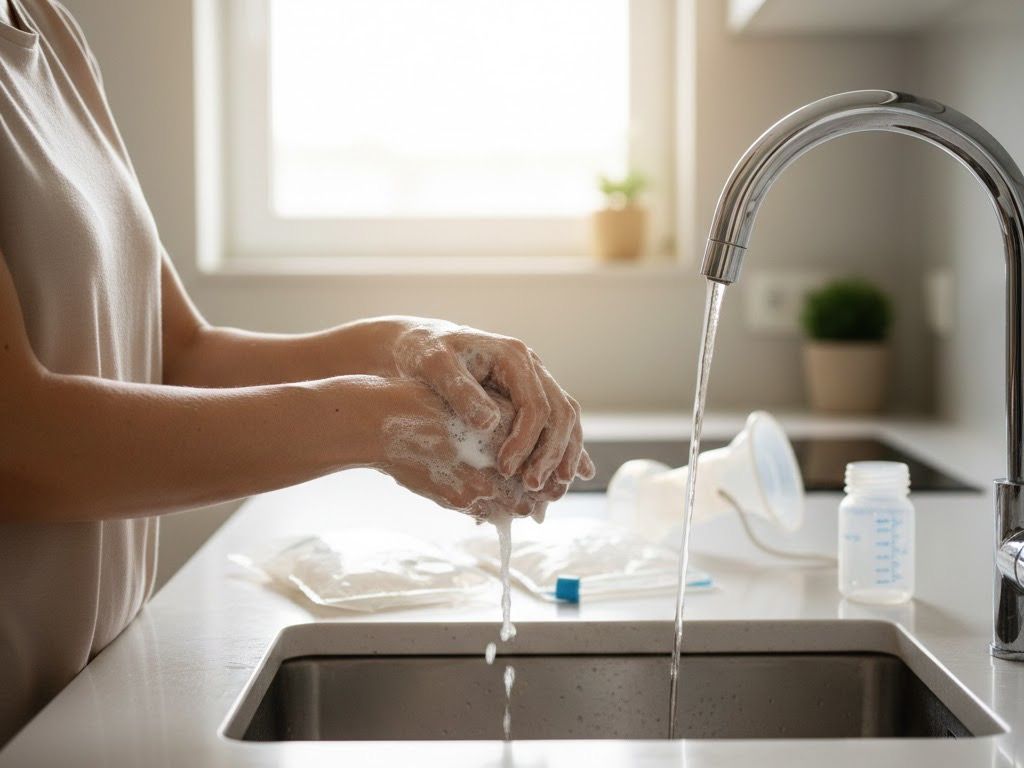
- Wash hands thoroughly with soap
- Sterilize pump parts and storage containers
- Label containers with date and amount
- Don't mix fresh and frozen milk
Recommended Storage Containers
- Breast milk storage bags (single-use)
- BPA-free plastic containers
- Glass containers (caution: may crack when frozen)
Breast Milk Storage Duration by Temperature
Storage duration varies by temperature. Refer to this chart:
| Storage Location | Temperature | Fresh Milk | Thawed Milk |
|---|---|---|---|
| Room Temperature | 77°F (25°C) or below | Up to 4 hours | 1-2 hours |
| Insulated Cooler | 59°F (15°C) | 24 hours | Not recommended |
| Refrigerator | 40°F (4°C) | 4 days (ideal: 3 days) | Within 24 hours |
| Freezer (inside fridge) | 0°F (-18°C) | 6 months | Do not refreeze |
| Deep Freezer | -4°F (-20°C) or below | 12 months (recommended: 6) | Do not refreeze |

Refrigerating Breast Milk
Refrigeration is ideal for short-term storage.
How to Refrigerate
- Place in refrigerator immediately after pumping
- Store in the back of the fridge (not in the door)
- Attach date label
- Use within 3-4 days
Using Refrigerated Milk
- Can be fed cold (if baby accepts it)
- To warm, place in warm water bath
- Never use microwave (destroys nutrients, creates hot spots)
Freezing Breast Milk
Freezing is best for long-term storage.
How to Freeze
- Freeze as soon as possible after pumping
- Portion into 2-4 oz (60-120ml) amounts to minimize waste
- Remove air from bag and seal tightly
- Store in back of freezer
- Organize by date (use oldest first)
Freezing Tips
- Leave space in container (milk expands when frozen)
- Lay bags flat to freeze for space-saving
- Store where freezer door isn't opened frequently
Thawing Breast Milk
Proper thawing preserves nutrients in frozen breast milk.
Recommended Thawing Methods
1. Refrigerator Thawing (Safest)
- Move from freezer to refrigerator the night before
- Takes 8-12 hours
- Use within 24 hours after thawing
2. Running Water Thawing
- Hold sealed container under cool running water
- Gradually increase water temperature
- Takes 30 minutes to 1 hour
3. Warm Water Bath (When Urgent)
- Place container in warm water (below 104°F/40°C)
- Don't use hot water
- Swirl to mix evenly
What NOT to Do When Thawing
- ❌ Microwave (destroys nutrients, creates hot spots)
- ❌ Direct heat or boiling
- ❌ Room temperature thawing (bacteria growth risk)
- ❌ Refreezing (never refreeze thawed milk)
Warming Thawed Breast Milk
Warm thawed milk to body temperature for baby.
How to Warm
- Place container in warm water (below 104°F/40°C)
- Warm for 2-3 minutes
- Gently swirl to mix (don't shake vigorously)
- Test temperature on inner wrist
Ideal Temperature
- Body temperature (97-99°F / 36-37°C)
- Too hot risks burns
- Some babies refuse cold milk
Frequently Asked Questions (FAQ)
Q: The fat has separated in my stored milk, is that okay?
A: Yes, this is completely normal. The creamy fat in breast milk naturally rises and separates from the thinner milk during storage, and it doesn't mean the milk has gone bad. Gently swirl the container to blend the layers back together before feeding, but avoid shaking it vigorously, since that can damage some of the milk's nutrients.
Q: My frozen milk changed color, can I still use it?
A: A yellow, bluish, or slightly different tint is usually normal, since stored and frozen breast milk often varies in color. The reliable test is smell: if the milk smells sour, rancid, or clearly off after thawing, discard it. For the best nutrient and antibody quality, use frozen milk within 6 months, and never refreeze it once thawed.
Q: What about leftover milk from a feeding?
A: Once your baby has started drinking from a bottle, bacteria from their saliva enter the milk, so use that leftover milk within 2 hours and discard whatever remains afterward. Don't return partially fed milk to the refrigerator or freezer to save for later. To reduce waste, store milk in small 2 to 4 oz portions.
Q: Can I mix fresh and frozen milk?
A: Always chill freshly pumped milk in the refrigerator first, then add it to already-cold milk. Never pour warm, fresh milk directly onto frozen milk, because it can partially thaw the frozen layer and encourage bacterial growth. As a general rule, avoid combining fresh and frozen milk, and label every container with the date so you use the oldest first.
Tips for Storing Milk While Out
What to Bring
- Insulated cooler bag
- 2-3 frozen ice packs
- Breast milk storage bags or containers
- Extra bottles
Storage Method
- Surround milk with ice packs in cooler bag
- Can store 24 hours if kept below 59°F (15°C)
- Refrigerate or freeze immediately upon arrival
Manage Breastfeeding with BebeSnap
Systematically manage pumping and storage with the BebeSnap app.
- Pumping Log: Record pump time, amount, and which side
- Storage Tracking: Track refrigerated/frozen milk dates and amounts
- Feeding Log: Analyze direct nursing vs bottle feeding patterns
- Reminders: Alerts for pump times and storage expiration
- AI Chatbot: Get answers to breastfeeding questions
👉 Learn how to use BebeSnap Feeding Record
References
Stop Trying to Remember Feed Times
Log time, amount, and intervals. BebeSnap turns them into your baby's daily pattern.
See what the app does firstMedical Disclaimer: This article is for informational purposes only and does not replace professional medical advice. If you have concerns about your baby's health, please consult a pediatrician.
You Might Also Like
Wonder Weeks Calculator: Your Baby's 10 Mental Leaps From the Due Date
Baby Weight Gain Calculator: Grams Per Day From Two Weigh-Ins
Baby Impetigo: Golden Crusts, Antibiotic Treatment, and When Nursery Is Safe Again
Baby Mouth Sores (Stomatitis): Causes, How to Tell Them Apart, and Dehydration Signs
You Might Also Like
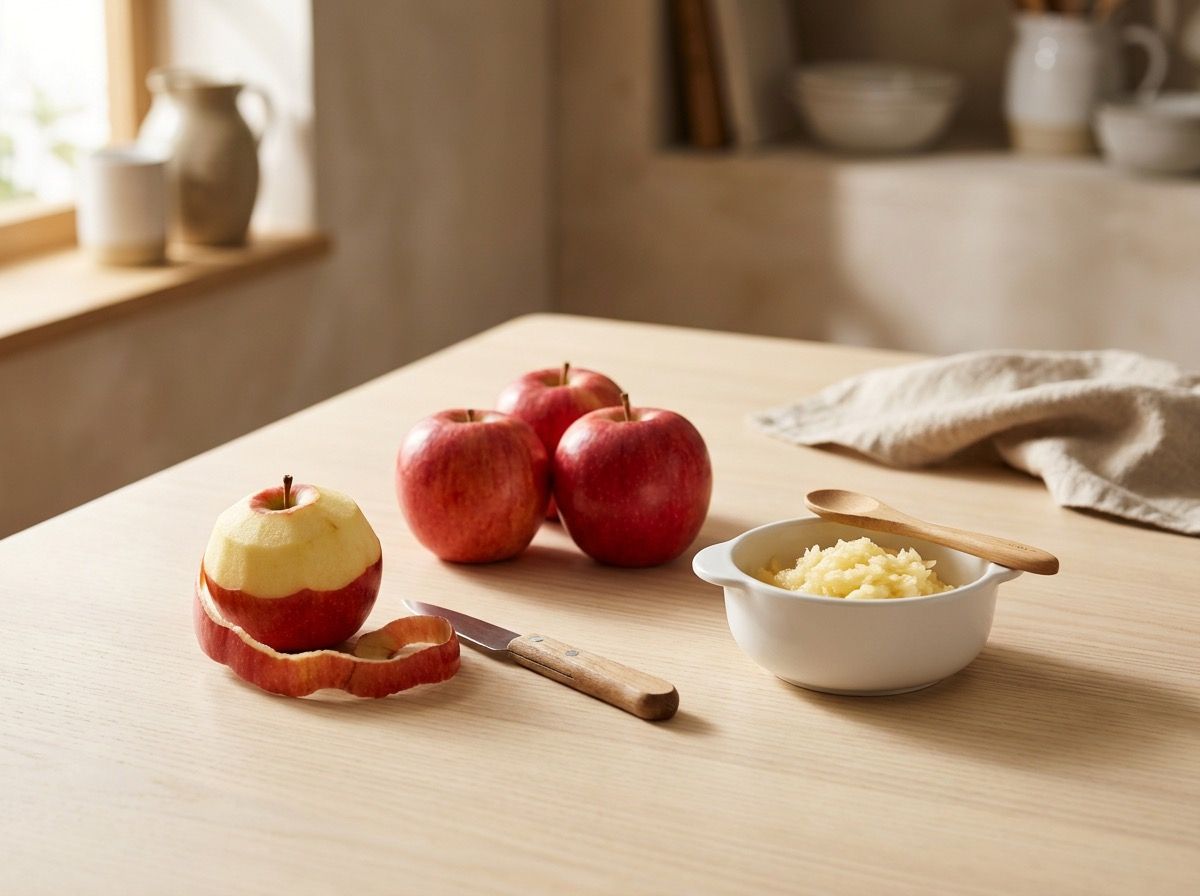
Apple for Babies: Stage-by-Stage Portions and When Raw Apple Is Safe
Apple can start in the first weaning stage, grated and cooked. Portions are 20-30g at 7-8 months and 30-40g at 9-11 months, counted together with vegetables. Front teeth bite, but the molars that grind only start coming in at the end of weaning.
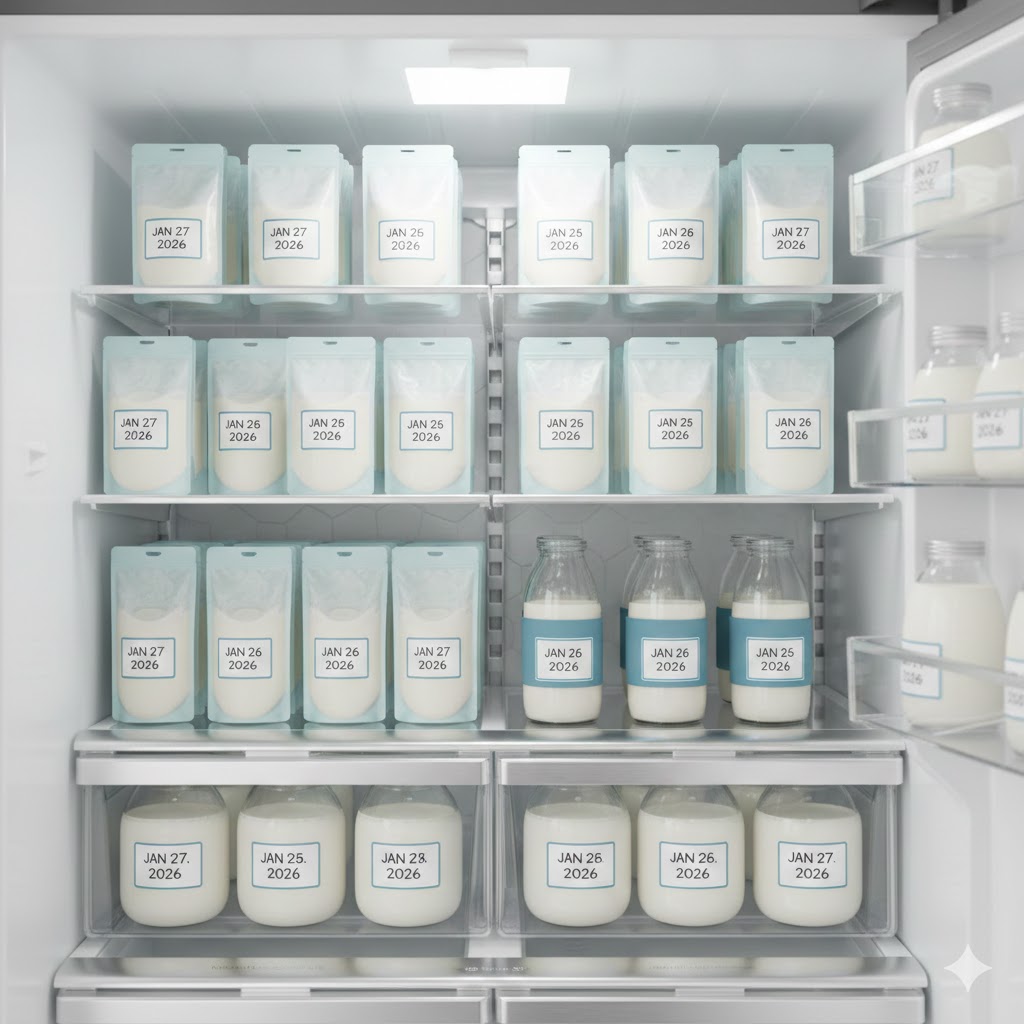
Breast Milk Storage Times: Room 4hrs, Fridge 4 Days, Freezer 6 Months
How long can you store breast milk? CDC says: room temp 4hrs, fridge 4 days, freezer 6 months. Plus thawing and warming tips.
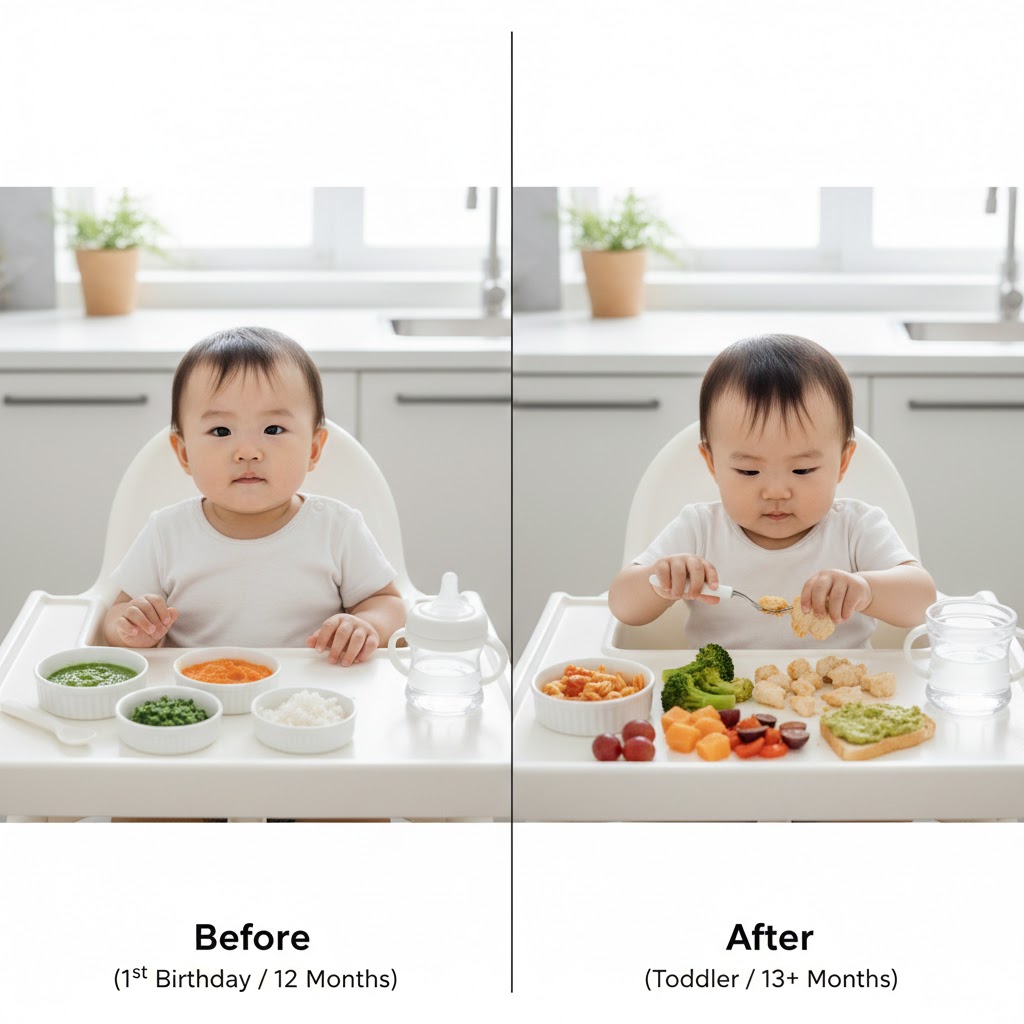
Toddler Meals: Transitioning from Baby Food to Family Meals
First birthday = solid food graduation! But adult food is risky. Learn safe transitions with seasoning and texture adjustments.