Sibling Jealousy & New Baby Regression | Potty Accidents, Baby Talk: What to Do

All Your Baby Records in One App
Get Started FreeAfter your second baby arrived, did your potty-trained older child suddenly start having accidents and begging "Mommy, hold me" like a baby again? Here's the short answer: this is normal regression, and it almost always passes with time. Your firstborn isn't broken; they're signaling "see me too." This guide walks through the most common situations and exactly what to do in each.
Why Does My Older Child Suddenly Act Like a Baby?
When a new baby arrives, your older child has to share the parental attention they once had all to themselves. That shift feels like "my spot got taken", an unsettling loss. Research shows that children as young as 18 months can show signs of jealousy when they sense competition for a parent's attention. In other words, jealousy and regression are proof of how much your child loves and depends on you, not a sign of bad behavior.
The key is to receive their feelings first, instead of scolding. If you snap "You're a big kid, why are you acting like this?" when they imitate the baby, their anxiety only grows. You'll notice a common thread across the situations below: reassurance comes before correction.
💡 Your older child's regression is a request for attention. Fill their emotional tank first, and the behavior fades on its own, long before any "fixing" is needed.Situation 1: Sudden Potty Accidents
Has your long-since potty-trained child started wetting themselves again since the baby came? It's one of the most common forms of regression. They aren't pretending to forget a skill they have; they're briefly slipping back to babyhood when they feel anxious.
Here's what to do
- Manage your face first: no sighs or scolding, just a calm "It's okay, let's change."
- Praise the dry days generously: "You're so grown up!" builds pride in being a big sibling.
- Go to the bathroom together and use it as one-on-one time.
- Never compare to the baby ("Your sibling doesn't do this" is off-limits).
If you scold the accidents, your child may conclude "so being a baby gets attention" or "I'm the one nobody likes," which can drag it out. In most cases things return to normal within days to a few weeks.
Situation 2: Baby Talk and Wanting to Be Held
Has your clearly-speaking child suddenly switched to babble-like baby talk, asking for a bottle or to be carried? This is classic regression too. The logic is "babies get held by mom, so I'll be a baby too."
Here's what to do
- Indulge it briefly: holding and babying them now and then confirms "my love is unchanged."
- At the same time, highlight the perks of being older: "Big kids get to share ice cream," "Let's go to the playground the baby can't visit yet."
- Give a "special job": fetching diapers or singing to the baby gives a big-sibling role that feeds self-worth.
- Don't treat their request to be held as a nuisance, answer it daily, even briefly.
Situation 3: Hitting or Pinching the Baby
This is the most alarming one; your older child pinching the sleeping baby or trying to hit them. Firmly stop dangerous behavior, but keep the balance of not branding your firstborn a "bad kid."
Here's what to do
- Stop the action immediately and firmly: a short, clear "No hitting" (no yelling).
- Then name the feeling: "You felt upset because of the baby" labels the emotion.
- Never leave them alone with the baby: very young children can't control their strength, so safety comes first.
- Praise gentle moments instantly: growing good behavior works faster than scolding.
Don't read hitting as a character flaw. It's usually a clumsy way of saying "see me too." As your attention fills their tank, the aggression eases.
What Should I Prepare Before the Birth?
This regression is much easier to handle when you prepare before the baby arrives. The American Academy of Pediatrics recommends involving your older child naturally during pregnancy.
| Helpful words & actions | What to avoid |
|---|---|
| "You'll have someone to play with" | "You have to give your room to the baby" |
| Read big-sibling picture books together | Big environment changes right before birth |
| Practice baby care with a doll | "You'll be in trouble a lot once baby comes" |
| Be honest: "Babies cry a lot and need care" | Labeling regression as "spoiled" behavior |

Finish big transitions like potty training or moving to a separate bed a few months before the birth, or postpone them until after. When changes pile up at the same time as the baby, your older child easily feels "the baby took my things away." Separation anxiety can surface alongside this too, which we cover in detail in our separation anxiety guide.
How Long Does It Last? When to See a Professional?
The big question. This regression is usually temporary. One Japanese survey found it lasted about 5.3 months on average, with wide variation; some children settle within a month, others take over a year. By age, it typically smooths out around age 4.
The most powerful remedy is surprisingly simple: just 10 minutes a day of one-on-one time with your older child. The AAP also recommends spending individual time with each child every day. A short window where you hand the baby to a partner or grandparent and focus entirely on your firstborn beats any amount of lecturing.
That said, consider seeing a pediatrician or specialist if:
- Regression lasts more than 6 months or keeps worsening
- Aggression toward the baby is uncontrolled and dangerous
- Sleep, appetite, or daily life is seriously disrupted
Managing Two Kids' Routines with BebeSnap
Raising two at once, it's easy to lose track of who ate or slept when. That's where records help.
- Multi-child tracking: Log feeding, sleep, and diapers separately for both children in one app
- Shared routines: Share records with your partner or grandparents to split up "one-on-one time"
- AI chatbot: Ask about worries like regression anytime
Frequently Asked Questions (FAQ)
Q: How long does my older child's regression last?
A: It's usually temporary. One Japanese survey found it lasted about 5.3 months on average, with wide individual variation; some children settle within a month, others take over a year. By age, it typically smooths out around age 4. If it lasts more than 6 months or worsens, consider seeing a professional.
Q: My older child has potty accidents since the baby came (should I scold them?
A: Don't scold. It's normal regression) briefly slipping back to babyhood when anxious. Skip the sighs and just say "It's okay, let's change," then praise the dry days generously. Comparing them to the baby actually prolongs it. Things usually return to normal within days to a few weeks.
Q: My older child tries to hit the baby. How do I stop it?
A: Stop hitting immediately with a short, firm "No," but don't yell. Then name the feeling: "You felt upset." Very young children can't control their strength, so never leave them alone together, and praise gentle moments right away. It's usually their clumsy way of asking to be seen too.
Q: Is there anything helpful to do before the birth?
A: Yes. Finish big changes like potty training or moving to a separate bed a few months before, or postpone them until after. Read big-sibling picture books together, practice baby care with a doll, and be honest that "babies cry a lot." The key is not stacking major changes on top of the birth.
References
All Your Baby Records in One App
Feeding, sleep, diapers, growth: every daily record in one place.
See what the app does firstYou Might Also Like
Tomato for Babies: When to Start, Skin and Seeds, and Why Cherry Tomatoes Are Never Served Whole
Apple for Babies: Stage-by-Stage Portions and When Raw Apple Is Safe
Spinach for Babies: When to Start, Why Boiling Matters, and the One Time to Skip It
Potato for Babies: When to Start, Safe Shapes, and Why Never to Blend It
You Might Also Like
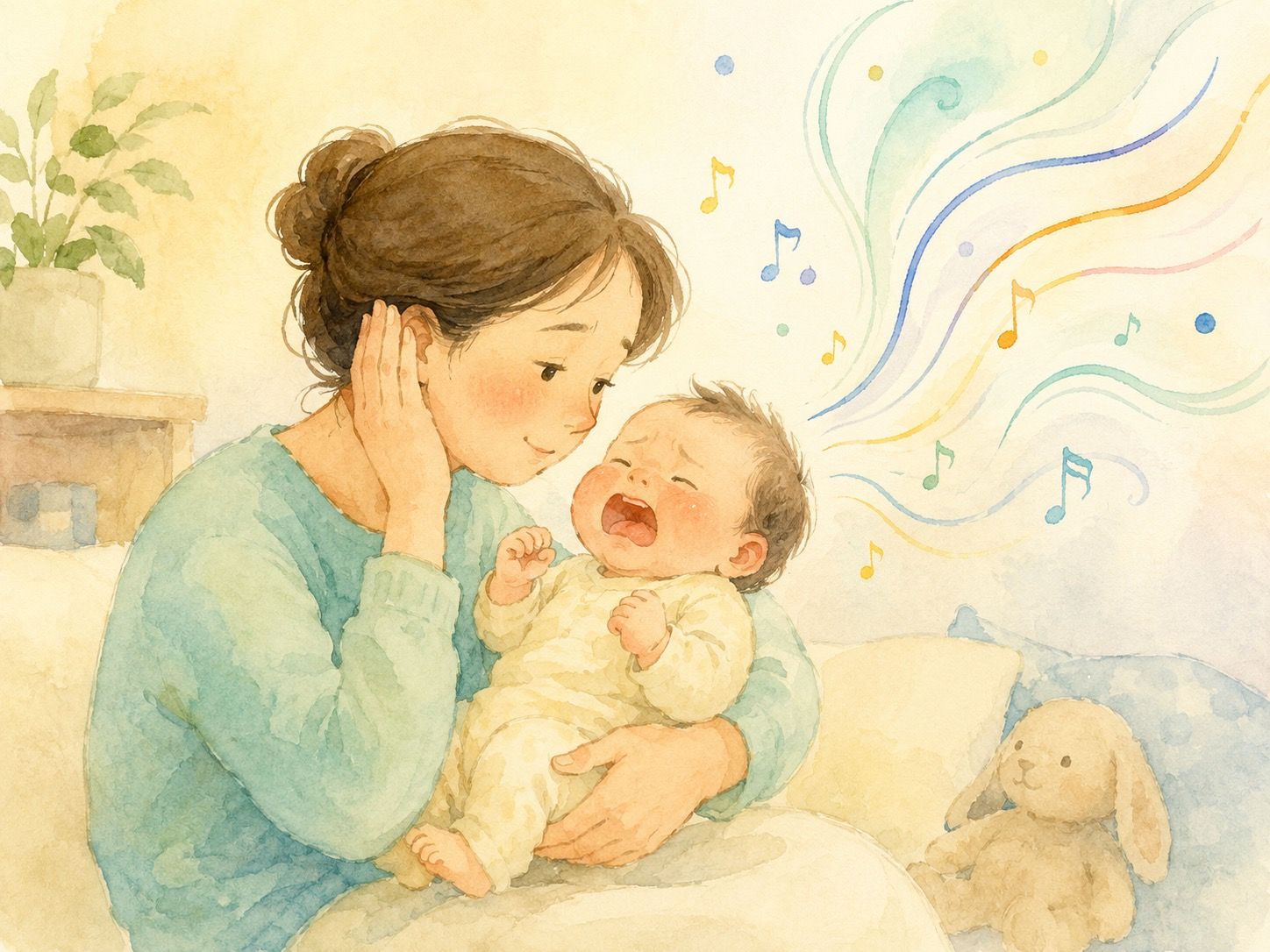
Decoding Baby Cries: Reading Hunger, Sleepy, Discomfort, and Pain by Sound and Body Cues
Baby cries can be read through sound patterns and body cues. Here's how to tell hunger, sleepy, discomfort, and pain apart, the pre-cry signals, why crying peaks around 6 weeks, and 5 soothing moves.
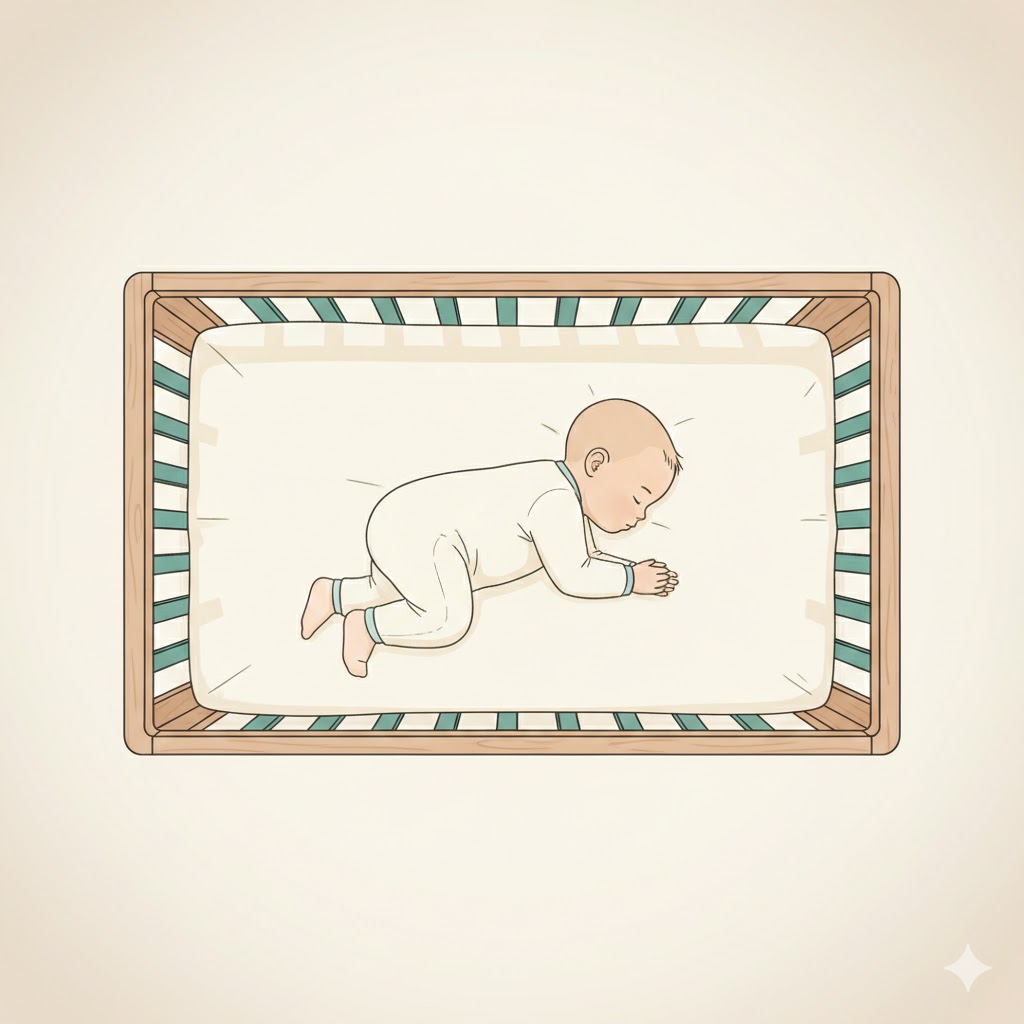
SIDS Prevention: 7 Safe Sleep Rules Every Parent Must Know (AAP Guidelines)
SIDS is the leading cause of death in babies aged 1-12 months. The AAP's safe sleep guidelines can reduce risk by up to 50%. Here are 7 essential rules every parent must know.
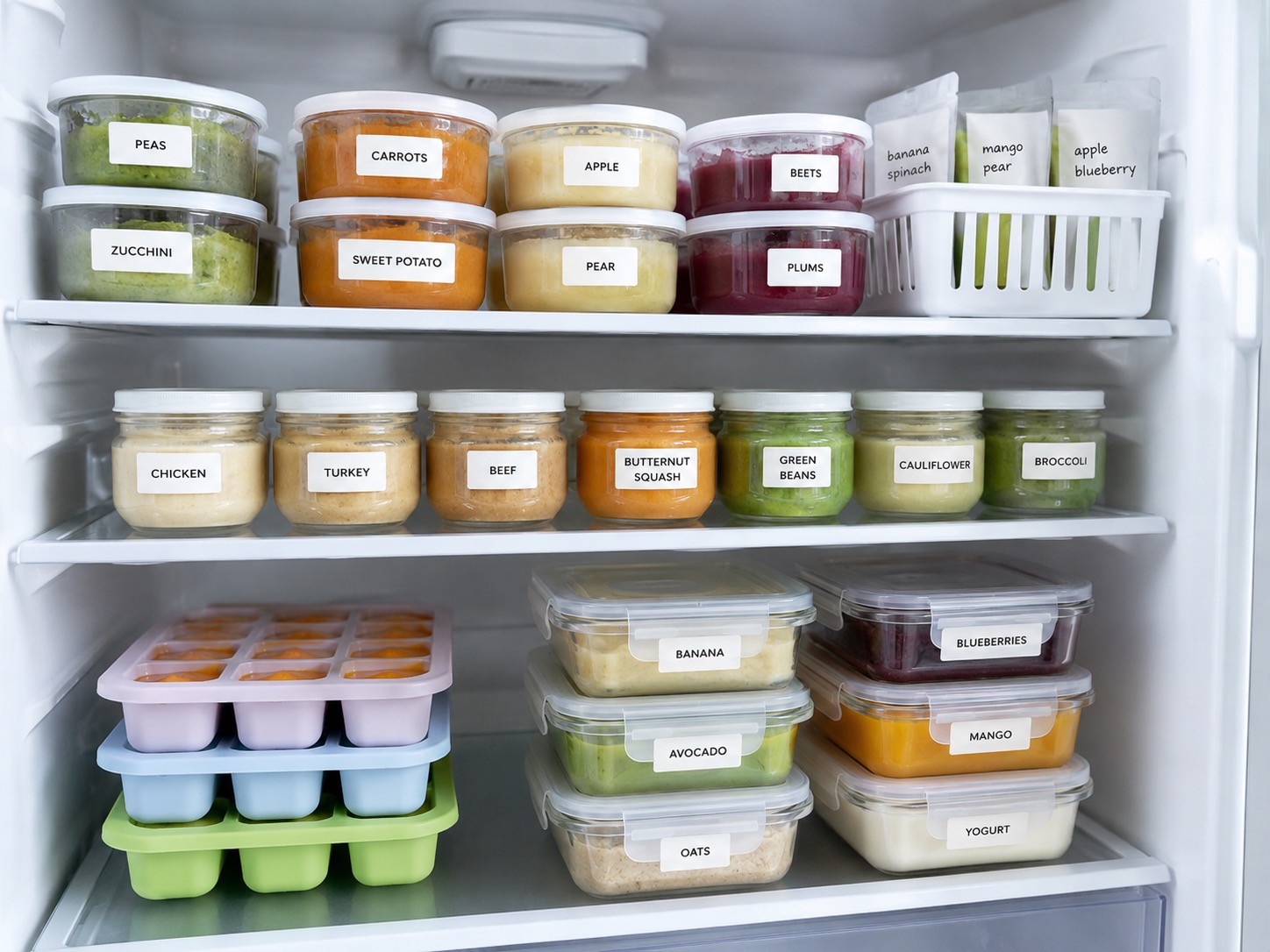
Baby Food Storage Guide: How Many Days in the Fridge, Months in the Freezer, and Safe Reheating
Homemade baby food keeps 1–2 days in the fridge and 1–3 months frozen. Here's a clear guide to cube portioning, thawing, and reheating.