When to Start Solids: WHO's 6-Month Guidance and 4 Readiness Signs
Stop Trying to Remember Feed Times
Get Started FreeToday, we're diving into a crucial topic: 'A to Z Guide to Starting Solids for Your Baby'.
(Honestly, I was so nervous when I started this journey... You might feel the same!)
So, let's tackle this big concern for parents - your baby's first solid foods!
Ready to explore how to get started?
Are you prepared?
Let's go! 😎
Why is Starting Solids Important?
Did you know that starting solids is more important than you might think? (I didn't know at first either 😅)
Why is it so crucial?
- Nutritional Supplement: Breast milk or formula alone becomes insufficient at this stage.
- Taste Development: Experiencing various flavors helps develop palate. (The secret to avoiding picky eaters!)
- Chewing Ability: Adapting to solid foods develops jaw and tongue muscles.
- Digestive System Maturation: The ability to digest various foods develops.
- Allergy Prevention: Early exposure to diverse foods may reduce allergy risks!
When to Start Solids
WHO Recommended Timing
- Around 6 months (FYI: Some experts say it's okay to start between 4-6 months. Observe your baby's readiness!)
Signs Your Baby is Ready
- Can stay in a sitting position and hold their head steady
- Can look at food, pick it up and bring it to their mouth
- Shows interest in food (Tries to grab your food!)
- Doesn't push the spoon out with their tongue
Checklist for Starting Solids
- Baby food preparation tools (blender, grater, etc.)
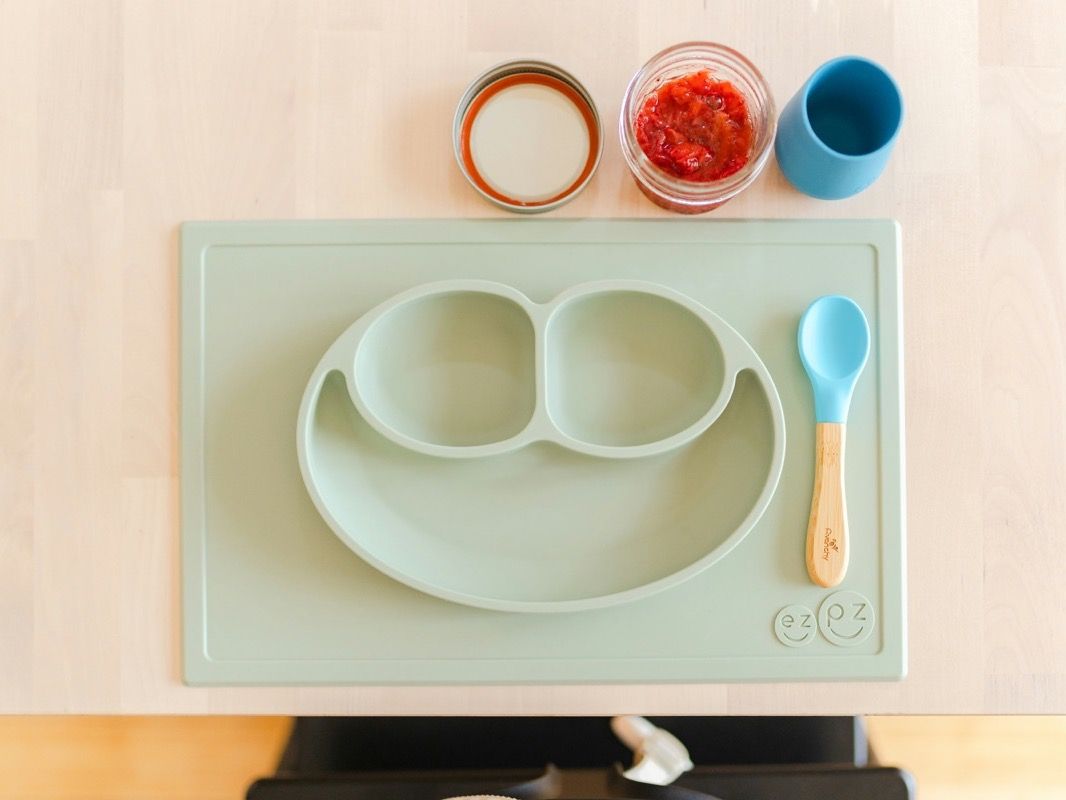
- Baby bowls and spoons (Silicone recommended!)
- Bibs and aprons (Trust me, you'll need these!)
- Dedicated fridge and freezer space
- Oven or steamer (For cooking methods like baking or steaming)
- Food storage containers (Glass or stainless steel recommended)
Stage-by-Stage Solid Food Guide
Stage 1 (4-6 months)
- Start with single ingredients (rice cereal, sweet potato, pumpkin puree)
- Thin, runny consistency (Should drip off the spoon)
- 1-2 times a day, 1-2 teaspoons each
Stage 2 (7-8 months)
- Combine two or more ingredients (veggie+grain, fruit+grain)
- Thicker consistency
- 2-3 times a day, 2-3 tablespoons each
Stage 3 (9-11 months)
- Mix various ingredients (offer meat and fish in small amounts from early on for iron; now increase the amount and variety)
- Soft, lumpy texture
- 3 times a day, about 1/2 cup each
Stage 4 (12 months and beyond)
- Similar to family foods (mashed or finely chopped)
- Regular food consistency
- 3 times a day, about 1 cup each
Top 5 Baby Food Recipes
1. Sweet Potato Puree
- Ingredients: 1/4 sweet potato, 1/2 cup water
- Method: Steam, mash, and blend with water.
2. Butternut Squash and Cabbage Puree
- Ingredients: 1/4 butternut squash, 2 cabbage leaves, 1/4 cup water
- Method: Steam and blend together.
3. Tuna and Vegetable Porridge
- Ingredients: 1/4 cup cooked rice, 1 tbsp tuna, 1/4 each of carrot and zucchini, 1/2 cup water
- Method: Mince veggies, cook with rice and tuna.
4. Beef and Broccoli Risotto
- Ingredients: 1/3 cup cooked rice, 1 tbsp minced beef, 3 broccoli florets, 1 cheese slice
- Method: Cook all ingredients, top with cheese.
5. Fruit Yogurt Smoothie
- Ingredients: 1/2 cup yogurt, 1/2 banana, 1/4 apple
- Method: Peel the apple and cook it until soft, then mash it with the banana and mix with yogurt. Raw apple pieces are a choking hazard.
Precautions When Starting Solids
- Allergy Awareness: Follow the 4-day rule for new foods. (Observe for 4 days with the same ingredient)
- Hygiene: Keep utensils and hands clean!
- No Force-Feeding: Respect your baby's pace.
- Texture Progression: Adjust consistency according to stages.
- Positive Atmosphere: Make mealtimes enjoyable, not stressful!
- No Honey Before Age 1: Honey can cause infant botulism, so don't give it before 1 year old. Eggs don't need to wait; offer them well cooked, starting with small amounts.
Frequently Asked Questions (FAQ)
Q: What should I do if my baby refuses solid food?
A: Don't force it. Change the mealtime atmosphere and try again, or consider delaying solids for a bit if refusal continues. Every baby is ready at a different time, so try not to stress about it.
Q: What should I do if my baby vomits while eating solids?
A: First check whether the food's consistency and the amount per spoonful are appropriate, since food that is too thick or portions that are too large can trigger vomiting. Call 911 if vomiting comes with hives, facial swelling, wheezing, or limpness, or if the vomit is green or bloody. For repeated, forceful vomiting (sometimes hours after a new food), or vomiting that continues after you adjust these, call your pediatrician right away.
Q: My baby became constipated after starting solids. How can I help?
A: If your baby becomes constipated after starting solids, increase their fluid intake and offer fruit or vegetable purees alongside their meals. Gently massaging your baby's tummy in a clockwise direction also helps stimulate bowel movements. Some constipation is common as your baby's digestive system gets used to handling new solid foods.
Q: How long can I store prepared baby food?
A: Refrigerate for up to 48 hours and freeze for up to 1 month. Nutrients and freshness decline over time, so feeding it fresh is always best.
Conclusion
Thank you for joining me on this long journey! (You've done great! 👏)
Starting solids can be challenging and overwhelming. But remember,
this phase will pass quickly. (Hard to believe, but it's true!)
There's no such thing as perfect baby feeding.
We're all learning through trial and error.
So, don't stress too much.
You're already doing a fantastic job! 👍
And don't forget, BebeSnap is always here for you.
Use our app if you're unsure about starting solids or your baby's reactions.
Together, we can get through this challenging phase! Cheering for your parenting journey. You've got this! 💪
👉 Learn how to use BebeSnap Feeding Record
References
Stop Trying to Remember Feed Times
Log time, amount, and intervals. BebeSnap turns them into your baby's daily pattern.
See what the app does firstMedical Disclaimer: This article is for informational purposes only and does not replace professional medical advice. If you have concerns about your baby's health, please consult a pediatrician.
You Might Also Like
Wonder Weeks Calculator: Your Baby's 10 Mental Leaps From the Due Date
Baby Weight Gain Calculator: Grams Per Day From Two Weigh-Ins
Baby Impetigo: Golden Crusts, Antibiotic Treatment, and When Nursery Is Safe Again
Baby Mouth Sores (Stomatitis): Causes, How to Tell Them Apart, and Dehydration Signs
You Might Also Like
Tomato for Babies: When to Start, Skin and Seeds, and Why Cherry Tomatoes Are Never Served Whole
Tomato can start at 5-6 months once the skin and seeds are removed and it is cooked. Portions run 20-30g at 7-8 months and 30-40g at 9-11 months, counted together with fruit. Cherry tomatoes are the one vegetable Japan's childcare guidance names by name as something not to serve whole.

10-11 Month Baby Development Guide: Milestones, Activities & Feeding
Your 10-11 month old is pulling to stand, cruising, mastering the pincer grasp, and maybe saying their first words! A complete guide to gross motor, fine motor, cognitive, language, and social milestones plus play activities.
🍼 Bottle Nipple Size Guide
Bottle nipples need to match your baby. Flow rates and stages that cause choking or overfeeding, sizing by age, and when to switch stages: here's how to choose the right nipple.