Baby Screen Time Guide: AAP & WHO Guidelines and Smart Media Use
All Your Baby Records in One App
Get Started FreeShould you let your baby watch smartphones or TV? One of the 2026 parenting trends is "screen-free parenting." The American Academy of Pediatrics(AAP) and World Health Organization(WHO) provide clear guidelines on screen time for infants and toddlers. Here's everything you need to know about age-appropriate recommendations and smart media use.
AAP & WHO Screen Time Guidelines
Guidelines by Age
| Age | AAP Recommendation | WHO Recommendation |
|---|---|---|
| 0-18 months | No screen time (except video chat) | Screen time not recommended |
| 18-24 months | With parent, high-quality content only | None for 1yo, under 1hr for 2yo |
| 2-5 years | 1 hour or less, high-quality content | 1 hour or less, less is better |
Why These Guidelines?
According to the American Academy of Pediatrics(AAP):
- Children under 2 have difficulty applying what they see on screens to the real world
- Direct interaction with parents/caregivers is far more important for development
- Screens can interfere with parent responsiveness and bonding
How Screen Time Affects Babies
Potential Negative Effects
| Area | Impact |
|---|---|
| Language Development | More screen time linked to increased risk of language delays |
| Sleep | Blue light suppresses melatonin; screens before bed are especially harmful |
| Physical Activity | Sedentary screen time replaces active play |
| Attention | Fast-paced screens may affect attention development |
| Parent-Child Interaction | Screens replace conversation and play time |

Screen vs Real Learning
How children under 2 learn best:
- Effective: Conversation with parents, play, exploration
- Ineffective: Educational apps, videos (limited transfer at this age)
Research shows young children struggle to learn from screens unless a parent watches with them and explains the content.
Why Video Chat is the Exception
Why AAP Allows Video Chatting
| Regular Screens | Video Chat |
|---|---|
| One-way communication | Two-way communication |
| No interaction | Real-time responses and interaction |
| Passive viewing | Active participation |
| Cannot replace | Builds bonds with distant family |
Video Chat Tips
- Parent participates and guides conversation
- Regular video calls with grandparents
- Keep it short when baby isn't tired
Realistic Screen Time Management
"Smart Use" Over "Perfect Ban"
Realistically, 100% screen-free may be difficult. What matters is:
1. Under 18 months
- Avoid as much as possible
- Video chat is the only exception
- Understand necessary moments (medical situations, etc.)
2. 18-24 months
- Parent must watch together
- Select high-quality educational content
- Connect what's watched to real play
3. 2 years and older
- Limit to 1 hour or less per day
- "What" they watch matters more than duration
- Watch together and discuss
Situations to Avoid
Always avoid:
- Screens to put baby to sleep (harms sleep)
- Screens to soothe (creates dependency)
- Screens during meals (disrupts eating habits)
- Screens 30-60 minutes before bed
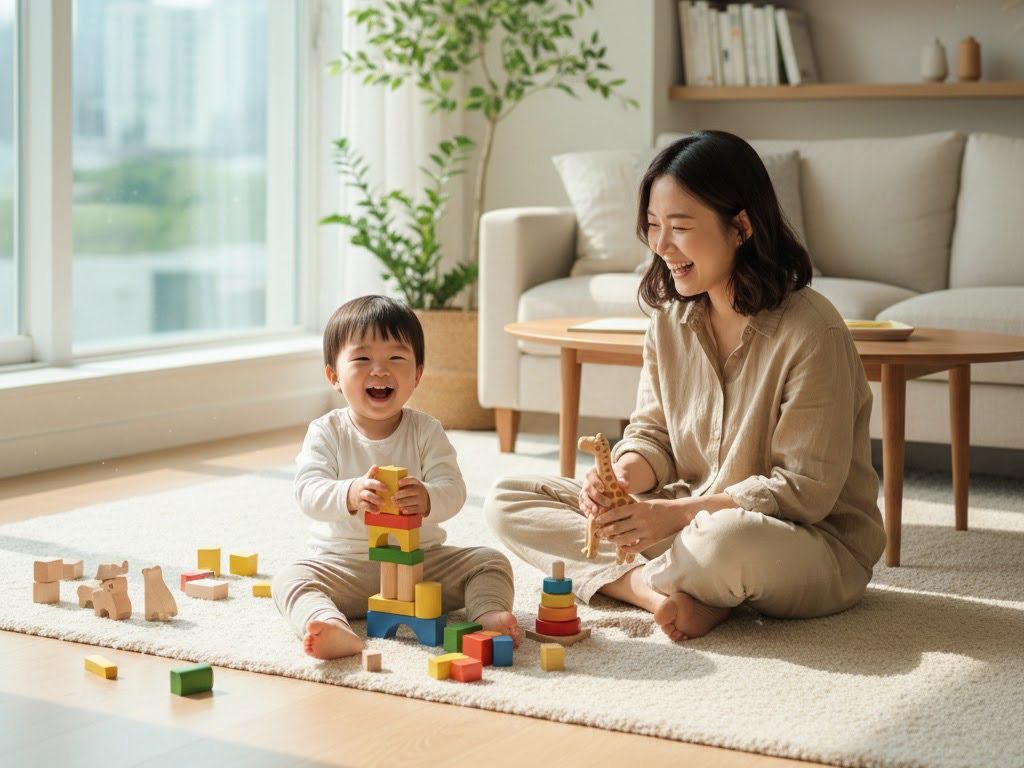
Screen-Free Activities with Baby
Age-Appropriate Activities
| Age | Recommended Activities |
|---|---|
| 0-6 months | Face-to-face talking, singing, tummy time, black & white books |
| 6-12 months | Peekaboo, stacking blocks, reading books, simple instrument play |
| 12-18 months | Ball play, sand play, water play, outdoor walks, animal sounds |
| 18-24 months | Pretend play, puzzles, drawing, play dough, hide and seek |
2026 Trend: Analog Parenting
"Analog parenting" is trending among parents:
- Wooden toys, traditional games
- Outdoor activity focus
- Allowing "boredom"
- Prioritizing creative play time
Your Screen Time Matters Too
Smartphone Use Around Baby
Research shows parental phone use affects babies:
- Less interaction when parent is on phone
- Baby may cry more to get parent's attention
- Reduced responsiveness affects attachment
Practical Tips
- Put phone down during feeding/meals
- Declare "phone-free time" during play
- Set phone to important notifications only
- Check social media when baby is asleep
Frequently Asked Questions (FAQ)
Q: Aren't educational apps okay?
A: For babies under 2, even apps labeled "educational" have limited effectiveness, because children this young struggle to apply what they see on a screen to the real world. According to the American Academy of Pediatrics (AAP), real-world interaction such as talking, playing, and exploring with you is a far more effective way for your baby to learn at this age.
Q: What about background TV?
A: Background TV is best avoided too, even if your baby isn't actively watching it. The constant noise and movement distract your baby's attention, reduce the back-and-forth conversation between you and your baby, and can still affect their development even when they don't seem to be looking at the screen. Turning it off during play and meals is a simple win.
Q: What if older siblings watch TV?
A: It's realistically hard to avoid completely. Move your baby to another room if possible, time sibling viewing during your baby's naps, and if it's unavoidable, focus on other activities with your baby.
Q: What about flights or emergencies?
A: The American Academy of Pediatrics (AAP) acknowledges reality here. Exceptional situations such as medical needs or long travel exist, and occasional exceptions won't significantly impact development. Just ensure these "exceptions" don't become habits.
Balance Your Day with BebeSnap
Track quality time with baby instead of screen time.
- Record play time and outdoor activities
- Design balanced days by understanding patterns
- AI recommends developmentally beneficial activities
- Build habits of connecting without screens
References
All Your Baby Records in One App
Feeding, sleep, diapers, growth: every daily record in one place.
See what the app does firstYou Might Also Like
Apple for Babies: Stage-by-Stage Portions and When Raw Apple Is Safe
Spinach for Babies: When to Start, Why Boiling Matters, and the One Time to Skip It
Potato for Babies: When to Start, Safe Shapes, and Why Never to Blend It
Introducing Fish to Your Baby: When to Start, What Order, What to Avoid
You Might Also Like
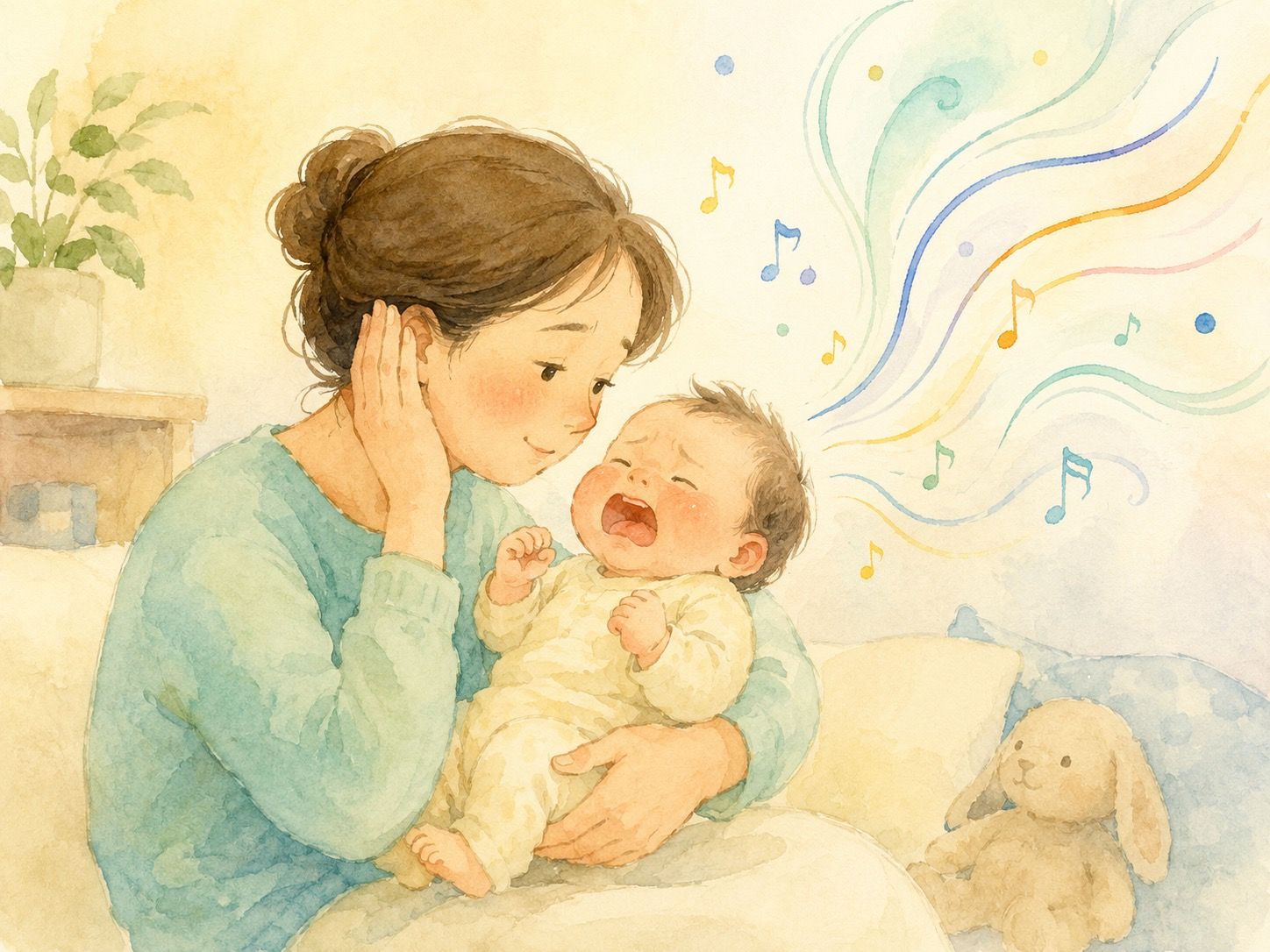
Decoding Baby Cries: Reading Hunger, Sleepy, Discomfort, and Pain by Sound and Body Cues
Baby cries can be read through sound patterns and body cues. Here's how to tell hunger, sleepy, discomfort, and pain apart, the pre-cry signals, why crying peaks around 6 weeks, and 5 soothing moves.
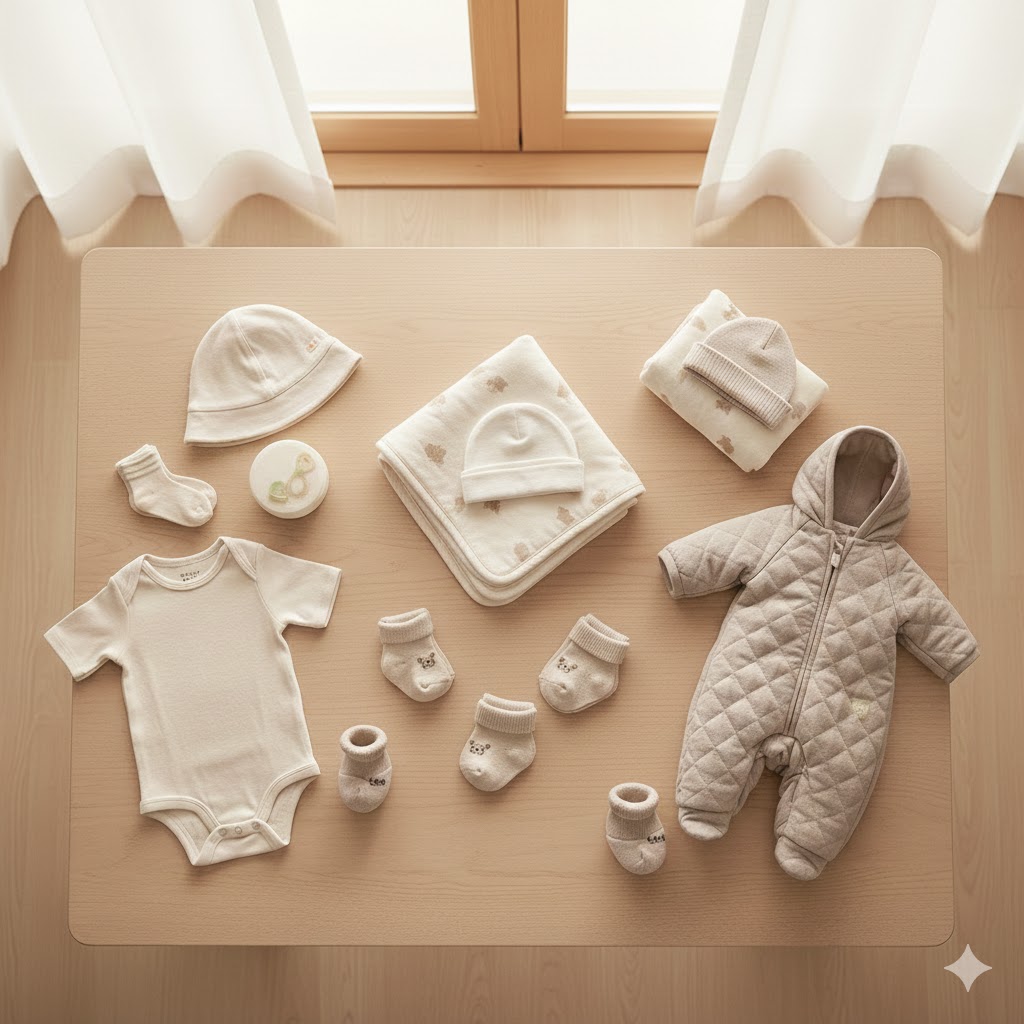
Baby Clothing Guide by Temperature | How Many Layers by Season
Unsure how many layers your baby needs? We've mapped out the right outfits by temperature and season, dress by this guide and your baby stays just right, not too hot or cold.

First Birthday Party Checklist: Planning Guide, Smash Cake Ideas & Milestone Celebrations
Planning your baby's first birthday party? Get our complete timeline checklist from 3 months out, smash cake tips, budget-friendly ideas, and traditions to make it unforgettable.