Newborn Poop Color Chart: Health Guide by Color
Check Your Baby's Health from One Photo
Get Started FreeEvery diaper change reveals a different color, and it's natural to worry. Yellow, green, brown... which colors are normal and which are warning signs? This guide provides a newborn poop color chart with explanations for each color.
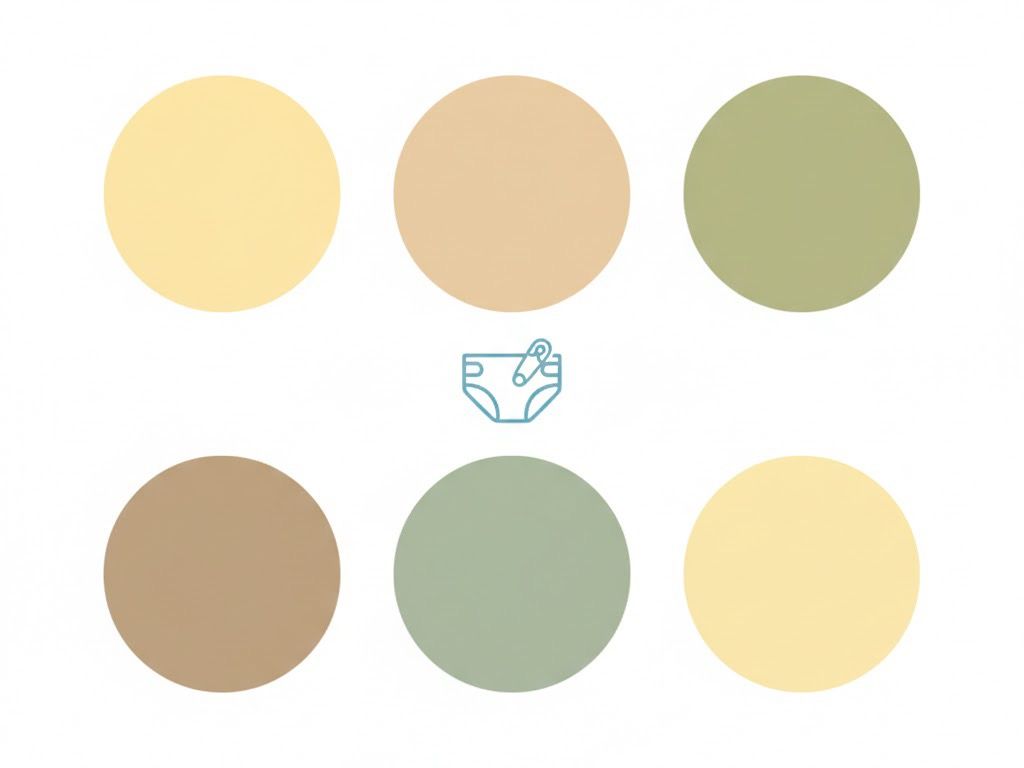
Newborn Poop Color Chart
| Color | Status | Description | Action |
|---|---|---|---|
| Dark green/Black | Normal (Meconium) | Days 1-3 after birth, sticky meconium | Monitor |
| Yellow/Mustard | Normal | Typical breastfed baby stool | Monitor |
| Tan/Brown | Normal | Typical formula-fed baby stool | Monitor |
| Greenish-brown | Normal | Transitional stool or iron intake | Monitor |
| Bright green | Usually normal | Fast transit, foremilk/hindmilk imbalance | Identify cause |
| Orange | Normal | Food coloring from carrots, etc. | Monitor |
| Red spots/streaks | Caution | Possible anal fissure or blood | Consult pediatrician |
| Black (after meconium) | Warning | Possible upper GI bleeding | See doctor immediately |
| White/Gray | Warning | Bile duct issue, lack of bile | See doctor immediately |

Detailed Explanation by Color
Dark Green/Black (Meconium) - Normal
This is meconium, passed in the first 1-3 days after birth.
Characteristics:
- Sticky, tar-like texture
- Almost no smell
- Made of amniotic fluid, mucus swallowed in the womb
Yellow/Mustard - Normal
Typical stool color for breastfed babies.
Characteristics:
- Bright yellow to mustard color
- Contains seed-like particles
- Loose, soft texture
- Slightly sour smell
This color is a good sign that baby is getting enough breast milk.
Tan/Brown - Normal
Typical for formula-fed babies or babies starting solids.
Characteristics:
- Tan to light brown
- Firmer than breastfed baby stool
- Peanut butter-like consistency
- Slightly stronger smell
Greenish-Brown - Normal
Appears for various normal reasons.
Causes:
- Transition from meconium to regular stool
- Iron-fortified formula
- Iron supplements
- Green vegetable baby food
No need to worry.
Bright Green - Usually Normal
Bright green stool has several causes.
Common causes:
- Foremilk/hindmilk imbalance (breastfeeding)
- Fast gut transit time
- Viral infection
- Food sensitivity
Check points:
- Usually normal if no other symptoms
- Consult pediatrician if persists 2+ weeks
Orange - Normal
Common in babies who've started solids.
Causes:
- Carrots, sweet potatoes, squash
- Some formula ingredients
It's just food color coming through - no worries.
Red Spots/Streaks - Caution
Seeing red can be alarming, but it's not always dangerous.
Common causes (usually minor):
- Small tears around the anus
- Minor bleeding from constipation
- Mom's nipple bleeding (mixed in milk)
Warning signs:
- Significant bright red blood
- Blood with jelly-like mucus
- Baby seems in pain or very fussy
If you see red, consult your pediatrician.
Black (After Meconium) - Warning
Black stool after the meconium period needs attention.
Possible causes:
- Upper GI bleeding (stomach, esophagus)
- Swallowed blood (rarely from mom during feeding)
Action: See doctor immediately
Note: Dark green stool from iron supplements is normal.
White/Gray - Warning
This is the most concerning color.
Causes:
- Bile not reaching the intestines
- Possible biliary atresia
- Liver problems
Characteristics:
- Pale, colorless
- Gray or white
- Clay-like texture
What Else to Check with Color
Don't just look at color - check these too:
1. Consistency
- Is it similar to usual?
- Not too hard or too watery?
2. Frequency
- Any sudden increase or decrease?
- Breastfed: 1-10 times/day
- Formula-fed: 1-4 times/day
3. Smell
- Unusually foul compared to normal?
4. Baby's Condition
- Eating well?
- Not fussy?
- No fever?
Analyze Poop Color with BebeSnap
Tired of searching "is this color normal?" every time? Use BebeSnap's AI Stool Analysis to check with just one photo.
How to use:
Step 1: Tap 'Analysis' tab at the bottom
Step 2: Take a diaper photo with camera icon
Step 3: Answer questions about feeding method, baby's age, etc.
Step 4: AI analyzes color, consistency, and special notes, providing overall assessment
It tells you not just the color assessment, but also whether you should see a doctor.
👉 Learn more about AI Stool Analysis
Frequently Asked Questions (FAQ)
Q: Is yellow poop normal for a newborn?
A: Yes, it's normal. Bright yellow or mustard-colored stool with seed-like particles and a loose, soft texture is typical for breastfed babies. It's actually a good sign that your baby is getting enough breast milk. For formula-fed babies, tan to light brown is normal.
Q: My baby's poop is green. Is that okay?
A: Bright green stool is usually normal. Common causes include foremilk/hindmilk imbalance, fast gut transit, and iron intake. If there are no other symptoms, there's no need to worry, but consult your pediatrician if it persists for more than 2 weeks.
Q: Which poop colors are warning signs?
A: White or gray stool can signal biliary atresia and requires immediate medical attention. Black stool after the meconium period (possible upper GI bleeding) is also a warning sign. If you see significant bright red blood or blood with jelly-like mucus, consult your pediatrician.
Q: Does red in the poop always mean something dangerous?
A: Not always. Common minor causes include small tears around the anus, minor bleeding from constipation, or mom's nipple bleeding mixed into breast milk. However, if there's a lot of bright red blood, blood with jelly-like mucus, or your baby seems in pain, consult your pediatrician.
References
Check Your Baby's Health from One Photo
AI stool analysis reads color and texture, and keeps every health record in one place.
See what the app does firstMedical Disclaimer: This article is for informational purposes only and does not replace professional medical advice. If you have concerns about your baby's health, please consult a pediatrician.
You Might Also Like
Apple for Babies: Stage-by-Stage Portions and When Raw Apple Is Safe
Spinach for Babies: When to Start, Why Boiling Matters, and the One Time to Skip It
Potato for Babies: When to Start, Safe Shapes, and Why Never to Blend It
Wonder Weeks Calculator: Your Baby's 10 Mental Leaps From the Due Date
You Might Also Like

Baby Impetigo: Golden Crusts, Antibiotic Treatment, and When Nursery Is Safe Again
Golden-brown crusts spreading across your baby's skin? Impetigo is a common, highly contagious bacterial skin infection in young children. It stops being contagious 48 hours after treatment starts. Here is how to recognise it and when nursery is safe again.

Newborn Sleep Guide: 16-17 Hours a Day & When to Expect Full Nights
Newborns sleep 16-17 hours but only 2-3 hours at a time. Learn sleep patterns by age and when to expect longer stretches.

Baby Diarrhea vs Loose Stool: How to Tell the Difference
Is your baby's loose stool diarrhea or normal? Learn the differences and when to see a doctor.