Baby Norovirus vs Rotavirus | Symptoms, Differences & Dehydration Prevention Guide
Check Your Baby's Health from One Photo
Get Started FreeWhen your baby suddenly starts vomiting and having watery diarrhea, it can be frightening. Norovirus and rotavirus are the two most common causes of viral gastroenteritis in infants and toddlers, especially during winter and early spring. This guide covers the key differences between these two viruses, how to prevent dehydration, home care strategies, and when to head to the doctor.
Norovirus vs Rotavirus: Key Differences
Both viruses cause vomiting and diarrhea, but they differ in important ways.
| Feature | Norovirus | Rotavirus |
|---|---|---|
| Peak Season | November - March (winter) | January - April (late winter - spring) |
| Incubation Period | 12-48 hours | 1-3 days |
| Main Symptoms | Projectile vomiting first, then diarrhea | Fever → vomiting → white watery diarrhea |
| Stool Characteristics | Watery diarrhea | Rice-water-like white watery stools |
| Fever | Low-grade or absent | High fever common (100.4-102.2°F / 38-39°C) |
| Duration | 1-3 days (relatively short) | 3-8 days (can be prolonged) |
| Most Affected Age | All ages (including adults) | 6 months - 2 years |
| Vaccine Available | No | Yes (given at 2 and 4 months) |
| Dehydration Risk | Moderate | High (severe, prolonged diarrhea) |
Symptom Timeline
Norovirus Progression:
Day 1: Sudden onset of projectile vomiting (5-10 episodes per day), nausea, stomach cramps Days 1-2: Vomiting subsides, watery diarrhea begins, low-grade fever, loss of appetite Days 2-3: Symptoms improve; most children recover within 3 days
Rotavirus Progression:
Days 1-2: Fever of 100.4-102.2°F (38-39°C), vomiting begins Days 2-3: Vomiting decreases, white watery diarrhea starts (10-20 episodes per day) Days 3-7: Diarrhea continues, gradually decreasing Days 7-8: Most children recover (severe cases may take longer)
Dehydration Warning Signs: Check These Carefully
When vomiting and diarrhea cause fluid loss, dehydration can set in quickly. Infants and toddlers are especially vulnerable.
Mild Dehydration Signs:
- Fewer wet diapers than usual
- Slightly dry lips
- Fewer tears when crying
- More fussy than usual
Moderate to Severe Dehydration. Go to the ER Immediately (call 911 if your baby is limp or unresponsive):
- No urination for 6+ hours
- No tears when crying
- Dry, cracked lips and mouth
- Sunken eyes
- Skin stays "tented" when pinched (poor turgor)
- Limp, lethargic, or unresponsive
- Sunken fontanelle (soft spot on the head)
| Severity | Signs | Action |
|---|---|---|
| Mild | Decreased urination, slightly dry lips | Oral rehydration, monitor closely |
| Moderate | No urine for 6 hours, no tears | See a doctor immediately |
| Severe | Sunken eyes, lethargy, poor skin turgor | Emergency room now (IV fluids needed); call 911 if your baby is lethargic, limp, or unresponsive |

Home Care for Viral Gastroenteritis
There is no specific antiviral medication for norovirus or rotavirus. The goal is preventing dehydration and managing symptoms.
1. Fluid Replacement(Most Important!)
- Oral rehydration solution (ORS, such as Pedialyte) is the best option
- Don't give large amounts at once, offer 1-2 teaspoons every 5 minutes
- If vomiting is severe, wait 30 minutes after an episode, then try again slowly
- Breastfed babies: nurse more frequently, for shorter periods
- Formula-fed babies: don't dilute formula, keep normal concentration, offer smaller amounts more frequently
Drinks to Avoid:
- Sports drinks (too much sugar, can worsen diarrhea)
- Fruit juice (osmotic diarrhea risk)
- Carbonated beverages
2. Dietary Management
Begin reintroducing food 4-6 hours after vomiting stops.
Foods That Are Safe to Offer:
- Rice porridge, plain white rice
- Banana (replenishes potassium)
- Mashed potato or sweet potato
- Boiled chicken breast
- Plain bread, crackers
Foods to Avoid:
- Greasy or fried foods
- Dairy products (milk, cheese), temporary lactose intolerance is common
- High-fiber foods (raw vegetables, whole grains)
- Sugary foods (candy, chocolate)
3. Fever Management
- Use acetaminophen (Tylenol) or ibuprofen (6 months+) for rotavirus-related high fevers, but skip ibuprofen if your baby shows signs of dehydration, and call your pediatrician before giving any fever medicine to a baby under 3 months
- Monitor temperature frequently
When to See a Doctor
Go to the Emergency Room Immediately If:
- No urination for 6+ hours
- Bloody diarrhea, or green or bloody vomit
- High fever (102.2°F / 39°C+) lasting more than 3 days
- Severe abdominal pain (baby pulls legs up and cries)
- Vomiting hasn't stopped after 24 hours
- Baby is under 3 months old
See Your Pediatrician the Same Day If:
- Diarrhea has lasted more than 7 days
- Baby cannot keep any fluids down after vomiting
- Fever accompanied by a rash
- Baby is unusually sleepy or less playful (call 911 if your baby is lethargic, limp, hard to wake, or barely responds)
Rotavirus Vaccination
Rotavirus is the only viral gastroenteritis that can be prevented with a vaccine.
Vaccination Details:
| Vaccine | Rotarix (2-dose) | RotaTeq (3-dose) |
|---|---|---|
| Number of Doses | 2 doses | 3 doses |
| Schedule | 2 and 4 months | 2, 4, and 6 months |
| Administration | Oral (drops by mouth) | Oral (drops by mouth) |
| Severe Disease Prevention | ~90-92% | ~90-92% |
Important Timing Rules:
- First dose must be given before 15 weeks of age
- In the US, the last dose must be given by 8 months of age; in the UK, the second (last) dose is given by 24 weeks
- Vaccinated children can still get rotavirus, but symptoms are much milder
Preventing the Spread
Both norovirus and rotavirus are extremely contagious.
How They Spread:
- Fecal-oral route (most common)
- Contact with contaminated hands, surfaces, or objects after touching vomit or stool
- Contaminated food or water
- Norovirus: can also spread through aerosolized vomit particles
Prevention Strategies:
- Wash hands with soap and water for 30+ seconds after every diaper change
- Wear gloves when cleaning up vomit or diarrhea
- Disinfect contaminated surfaces with chlorine-based cleaner (bleach solution)
- Alcohol-based hand sanitizers have limited effectiveness against norovirus, soap and water is far superior
- Keep your child home for at least 48 hours after symptoms resolve
Recovery: What to Watch For Afterward
Even after symptoms improve, take precautions for a few more days.
- Continue offering easily digestible foods for 2-3 days after diarrhea stops
- There's no need to hold off on dairy for weeks; offer usual milk feeds, and ask your pediatrician about a short break only if milk makes the diarrhea worse
- Virus can still be shed in stool for weeks after recovery, maintain strict hand hygiene
- Feed smaller, more frequent meals for several days after full recovery
Track Symptoms with BebeSnap
Recording your baby's symptoms during gastroenteritis helps your doctor assess the situation.
- Stool Tracker: Log frequency, color, and consistency to monitor changes
- AI Stool Analysis: Take a photo of your baby's diaper and get an AI-powered assessment
- Feeding/Fluid Tracker: Essential for monitoring dehydration risk
- Temperature Log: Track fever patterns to share with your pediatrician
- AI Consultation: Ask our AI chatbot about gastroenteritis symptoms anytime
👉 Learn more about BebeSnap AI Stool Analysis
Frequently Asked Questions (FAQ)
Q: How can I tell norovirus and rotavirus apart?
A: With norovirus, projectile vomiting comes first, fever is low-grade or absent, and it passes relatively quickly in 1-3 days. Rotavirus starts with a high fever of 100.4-102.2°F (38-39°C), features rice-water-like white watery diarrhea up to 10-20 times a day, and can last 3-8 days. Rotavirus carries a higher dehydration risk because the diarrhea is severe and prolonged.
Q: How should I give fluids to a baby with gastroenteritis?
A: Oral rehydration solution (ORS, such as Pedialyte) available at the pharmacy is best. Don't give large amounts at once, offer 1-2 teaspoons every 5 minutes. If vomiting is severe, wait 30 minutes after an episode and try again slowly. Avoid sports drinks, fruit juice, and carbonated beverages, as their high sugar content can worsen diarrhea.
Q: When should I take my baby to the doctor immediately for gastroenteritis?
A: Go to the ER right away for dehydration signs like no urination for 6+ hours, no tears when crying, or sunken eyes, and call 911 if your baby is limp or unresponsive. You should also seek immediate care for bloody diarrhea, a high fever above 102.2°F (39°C) lasting more than 3 days, vomiting that won't stop after 24 hours, or any baby under 3 months even if symptoms seem mild.
Q: Do alcohol-based hand sanitizers work against norovirus?
A: Alcohol-based hand sanitizers have limited effectiveness against norovirus. You must wash hands with soap and running water for at least 30 seconds to be effective. Washing hands after diaper changes, wearing gloves when cleaning up vomit or stool, disinfecting surfaces with a chlorine-based cleaner, and keeping your child home for 48 hours after symptoms resolve are key to preventing spread.
References
Check Your Baby's Health from One Photo
AI stool analysis reads color and texture, and keeps every health record in one place.
See what the app does firstMedical Disclaimer: This article is for informational purposes only and does not replace professional medical advice. If you have concerns about your baby's health, please consult a pediatrician.
You Might Also Like
Tomato for Babies: When to Start, Skin and Seeds, and Why Cherry Tomatoes Are Never Served Whole
Apple for Babies: Stage-by-Stage Portions and When Raw Apple Is Safe
Spinach for Babies: When to Start, Why Boiling Matters, and the One Time to Skip It
Potato for Babies: When to Start, Safe Shapes, and Why Never to Blend It
You Might Also Like
Baby Impetigo: Golden Crusts, Antibiotic Treatment, and When Nursery Is Safe Again
Golden-brown crusts spreading across your baby's skin? Impetigo is a common, highly contagious bacterial skin infection in young children. It stops being contagious 48 hours after treatment starts. Here is how to recognise it and when nursery is safe again.
Baby Won't Eat? Age-by-Age Guide to Food Refusal Causes & Practical Solutions
Is your baby suddenly refusing food? From weaning strikes to picky eating, food refusal is a normal part of development. Learn age-specific causes and gentle strategies that actually work.
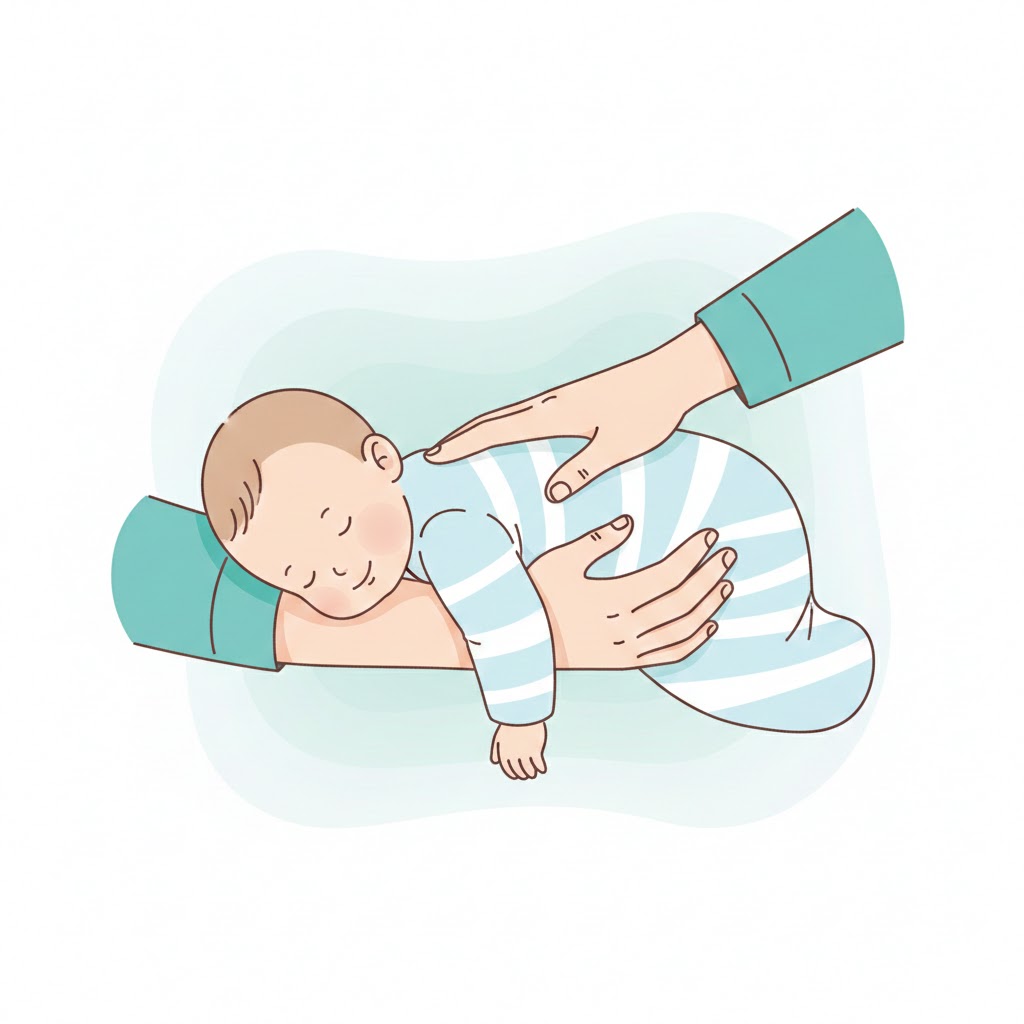
Baby Choking First Aid: Complete Guide to Infant Back Blows, CPR & Prevention
Baby choking on food and can't breathe? For infants under 1, give 5 back blows + 5 chest thrusts. NOT the Heimlich. Step-by-step first aid guide.