Baby Cold Symptoms & Treatment: Complete Guide from Newborn to 12 Months
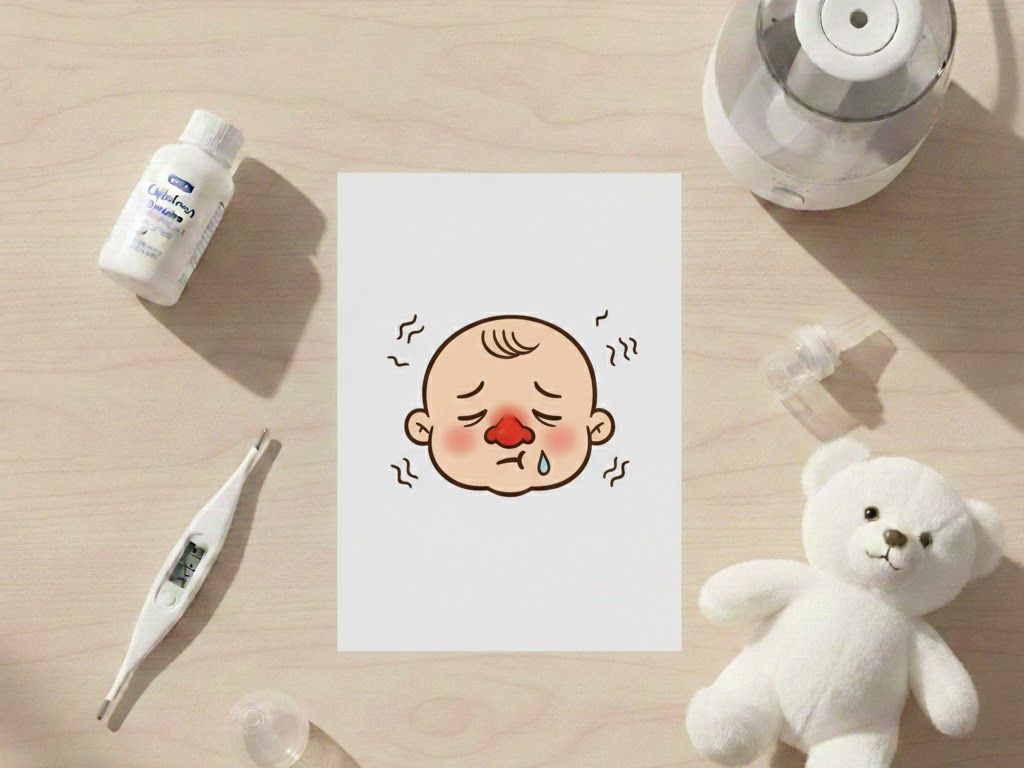
Check Your Baby's Health from One Photo
Get Started FreeWhen your baby starts showing cold symptoms like runny nose and coughing, it's natural to worry. Understanding baby cold symptoms, home care methods, and when to seek medical attention helps you respond calmly and effectively.
Why Do Babies Get Colds So Often?
During their first year, babies catch colds an average of 6-8 times. This is completely normal.
Why babies are vulnerable to colds:
- Immune system still developing
- Narrow nasal passages block easily
- First-time exposure to many viruses
- Spread through daycare, siblings
💡 Remember: Frequent colds actually help build your baby's immune system.
Cold Symptoms by Age
Newborn to 3 Months
Colds at this age require extra caution.
- Difficulty feeding due to nasal congestion
- Fussiness and sleep problems
- Low-grade fever (seek immediate care if 38°C/100.4°F or higher)
- Sneezing, clear runny nose
Warning: If a baby under 3 months has a fever of 38°C (100.4°F) or higher, go to the ER immediately.
4-6 Months
- Runny nose (may change from clear to yellow/green)
- Mild cough
- Low fever (37.5-38.5°C / 99.5-101.3°F)
- Decreased appetite
- More sleepy than usual
7-12 Months
- Runny nose, congestion
- Cough (may worsen at night)
- Fever (38-39°C / 100.4-102.2°F)
- Eye discharge
- Irritability, fussiness
- Frequent night waking
Home Care for Baby Colds
1. Relieve Nasal Congestion
Babies breathe only through their nose, making congestion especially difficult.
Effective methods:
- Saline drops: 1-2 drops in each nostril
- Nasal aspirator: Use 2-3 minutes after saline
- Humidifier: Maintain 50-60% humidity
- Elevate head: Slightly raise the head during sleep
2. Keep Baby Hydrated
- Frequent breastfeeding/formula feeds
- Small amounts of warm water if over 6 months
- Watch for dehydration (fewer wet diapers, dry lips)
3. Rest Environment
- Room temperature: 68-72°F (20-22°C)
- Humidity: 50-60%
- Ventilation: 2-3 times daily, 10 minutes each
- Quiet, comfortable environment
4. Fever Management
| Temperature | Action |
|---|---|
| 99.5-100.4°F (37.5-38°C) | Remove layers, lukewarm compress |
| 100.4-101.3°F (38-38.5°C) | Consider fever reducer (consult doctor) |
| Above 101.3°F (38.5°C) | Give fever reducer + see doctor |

Warning Signs: When to See a Doctor
Seek immediate medical care if you notice:
Emergency situations:
- Baby under 3 months + fever 100.4°F (38°C) or higher
- Breathing difficulty (ribs pulling in)
- Blue lips or fingernails
- Limp and unresponsive
- Seizures
Same-day appointment needed:
- Fever lasting more than 3 days
- Pulling at ears (possible ear infection)
- Heavy eye discharge with redness
- Runny nose lasting more than 10 days
- Cough lasting more than 2 weeks
- Feeding less than half the usual amount
Cold Medicine for Babies?
Under 6 months: No medication without doctor's prescription
6 months and older: Appropriate fever reducers after consulting doctor
- Acetaminophen (Tylenol): From 3 months
- Ibuprofen: From 6 months
Never give:
- Aspirin (Reye's syndrome risk)
- Adult cold medicine
- Combination cold medicines (under 2 years)
Preventing Colds
Daily prevention:
- Frequent handwashing (baby's hands too)
- Avoid contact with sick people
- Regular toy cleaning
- Adequate sleep and nutrition
Environment management:
- Maintain proper humidity
- Regular ventilation
- No exposure to cigarette smoke
Track Symptoms with BebeSnap
Recording your baby's cold symptoms helps when visiting the doctor.
- Symptom logging: Daily record of fever, runny nose, cough
- Temperature tracking: Monitor fever reducer timing and effectiveness
- Feeding tracker: Monitor for dehydration risk
- AI consultation: 24/7 symptom support
👉 Learn more about BebeSnap Health Tracking
FAQ
Q: Does yellow or green mucus mean bacterial infection?
A: No. Mucus color does not indicate the type of infection. Viral colds commonly turn from clear to yellow or green in their later stages. Instead of color, watch for whether the runny nose lasts more than 10 days or symptoms keep worsening, which are better signals for seeing a doctor.
Q: Can I bathe my baby?
A: If there is no fever and your baby has energy, a short warm bath is perfectly fine. In fact, the warm steam and moisture can help relieve nasal congestion. Just keep the bathroom warm beforehand and dry your baby right after so they don't get chilled.
Q: Can we go outside?
A: Brief outings are okay if there is no fever and symptoms are mild. However, avoid contact with other children so you don't spread the infection, and dress your baby warmly in cold weather. If symptoms are severe or fever is present, resting at home supports a faster recovery.
References
Check Your Baby's Health from One Photo
AI stool analysis reads color and texture, and keeps every health record in one place.
See what the app does firstMedical Disclaimer: This article is for informational purposes only and does not replace professional medical advice. If you have concerns about your baby's health, please consult a pediatrician.
You Might Also Like
Apple for Babies: Stage-by-Stage Portions and When Raw Apple Is Safe
Spinach for Babies: When to Start, Why Boiling Matters, and the One Time to Skip It
Potato for Babies: When to Start, Safe Shapes, and Why Never to Blend It
Wonder Weeks Calculator: Your Baby's 10 Mental Leaps From the Due Date
You Might Also Like
Baby Impetigo: Golden Crusts, Antibiotic Treatment, and When Nursery Is Safe Again
Golden-brown crusts spreading across your baby's skin? Impetigo is a common, highly contagious bacterial skin infection in young children. It stops being contagious 48 hours after treatment starts. Here is how to recognise it and when nursery is safe again.

Baby Constipation Solutions: What to Do When Baby Hasn't Pooped
Baby hasn't pooped for days! Learn normal bowel patterns for breast/formula-fed babies and safe solutions like massage and diet changes.

Baby Temperature Guide | Normal Range & Fever Management
Babies' normal temperature differs from adults'. From what counts as a fever and how to measure it to home care and when to see a doctor, everything about baby fevers.