Baby Iron Deficiency: Must-Have Iron-Rich Foods After 6 Months
Stop Trying to Remember Feed Times
Get Started FreeIron is essential for your baby's brain development and growth. After 6 months of age, stored iron begins to deplete, making iron intake through solid foods crucial. Learn about the causes, symptoms, and prevention of iron deficiency in babies.
Why Is Iron Important?
Iron is an essential mineral for making hemoglobin in the blood. Hemoglobin carries oxygen throughout the body and plays a critical role in brain development.
Key Roles of Iron
- Supports brain development and cognitive function
- Strengthens immune system
- Contributes to energy production
- Promotes healthy growth
Causes of Iron Deficiency in Babies
1. Depletion of Stored Iron
Babies are born with iron stores received from their mother, but these stores are depleted by 4-6 months of age.
2. Low Iron Content in Breast Milk
Breast milk is a perfect nutrition source but low in iron. Fortunately, iron in breast milk has high absorption rates, but supplementation through solids is needed after 6 months.
3. Rapid Growth Rate
Babies approximately triple their weight in the first year, and iron requirements increase proportionally with this rapid growth.
4. Early Cow's Milk Introduction
Giving cow's milk before 12 months can cause intestinal bleeding and interferes with iron absorption, increasing deficiency risk.
Symptoms of Iron Deficiency
Iron deficiency in babies may not show obvious symptoms initially, requiring careful observation.
Main Symptoms
- Pale skin and lips
- Appears more lethargic and tired than usual
- Decreased appetite
- Slowed growth rate
- Frequent infections
- Cold hands and feet
Severe Cases
- Rapid heartbeat
- Increased irritability and fussiness
- Pica (trying to eat dirt, ice, etc.)
If symptoms are suspected, blood tests at the pediatrician can confirm.
Recommended Daily Iron Intake by Age
| Age | Daily Recommendation | Notes |
|---|---|---|
| 0-6 months | 0.27mg | Met through breast milk/formula |
| 7-12 months | 11mg | Solid foods essential |
| 1-3 years | 7mg | Balanced diet |
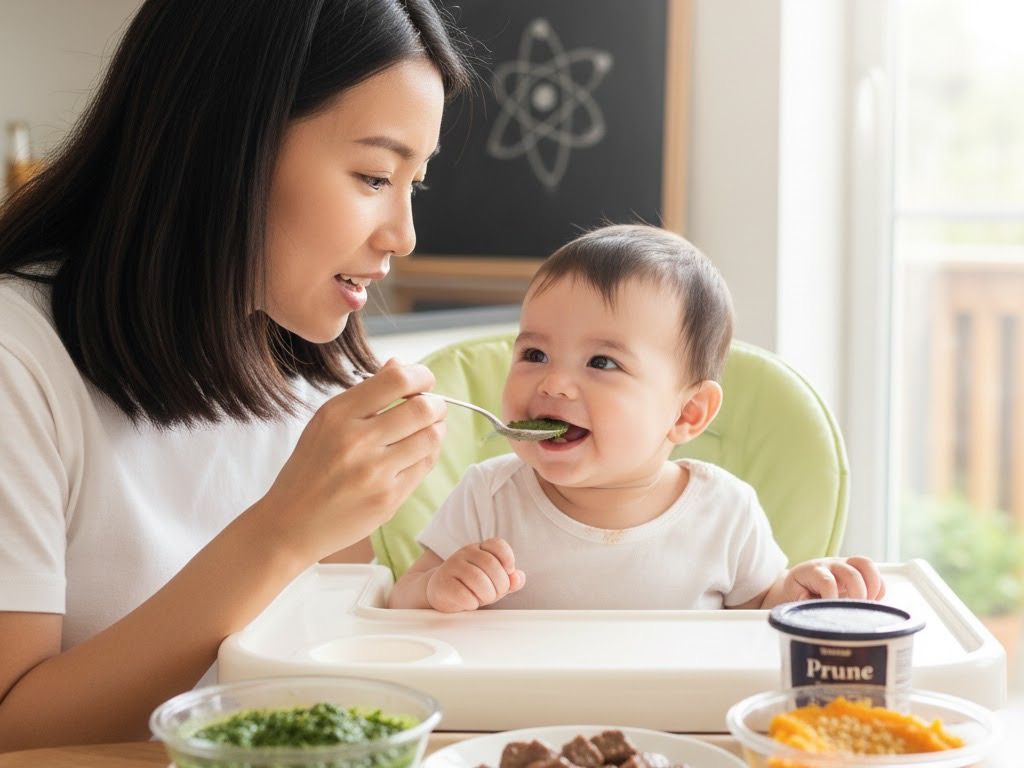
Iron-Rich Baby Food Ingredients
Heme Iron (Animal-Based) - High Absorption
- Beef (especially tenderloin, sirloin)
- Chicken (especially dark meat)
- Pork
- Egg yolk
- Fish like salmon, tuna
Non-Heme Iron (Plant-Based) - Eat with Vitamin C
- Spinach, broccoli
- Tofu, lentils
- Fortified cereals
- Oats, quinoa
- Beans (black beans, chickpeas)
Factors That Inhibit Iron Absorption
Combinations to Avoid
- Milk/dairy products with iron-rich foods
- Tea, coffee (caffeine) with meals
- High-calcium foods with iron foods
Recommended Combinations
- Beef + broccoli (vitamin C)
- Spinach + orange juice
- Iron-fortified cereal + strawberries
Iron-Rich Baby Food Recipes
Beef Potato Puree(7 months+)
- 30g beef tenderloin + 50g potato
- Cook beef and potato until soft, then blend smooth
- Adjust consistency with breast milk or formula
Spinach Chicken Porridge(8 months+)
- 20g chicken breast + 3-4 spinach leaves + 30g rice
- Cook chicken and rice into porridge, add blanched spinach
- Chop finely to complete
Tofu Veggie Sticks(9 months+ BLW)
- Firm tofu + carrots + broccoli
- Cut into stick shapes and steam until soft
- Serve for baby to pick up and eat
When Iron Supplements Are Needed
Consider iron supplements after pediatric consultation in these cases:
- Premature birth
- Low birth weight
- Exclusively breastfed babies over 6 months
- Blood tests confirm iron deficiency
- Special diets (vegetarian, etc.)
Manage Nutrition with BebeSnap
BebeSnap app helps systematically manage your baby's iron intake.
- Record nutrients by food ingredient
- AI nutrition analysis to check iron intake
- Balanced meal recommendations
- Monitor nutrition alongside growth curves
👉 Learn more about BebeSnap Feeding Records
Frequently Asked Questions (FAQ)
Q: What are the symptoms of iron deficiency in babies?
A: Early on there may be no obvious signs, but common symptoms include pale skin and lips, appearing more lethargic and tired than usual, decreased appetite, slowed growth, frequent infections, and cold hands and feet. In severe cases, a rapid heartbeat, irritability, and pica (trying to eat dirt or ice) can appear. If suspected, a blood test at the pediatrician can confirm it.
Q: When do babies need iron supplementation?
A: Babies are born with iron stores from their mother, but these are depleted by 4-6 months of age. Because breast milk is low in iron, iron intake through solid foods becomes important after 6 months. The recommended daily iron intake for babies aged 7-12 months is 11mg.
Q: How can I improve my baby's iron absorption?
A: Eating iron-rich foods alongside vitamin C-rich fruits (oranges, strawberries, kiwi) can increase iron absorption up to 6 times. On the other hand, milk and dairy products, tea, coffee, and high-calcium foods inhibit iron absorption, so it is best not to serve them at the same time as iron-rich foods.
Q: Which baby foods are rich in iron?
A: High-absorption heme iron sources include beef (tenderloin, sirloin), chicken (dark meat), pork, egg yolk, and fish like salmon and tuna. Non-heme iron sources include spinach, broccoli, tofu, lentils, fortified cereals, oats, and quinoa, and these are absorbed better when eaten with vitamin C.
References
Stop Trying to Remember Feed Times
Log time, amount, and intervals. BebeSnap turns them into your baby's daily pattern.
See what the app does firstMedical Disclaimer: This article is for informational purposes only and does not replace professional medical advice. If you have concerns about your baby's health, please consult a pediatrician.
You Might Also Like
Wonder Weeks Calculator: Your Baby's 10 Mental Leaps From the Due Date
Baby Weight Gain Calculator: Grams Per Day From Two Weigh-Ins
Baby Impetigo: Golden Crusts, Antibiotic Treatment, and When Nursery Is Safe Again
Baby Mouth Sores (Stomatitis): Causes, How to Tell Them Apart, and Dehydration Signs
You Might Also Like
Apple for Babies: Stage-by-Stage Portions and When Raw Apple Is Safe
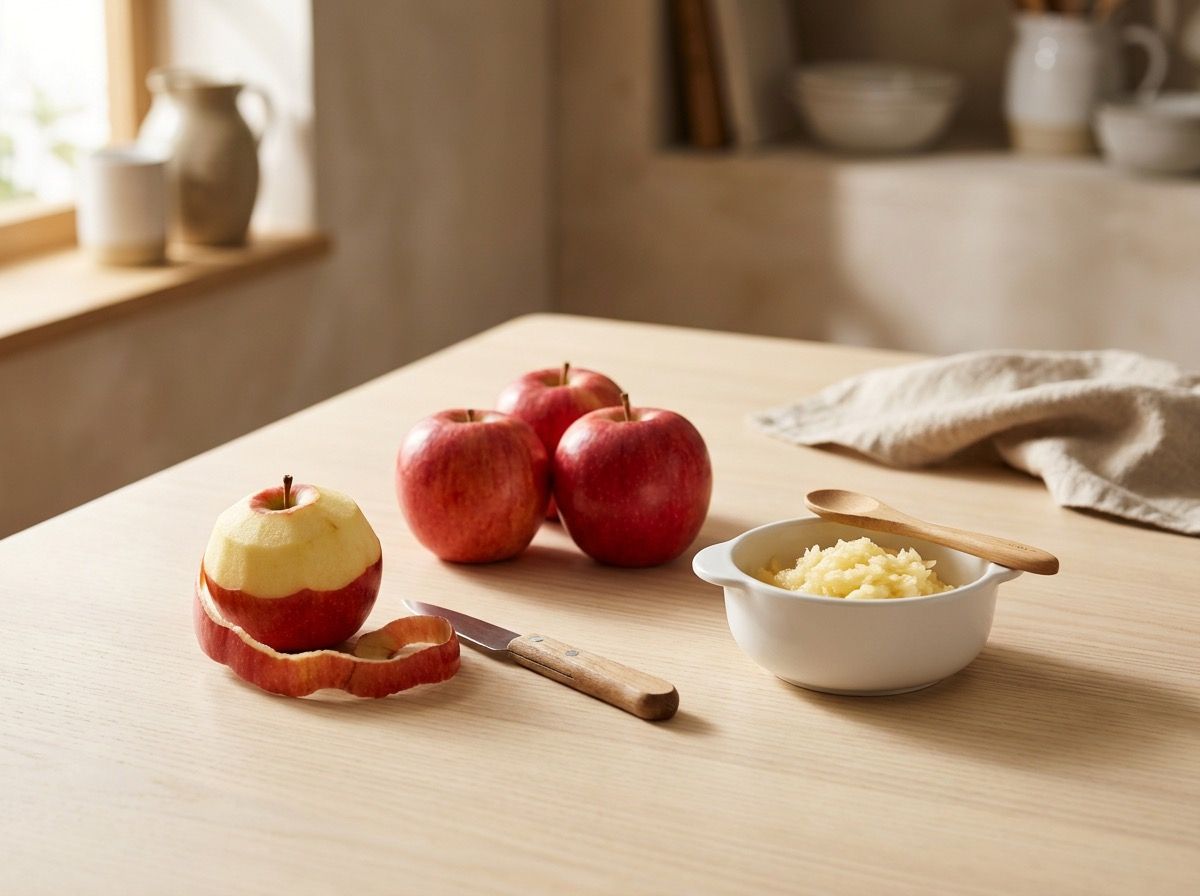
Apple can start in the first weaning stage, grated and cooked. Portions are 20-30g at 7-8 months and 30-40g at 9-11 months, counted together with vegetables. Front teeth bite, but the molars that grind only start coming in at the end of weaning.

Baby Language Development: From Babbling to First Words by Age
Babies start babbling around 4 months and say first words around 12 months. Learn about language development stages and signs of speech delay.
Breastfeeding Guide: Proper Latching Positions & Feeding Schedule
Unsure if your latch is right? WHO recommends exclusive breastfeeding for 6 months. Learn proper latching positions and feeding schedules.