Baby Hand, Foot and Mouth Disease | Symptoms, Incubation Period & Treatment

Check Your Baby's Health from One Photo
Get Started FreeIf you notice white blisters in your baby's mouth along with a rash on their hands and feet, it could be hand, foot, and mouth disease (HFMD). This highly contagious viral illness is especially common in summer. This guide covers everything from early symptoms to home care and when to seek medical attention.
What is Hand, Foot, and Mouth Disease?
HFMD is a viral infection caused by Coxsackievirus or Enterovirus. As the name suggests, it causes blisters and rashes on the hands, feet, and mouth.
Key characteristics:
- Primarily affects children under 5
- Peak season: summer to early fall (June-September)
- Highly contagious
- Most cases resolve within 7-10 days
HFMD Incubation Period, Contagious Period & Isolation
Here's what parents need to know about HFMD timing:
| Period | Duration | Details |
|---|---|---|
| Incubation Period | 3-7 days | Time from infection to symptoms appearing |
| Contagious Period | ~7-10 days | Most contagious from symptom onset until blisters dry |
| Isolation Period | Minimum 7 days | Until fever-free and blisters have dried |
| Return to Daycare | 7-10 days after onset | When fever-free and blisters have scabbed |
HFMD Symptoms by Stage
Early Symptoms (Days 1-2)
Before the rash appears, these symptoms often come first:
- Fever (100.4-102.2°F / 38-39°C)
- Decreased appetite
- Sore throat
- Fatigue, irritability
- Increased drooling
Full Symptoms (Days 3-5)
Mouth symptoms:
- Small red spots on tongue, gums, inside of cheeks
- Spots develop into blisters, then burst into ulcers
- Severe pain from ulcers
- Difficulty swallowing food and water
Skin symptoms:
- Red rash or blisters on palms and fingers
- Same rash on soles of feet and toes
- May also appear on buttocks, knees, elbows
- Usually not itchy
| Location | Symptoms | Characteristics |
|---|---|---|
| Mouth | Blisters → Ulcers | Most painful, refuses food |
| Hands | Red rash/blisters | Palms, fingers |
| Feet | Red rash/blisters | Soles, toes |
| Buttocks | Red rash | May look like diaper rash |

How HFMD Spreads
HFMD is highly contagious and spreads through:
- Respiratory droplets: Coughing, sneezing
- Direct contact: Blister fluid, saliva
- Fecal-oral route: Contaminated hands from diaper changes
- Contaminated objects: Toys, utensils
Contagious period:
- Can spread a few days before symptoms appear
- Most contagious until blisters dry up (about 7-10 days)
- Virus may be shed in stool for weeks
Home Care for HFMD
There is no specific treatment for HFMD. Focus on symptom relief and preventing dehydration.
1. Pain Management
Mouth ulcers are the hardest part:
- Pain relievers: Acetaminophen or ibuprofen (6 months+)
- Cold foods: Ice cream, cold yogurt, cold water
- Soft foods: Porridge, tofu, banana, scrambled eggs
- Avoid: Acidic, salty, or hard/crunchy foods
2. Staying Hydrated
Refusing to eat due to mouth pain can lead to dehydration:
- Small, frequent sips of cold water or weak tea
- Breastfed babies: nurse more frequently
- Formula-fed babies: smaller, more frequent feeds
- Ice chips to suck on (12 months+)
Dehydration warning signs:
- No urine for 6+ hours
- No tears when crying
- Dry, cracked lips
- Lethargy
3. Skin Care
- Don't pop the blisters
- Dress in cool, loose clothing
- Lukewarm baths
- Keep fingernails short to prevent scratching
4. Fever Management
| Temperature | Action |
|---|---|
| Below 100.4°F (38°C) | Keep cool, ensure hydration |
| 100.4-101.3°F (38-38.5°C) | Consider fever reducer |
| Above 101.3°F (38.5°C) | Fever reducer + consult doctor |
When to See a Doctor
Seek immediate medical care if you notice:
Emergency situations:
- High fever (102.2°F/39°C+) lasting more than 3 days
- Stiff neck (possible meningitis)
- Severe headache and vomiting
- Seizures
- Difficulty breathing
- Altered consciousness
Same-day appointment needed:
- Dehydration signs (no urine for 6+ hours)
- Unable to eat or drink anything due to mouth ulcers
- Baby under 6 months old
- Child with weakened immune system
- Symptoms lasting more than 10 days
Preventing HFMD
At home:
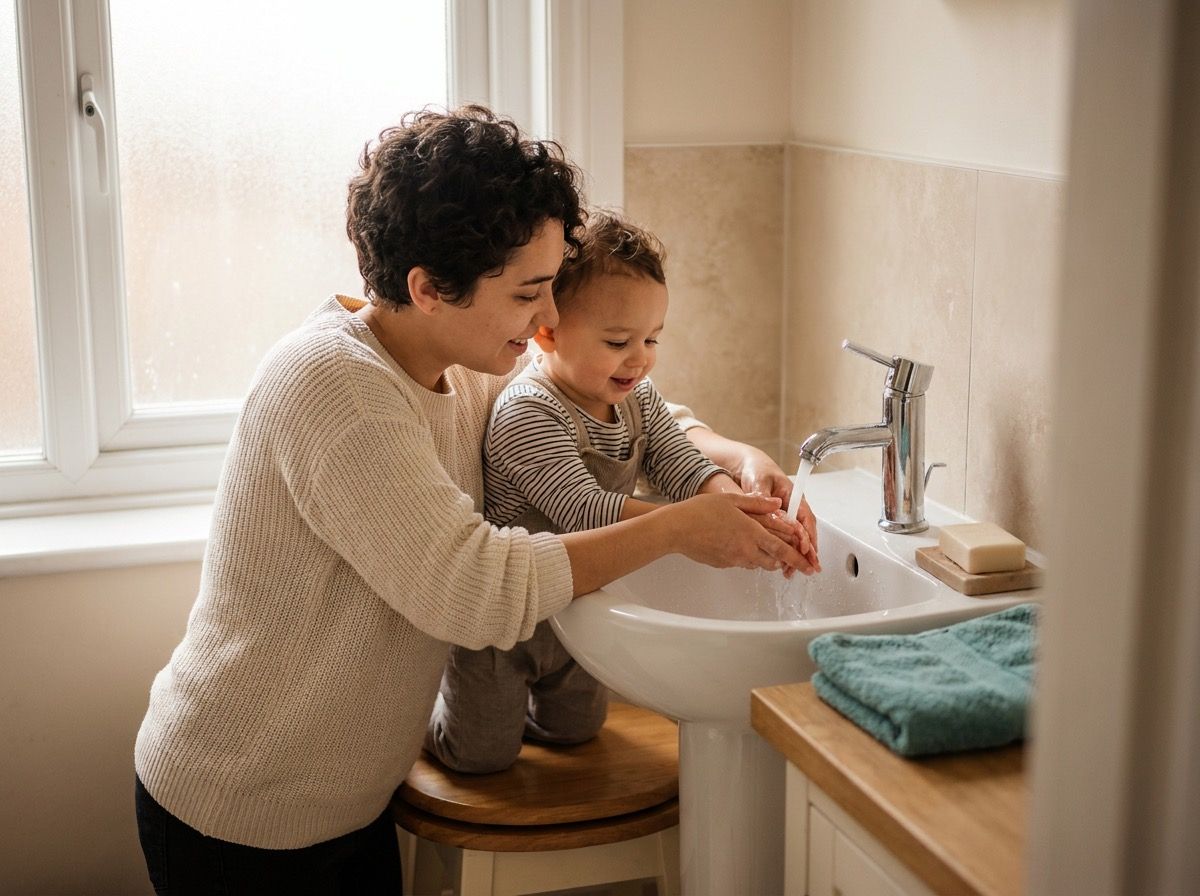
- Frequent handwashing (30+ seconds with soap)
- Teach cough/sneeze etiquette
- Regularly disinfect toys and door handles
- Use separate towels and utensils
- Isolate infected child until blisters dry
When out:
- Avoid crowded places during outbreaks
- Use hand sanitizer when handwashing isn't possible
- Keep children's hands away from their mouths
Daycare/School:
- Stay home until fever is gone and blisters are dry
- Usually 7-10 days after onset
HFMD vs Other Conditions
| Condition | Rash Location | Key Feature |
|---|---|---|
| HFMD | Hands, feet, mouth, buttocks | Mouth ulcers cause feeding problems |
| Chickenpox | Whole body (starts on trunk) | Very itchy, forms scabs |
| Herpangina | Back of throat/tonsils | No hand/foot rash |
| Mouth ulcers | Mouth only | No hand/foot rash |
Track Symptoms with BebeSnap
Recording HFMD symptoms helps when visiting the doctor.
- Temperature log: Track fever patterns throughout the day
- Feeding tracker: Monitor for dehydration risk
- Symptom notes: Document rash locations and blister status
- AI consultation: 24/7 symptom support
👉 Learn more about BebeSnap Health Tracking
FAQ
Q: Does HFMD provide immunity after infection?
A: Yes, you develop immunity to the specific virus that caused your child's infection. However, HFMD can be caused by several different viruses, including Coxsackievirus and Enterovirus, so your baby can catch it again from a different strain. Each episode usually resolves on its own within 7 to 10 days.
Q: Can adults get HFMD?
A: Yes, adults can get HFMD too, though their symptoms are often mild or even absent. Because the virus spreads through respiratory droplets, saliva, blister fluid, and contact with contaminated surfaces, parents caring for a sick child should wash their hands thoroughly with soap for at least 30 seconds, especially after diaper changes.
Q: Is bathing okay?
A: Yes, a short lukewarm bath or shower is fine. Just avoid scrubbing or popping the blisters, wash gently, and pat the skin dry rather than rubbing it. It also helps to keep your baby's nails trimmed short so they don't scratch and break open the blisters.
Q: Do fingernails really fall off after HFMD?
A: Yes, some children experience temporary nail shedding, where a fingernail or toenail loosens or peels off, about 4 to 8 weeks after having HFMD. While the illness itself usually clears within 7 to 10 days, this nail change is a harmless late after-effect, and healthy new nails grow back on their own.
References
Check Your Baby's Health from One Photo
AI stool analysis reads color and texture, and keeps every health record in one place.
See what the app does firstMedical Disclaimer: This article is for informational purposes only and does not replace professional medical advice. If you have concerns about your baby's health, please consult a pediatrician.
You Might Also Like
Apple for Babies: Stage-by-Stage Portions and When Raw Apple Is Safe
Spinach for Babies: When to Start, Why Boiling Matters, and the One Time to Skip It
Potato for Babies: When to Start, Safe Shapes, and Why Never to Blend It
Wonder Weeks Calculator: Your Baby's 10 Mental Leaps From the Due Date
You Might Also Like
Baby Impetigo: Golden Crusts, Antibiotic Treatment, and When Nursery Is Safe Again
Golden-brown crusts spreading across your baby's skin? Impetigo is a common, highly contagious bacterial skin infection in young children. It stops being contagious 48 hours after treatment starts. Here is how to recognise it and when nursery is safe again.

Baby Head Shape Correction | Flat Head, Plagiocephaly & Helmet Therapy Guide
Newborns' soft skulls can flatten from lying on one side too long. From the causes of plagiocephaly to repositioning, pillows, and helmet therapy: head-shape correction explained.

Baby Temperature Guide | Normal Range & Fever Management
Babies' normal temperature differs from adults'. From what counts as a fever and how to measure it to home care and when to see a doctor, everything about baby fevers.