Baby Diarrhea vs Loose Stool: How to Tell & Prevent Dehydration
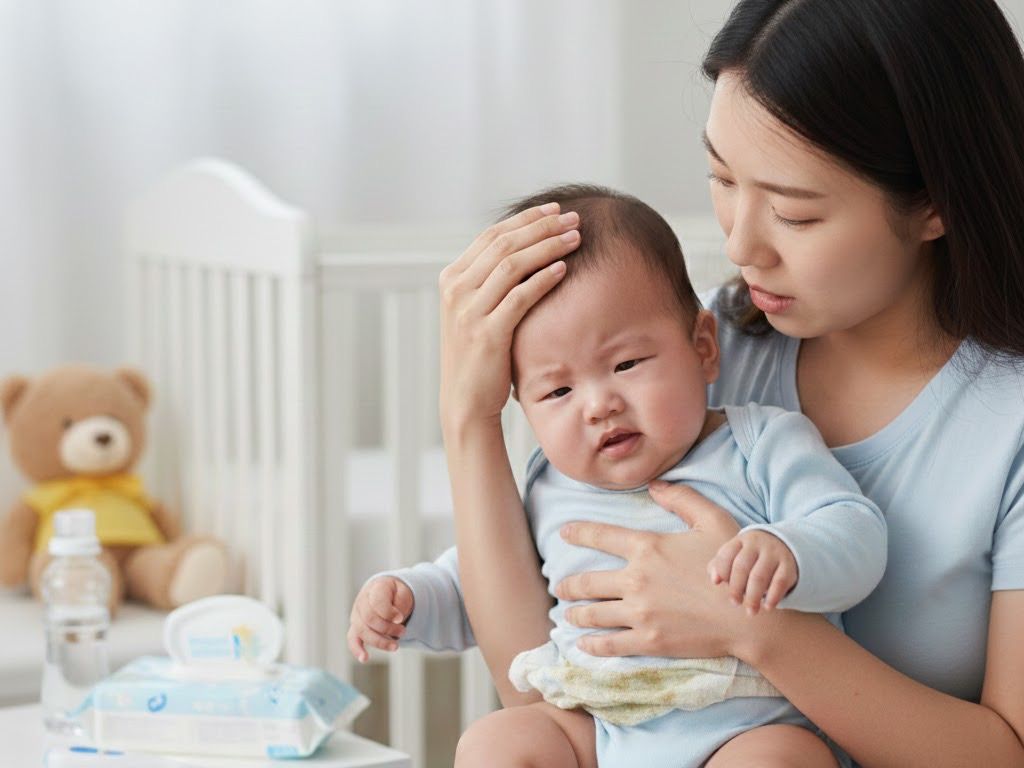
Check Your Baby's Health from One Photo
Get Started FreeBaby stool is normally softer than adult stool, making it difficult to determine if it's diarrhea. Learn the definition of baby diarrhea, its causes, home care tips, and when to see a doctor.
What Is Baby Diarrhea?
Normal baby stool can be loose, making diarrhea difficult to identify. Use these criteria to distinguish diarrhea.
Definition of Diarrhea
- Significantly more frequent than usual
- Much looser or watery than usual
- Enough to leak outside the diaper
- Different smell (more foul)
Normal Stool Reference
| Feeding Type | Normal Frequency | Normal Appearance |
|---|---|---|
| Breastfed | 6-10 times/day or once every few days | Yellow, seedy, loose |
| Formula-fed | 1-4 times/day | Tan/brown, toothpaste consistency |
| After Starting Solids | 1-2 times/day | Becomes similar to adult stool |
Common Causes of Baby Diarrhea
Infectious Causes
1. Viral Infection
Most common cause, including rotavirus and norovirus.
- Sudden onset of diarrhea
- May have vomiting, fever
- Lasts about 3-7 days
2. Bacterial Infection
Caused by salmonella, E. coli, etc.
- May have blood or mucus
- Often has high fever
- May need antibiotics
Non-Infectious Causes
3. Food Allergy/Intolerance
- Occurs after eating specific foods
- Cow's milk protein allergy is common
- May have rash, vomiting
4. Diet Changes
- Temporary diarrhea after introducing new foods
- Usually improves after adjustment
5. Antibiotic Use
- Antibiotics kill good gut bacteria too
- Can be relieved with probiotics
6. Excessive Fruit Juice
- Fructose not digested causes diarrhea
- Especially apple, pear juice
7. Lactose Intolerance
- Lack of lactose-digesting enzyme
- Diarrhea after formula or dairy
Home Care for Diarrhea
1. Fluid Replacement Is Priority
Dehydration from diarrhea is most dangerous.
- Breastfeeding: Nurse more frequently than usual
- Formula: Same or slightly more often
- Oral rehydration solution (ORS): Available at pharmacy
- Don't give water alone (electrolyte imbalance risk)
2. Dietary Adjustments
- Don't stop breast milk/formula
- Give easily digestible foods (banana, rice cereal)
- Avoid fatty foods, fruit juice
- BRAT diet: Banana, Rice, Applesauce, Toast
3. Skin Care
- Change diapers frequently
- Wash with water instead of wipes
- Apply diaper rash prevention cream
- Air-dry time without diaper if possible
4. Observation and Recording
- Record diarrhea frequency and amount
- Check color, smell, presence of blood
- Check temperature
- Monitor dehydration via wet diapers
When to See a Doctor
Go to Emergency Room Immediately
- Blood in stool
- Severe dehydration (sunken eyes, no tears when crying)
- No urination for 6+ hours
- Lethargic or unresponsive
- High fever over 39°C (102°F)
- Abdomen hard and swollen
- Diarrhea in infants under 3 months
See Doctor Same Day or Next Day
- Fever over 38°C (100.4°F)
- Diarrhea lasting over 24 hours
- Can't keep fluids down due to vomiting
- Lots of mucus in stool
- Baby very lethargic and fussy
- Visible weight loss
Dehydration Symptom Checklist
| Severity | Symptoms | Action |
|---|---|---|
| Mild | Slightly dry lips, slight decrease in urine | Fluids at home |
| Moderate | Fewer tears, dry mouth, less urine | Doctor consultation recommended |
| Severe | Sunken eyes, poor skin elasticity, lethargy | Emergency room immediately |

Preventing Diarrhea
Hygiene Management
- Wash hands frequently (baby and caregivers)
- Thoroughly sterilize bottles and nipples
- Wash hands after diaper changes
- Maintain hygiene when preparing baby food
Vaccination
- Rotavirus vaccine (at 2, 4, 6 months)
- Flu vaccination
Food Management
- Store baby food ingredients fresh
- Feed cooked food quickly
- Limit fruit juice (under 120ml/day)
- Check expiration dates
Recovery After Diarrhea
Even after diarrhea stops, the gut needs time to fully recover.
Recovery Diet
- Start with easily digestible foods
- Gradually return to normal diet
- Reintroduce dairy after a few days
- Fatty foods last
Using Probiotics
- Helps restore good gut bacteria
- Take after consulting doctor
- Consider probiotic-containing baby food
Manage Bowel Movements with BebeSnap
BebeSnap app's AI stool analysis feature systematically manages your baby's bowel health.
- AI stool color/consistency analysis
- Record bowel frequency and patterns
- Early detection of warning signs
- Share records at doctor visits
👉 Learn more about AI Stool Analysis
Frequently Asked Questions (FAQ)
Q: Is my breastfed baby's loose stool diarrhea?
A: Breastfed babies have very loose, frequent stools that are easily mistaken for diarrhea. It is diarrhea if it is significantly more frequent than usual, watery, leaks outside the diaper, and smells more foul. If your baby feeds well and gains weight, loose stool is normal.
Q: Should I stop feeding during diarrhea?
A: No. Do not stop breast milk or formula during diarrhea. Continuing to feed prevents dehydration and provides nutrition. Nurse more frequently for breastfeeding, keep formula the same or slightly more often, and avoid giving water alone, which risks electrolyte imbalance.
Q: When should I go to the emergency room?
A: Go immediately if there is blood in the stool, signs of severe dehydration (sunken eyes, no tears when crying), no urination for 6 or more hours, a high fever over 39°C (102°F), or any diarrhea in an infant under 3 months.
Q: How can I prevent diarrhea?
A: Wash hands frequently for both baby and caregivers, and thoroughly sterilize bottles and nipples. Give the rotavirus vaccine at 2, 4, and 6 months, and limit fruit juice to under 120ml per day, because undigested fructose can cause diarrhea.
References
Check Your Baby's Health from One Photo
AI stool analysis reads color and texture, and keeps every health record in one place.
See what the app does firstMedical Disclaimer: This article is for informational purposes only and does not replace professional medical advice. If you have concerns about your baby's health, please consult a pediatrician.
You Might Also Like
Apple for Babies: Stage-by-Stage Portions and When Raw Apple Is Safe
Spinach for Babies: When to Start, Why Boiling Matters, and the One Time to Skip It
Potato for Babies: When to Start, Safe Shapes, and Why Never to Blend It
Wonder Weeks Calculator: Your Baby's 10 Mental Leaps From the Due Date
You Might Also Like
Baby Impetigo: Golden Crusts, Antibiotic Treatment, and When Nursery Is Safe Again
Golden-brown crusts spreading across your baby's skin? Impetigo is a common, highly contagious bacterial skin infection in young children. It stops being contagious 48 hours after treatment starts. Here is how to recognise it and when nursery is safe again.
Baby Diarrhea vs Loose Stool: How to Tell the Difference
Is your baby's loose stool diarrhea or normal? Learn the differences and when to see a doctor.
Newborn Umbilical Cord Care: Complete Guide Until It Falls Off
How to care for your newborn's umbilical cord? From cleaning to care after it falls off.